
The reintegration of TIVOLI GARDENS
Published:Thursday | January 12, 2012 | 12:00 AM

William Grogan, Gleaner Writer
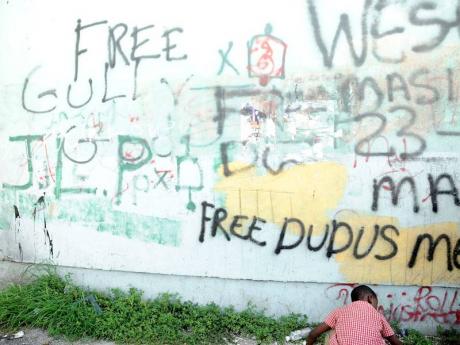
While Christopher 'Dudus' Coke awaits sentencing in New York City, Tivoli Gardens - the garrison from which his Shower Posse once operated - is still in the throes of an ambitious government project to reclaim the community from poverty and crime left over from the one-time don's unofficial reign.
The Jamaica Constabulary Force's (JCF) operation to reclaim Tivoli Gardens from organised crime, in the aftermath of the violent May 2010 operation to capture Coke, represents one of the most aggressive implementations of community policing in the nation's history.
Years of Coke's patronage to the community had given the don an intensely loyal following among some of Tivoli's residents, at the same time creating an atmosphere of dependency on the gangster which permeated the garrison.
Thus, even after the smoke had cleared from the May 2010 operation, the greater challenge of re-engaging Tivoli with the larger Jamaican community, and ensuring that the garrison did not relapse into violence or economic dependency on crime, remained.
Senior Superintendent James Forbes, head of the Community Safety and Security (CSS) branch of the JCF, was at the forefront of these initiatives.
Rebuilding relationship
After Tivoli Gardens had been cleared of Coke's gunmen, a group of carefully selected policemen began projects which sought to rebuild the community's relationship with the Jamaican Government. According to Forbes, the mandate of the police mission in Tivoli Gardens "was to be respectful, to be firm, to be compassionate, and to create hope" with the ultimate goal that a "partnership for decent social order would be established".
The select police team approached the challenge holistically; it worked to improve methods of communication between law enforcement and members of the community, it provided residents with access to vital social resources, and it sought to "assist [community members] with the healing process" through a series of workshops which brought members of law enforcement and residents of the community together. Through these channels, it was hoped that the Government might win the trust and buy-in of the community necessary to ensure its healthy reintegration into Jamaican society in the long term.
Forbes believes these measures have begun to bear fruit in Tivoli, but his confidence is not mirrored across the community itself.
Of the Tivoli residents reached for comment, none said they fully trusted the police.
One resident's disapproval went further.
"Mi want Dudus back," he shouted.
Some expressed outrage at reputed instances of police brutality in the community, taking issue especially with the intrusiveness of police raids into Tivoli homes.
Complex reality
Another resident suggested a more complex reality: "There are some good ones [police] and some bad ones. Some go to community service, but some use vengeance" against the community, carrying grievances from the 2010 conflict.
This qualified approach was also expressed by another resident who said that the change since May 2010 had been, on balance, "mostly good".
The story of the post-Dudus Tivoli Gardens is yet to be fully completed. However, if the police project in Tivoli Gardens is truly to become a success, it must be a success both in the eyes of the Government and of the garrison's residents. This means that the police must continue to actively engage the community's residents, must ensure that their conduct is consistent with Forbes' goal of firm compassion, and must avoid even the appearance of retaliation, lest attitudes of mistrust become a newly entrenched element of life in the garrison.