More work for Clive Hunt as he turns 74 today
Loading article...
-
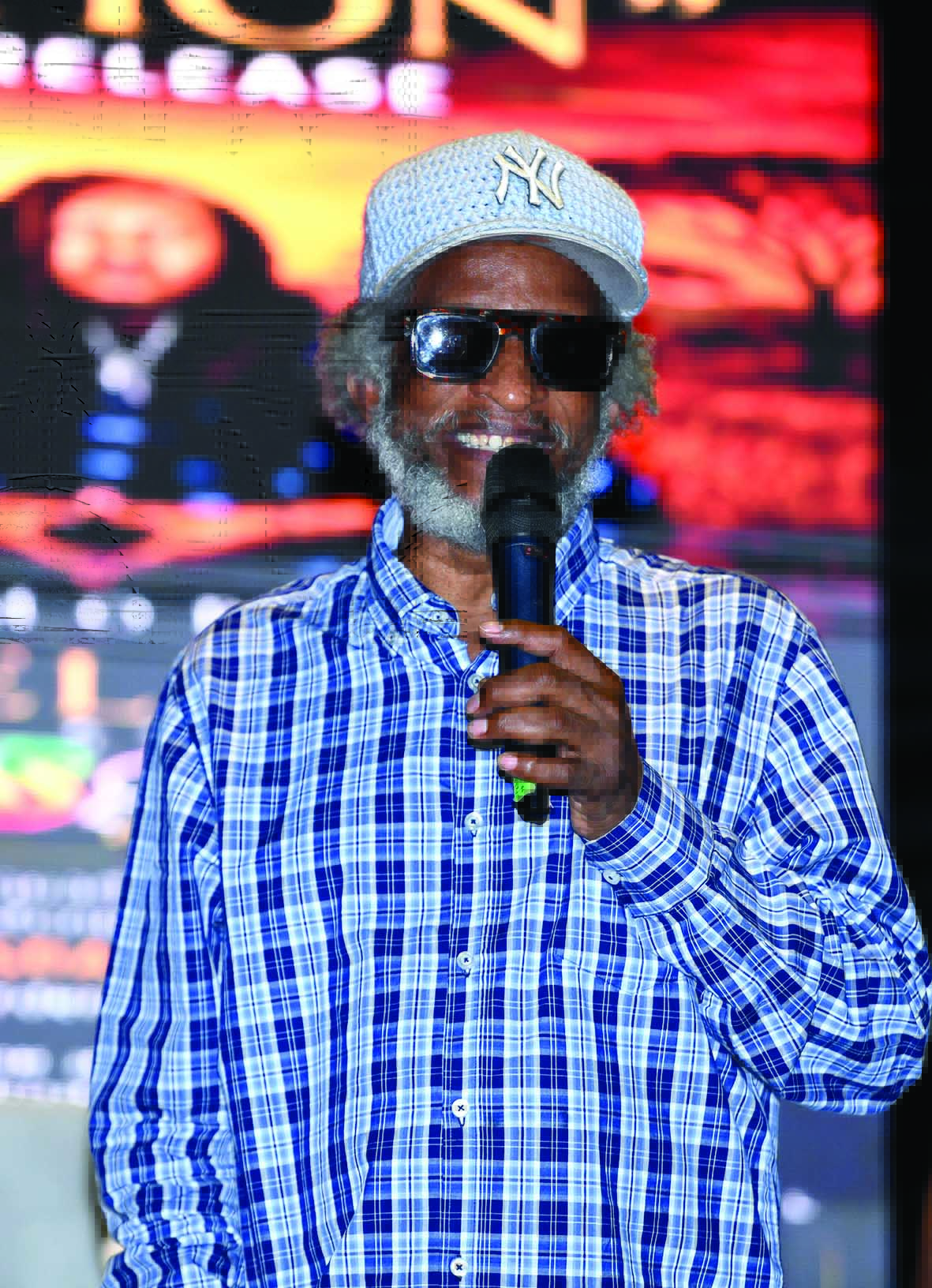
Clive Hunt has worked with the who’s who in the reggae music industry.
-
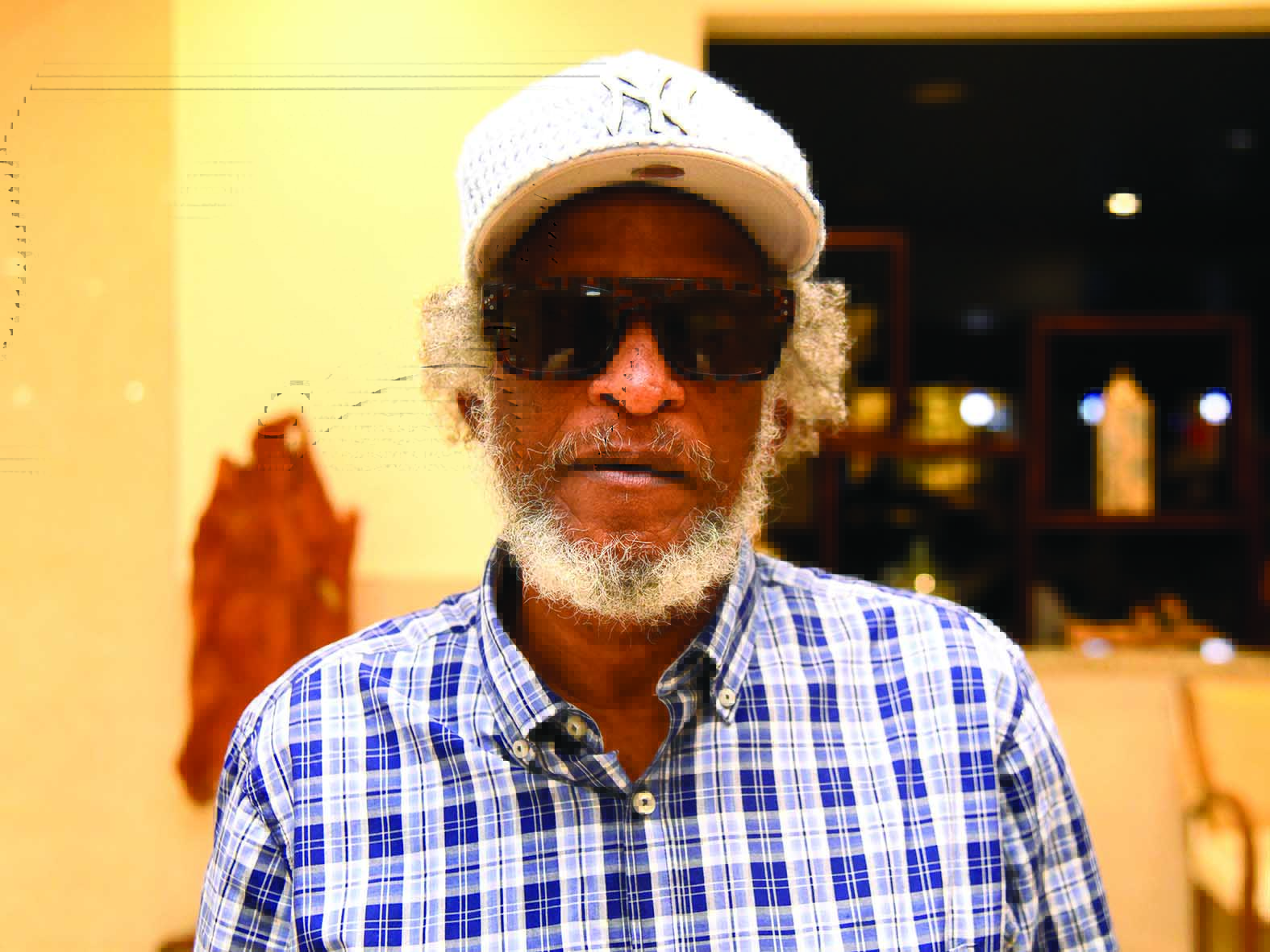
Veteran music producer and arranger, Clive Hunt.
People in music circles who are aware of exactly who Clive Hunt is readily acknowledge that he is "the man". However, Hunt, who celebrates his 74th birthday today, isn't obsessed with his own greatness; he simply wants to continue producing and arranging music for hopefully another decade, or close to it.
"I must be the oldest producer in the game," a smiling Hunt told The Sunday Gleaner.
"The only other producer I can think of who was doing it so long was Lee Scratch Perry ... but in the last 10 years of his life he wasn't really producing. Scratch was one of my main inspirations," he shared.
Hunt, whose most recent projects include Mortimer's Grammy-nominated album, just completed a project with singer, Samory I, whom he hails as the new generation of roots singers.
“We developed a really good working relationship. I'm happy to be there for him. I’d love to see the album really take him and our music across borders. Our music is very important … it needs people like him,” Hunt said.
“This is the first time I'm hearing this album out of the studio,” he told The Sunday Gleaner at the launch last Wednesday. “I don’t remember the songs I work on. I make music like a tailor makes shirts or a shoemaker make shoes. And so when they say to me ‘Remember this track?’ I say ‘I worked on that?”
Hunt, who has already been paid to do three projects after finishing work on Samory I’s Revelation album, shared that he gets work-related calls from as early as 3 a.m. every day.
"And it's all about music, especially now that my eyes are like this, it's more calls and calls from people from all over one to world, wanting to know the possibility of this and that.”
His "eyes like this" is a veiled reference to his loss of vision, owing to a degenerative eye disease, which he discovered when it was too late, and an almost freak accident which in a sense sealed his fate.
When he first visited the Cuban eye doctors a few years ago, Hunt was told that he had 14 per cent vision. Months later, that dropped to three per cent and the doctor gave him eye drops, with the instructions to return in three months’ time.
"I was using eye drops and one night I was at the studio with Beres [Hammond] and I told them I needed to use my eye drops. I took it out of my pocket and dropped in a few drops. I immediately screamed out, 'Water, water, water!' and they rushed me to the bathroom and flushed out my eyes," he recalled.
As it turned out, what he had thought was his eye drops was actually a treatment, in a similar bottle used, to kill nail fungus, and the main ingredient was acid. A visit to the doctor led to eye surgery.
“That just knocked the fight out of me. I'm a fighter ... everybody knows I am fire. I used to be anyway,” Hunt said.
He continued, “But I just have to keep living. I have to keep working, I'm active, still making good music. And every day, every time I sleep, I wake up my eyesight changes on me. All I see now is black and white. And trust me, it's terrible. When I go to bed, and I wake up, I don't remember that I am blind. And I'm like, what happened? And this happens every time I wake up,” Hunt said with no trace of self-pity.
GENERATIONAL IMPACT
Hunt recalled the early days in 1972 working with Jeffrey Chung, the Now Generation band, and that era of people, who brought him in the reggae music business officially, and doing his first session at Harry J Recording Studio.
"Lorna Bennett had the number-one song in England, Breakfast in Bed, and they were rushing to finish up the album. They had one more song and they asked for a horn player. I played trumpet, when I was in the army, so I went up there to do it and they asked me to go by the next day and I've been doing that until today.”
Among his many supporters is Headline Entertainment's Jerome Hamilton, who told The Sunday Gleaner, that he was honoured to know Hunt.
“The generational impact you have on this music and the level of artistes you have produced and made music for is the who's who of reggae music. People don't realise your legacy and that so many of the songs and music they hear daily you have impacted. I'm honoured to work with you and know you, Clive. Continue to make great music, my brother," Hamilton said.
Hunt, who was born on May 31, 1952 in Linstead, St. Catherine, started his musical journey by mastering the trumpet while attending Stony Hill School. At 17, he joined the 1st Battalion, The Jamaica Regiment Band, and also played with the Jamaica Philharmonic Orchestra. His interest in music theory and arranging, took him to study at the Royal Military School of Music, Kneller Hall, in the UK.
After leaving the service, Byron Lee recruited him for the Dragonaires, and he toured with them in North America. In the late 1970s, Hunt relocated to New York City and collaborated with Joe Gibbs and Lloyd Barnes. S ome of Hunt's notable productions include hits, such as Putting Up Resistance with Beres Hammond, I Can See Clearly Now for Jimmy Cliff, the Steely & Clevie remake of You Don't Love Me (No, No, No) with Dawn Penn, and his work with veteran rockers, the Rolling Stones.
Clive Hunt played a pivotal role as a producer for VP Records and Greensleeves Records, producing singles and albums that have left a lasting impact on the reggae scene. They include The Biggest Reggae On Drop Anthems 2015 (2015), We Remember Dennis Brown (2016), Blue Lizzard (2020), Bad Bad Bad (2020), and Rub-A-Dub Soul (2023).
His bio on iWelcom.tv states that Hunt’s best-known and most influential production from the golden era of reggae was the Abyssinians’ LP Satta Massa Ganna. He also did recordings with the Skatalites, Max Romeo, Pablo Moses, Bonnie Gayle and Sylford Walker. He played trumpet on Dennis Brown’s Spellbound LP and produced tracks for Brown’s 1981 A&M Records debut, Foul Play. He also recorded and arranged on key sessions at Lloyd Barnes’ Bullwackies outfit in New York in the late 1970s/early 1980s. and he appears prominently in the essential 1985 documentary film, Bullwackie. During this period he did the arrangements for Peter Tosh’s Mama Africa and Mystic Man LPs.
As he takes another journey around the sun, and his friends plan an intimate celebration for him, Clive Hunt is looking into the future.
“When I die, I don’t want to be on the list of ‘one of the Jamaican artistes slash whatever, who die penniless’. And I think I'm always on the verge of that and it bothers me. It never used to bother me. But now it does,” he said.
yasmine.peru@gleanerjm.com