Jamaica Customs eyes drone patrols as illicit trade robs nation of $26 billion
Loading article...
-
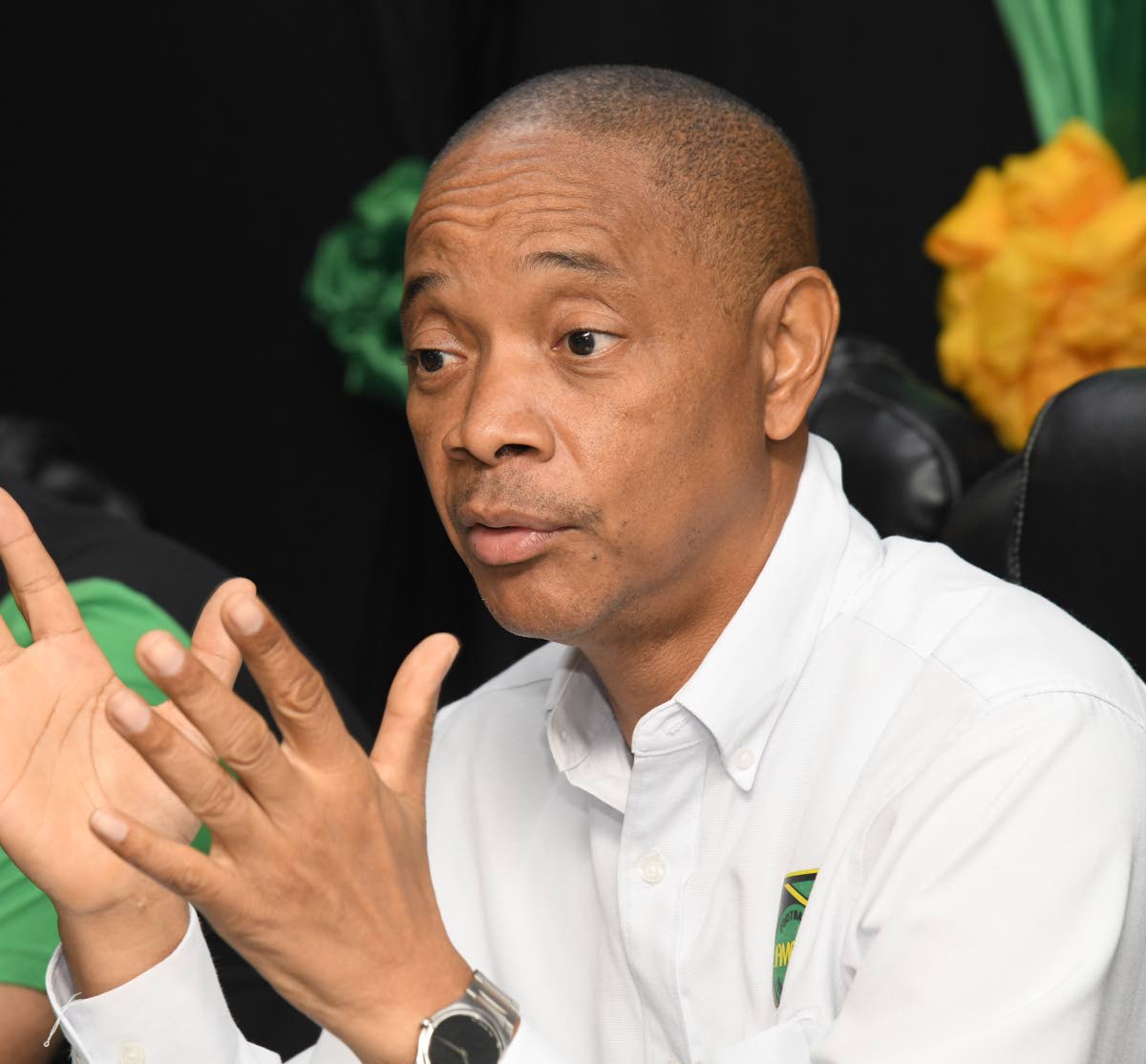 Dennis Chung Chief Technical Director at the Financial Investigations Division.
-
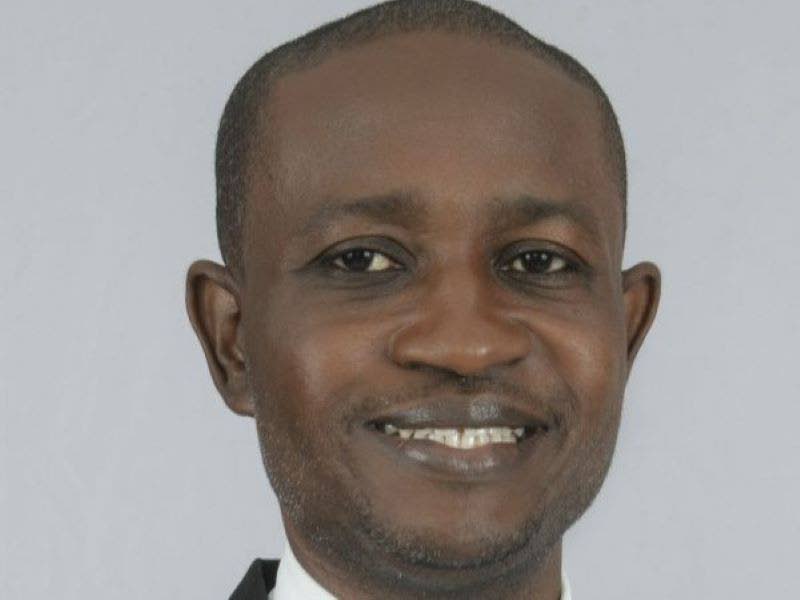 Kirk Benjamin, acting Chief Executive Officer, Jamaica Customs Agency.
-
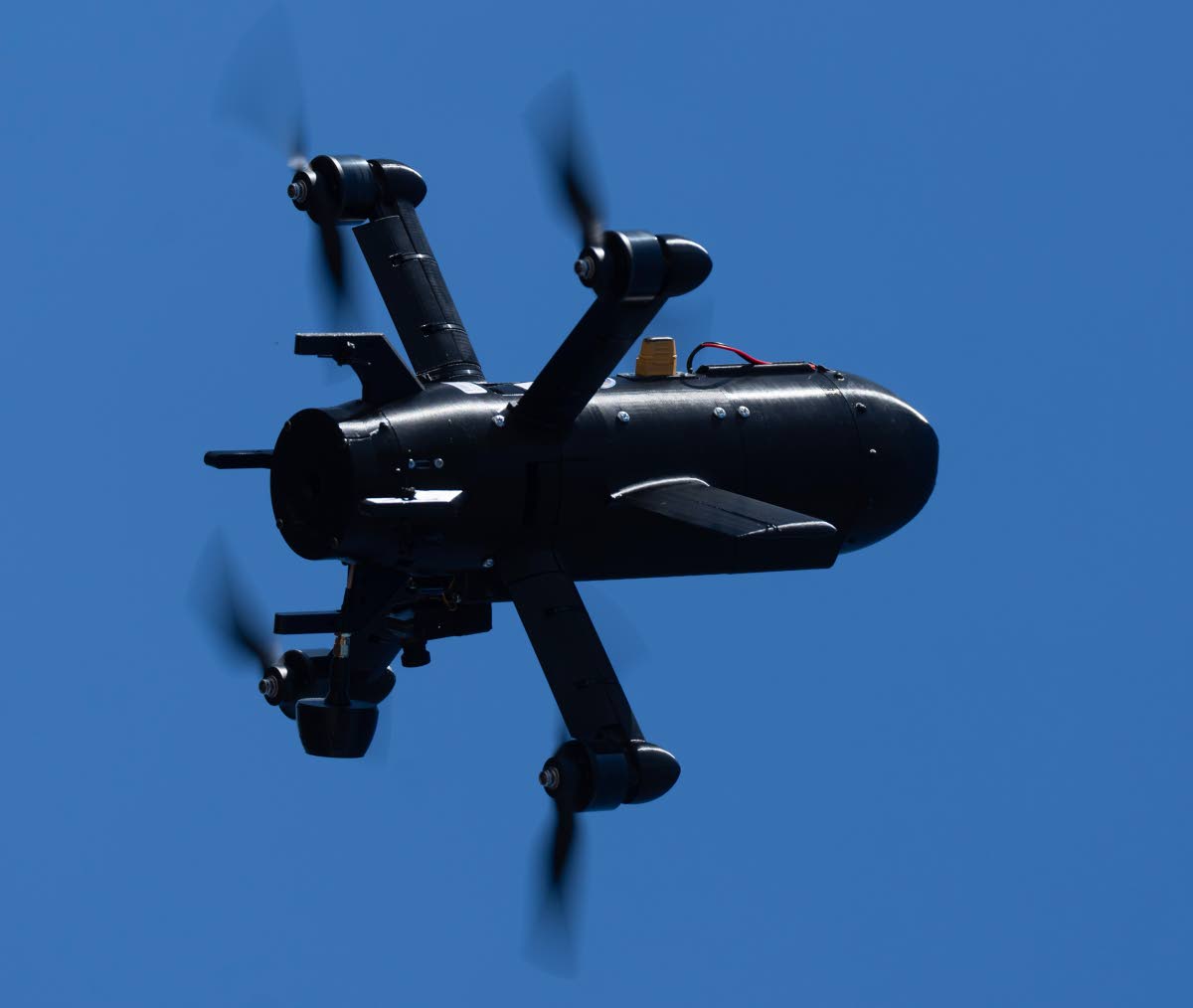 A Russian drone.
-
 International Monetary Fund (IMF) Managing Director Kristalina Georgieva.
Jamaica Customs Agency is considering setting up a dedicated drone unit to patrol the island’s ports and coastline amid the country losing more than $26 billion annually in tax and excise revenue to illicit trade.
Acting Commissioner of Customs Kirk Benjamin said it was part of a broader modernisation drive.
“We are using advanced technology such as non-intrusive inspection, canine, and data analytics … . We have gotten several dogs. We’re sniffing for, among other things, drugs and money…we can’t say everything that we’re doing, but rest assured that we are moving aggressively in that area, and we’re actively looking at a potential establishment of a drone unit so that we can patrol via drone without actually risking the lives of anyone,” he told the forum.
The disclosure came at the second annual Anti-Illicit Trade Forum, staged by the Jamaica Chamber of Commerce (JCC) at the AC Hotel in Kingston on Wednesday, April 22, where Minister of Industry, Investment and Commerce Senator Aubyn Hill revealed the $26 billion revenue figure before some 80 representatives of the private and public sectors, according to a JCC release.
The haemorrhage spans cigarettes, alcohol, clothing, footwear, pharmaceuticals – including sexual enhancers and weight-loss products – and fuel. The scale of the cigarette problem alone has accelerated sharply: whereas in 2024 there were seven illicit brands identified in normal distribution channels, that number climbed to 17 within a single year, Hill said.
Customs agencies in several countries already use drone surveillance. US Customs and Border Protection has operated General Atomics MQ-9 Predator B drones along its southern border for over a decade, providing long-range surveillance of remote terrain. The UK’s Border Force uses smaller commercial drones for port surveillance and maritime patrol. In the Caribbean, Trinidad and Tobago’s Coast Guard has trialled drone units for offshore monitoring. Compact multirotor drones such as the DJI Matrice series are widely used by law enforcement globally. They are capable of thermal imaging, night operations, and real-time video feeds.
Benjamin said the JCA was paying particular attention to those unregulated smaller ports, which he identified as a significant vulnerability in the island’s border control architecture.
Chief Technical Director of the Financial Investigations Division (FID) Dennis Chung said the illicit trade was resulting in a drag on Jamaica’s gross domestic product of about $15.5 billion to $24.8 billion a year, or 0.5 to 0.8 per cent of GDP. He said the FID, along with the JCA, the police, the Major Organised Crime and Anti-Corruption Agency, and the Tax Authority of Jamaica, were working behind the scenes to attack the profit centres of organised crime.
“Illicit trade isn’t just a Customs issue. It is a significant financial threat not just to businesses but the economy and our future,” Chung said.
The forum also heard from Daniel Rico of C-Analisis, who presented on large-scale smuggling and money-laundering risks, using case studies illustrating complex networks stretching from Latin America through Asia and the Caribbean, including the use of financial institutions to launder and move multiple millions of dollars.
Benjamin revealed that in 2025, Jamaica Customs seized 10 million sticks of cigarettes with a street value of over $690 million. Studies from Carreras Limited suggest that the underground market for cigarettes represents one-third of the legitimate market. With $9.7 billion collected from cigarette duties last year, that implies that more than $3 billion was being lost in revenue from uncustomed cigarettes alone.
Other seizures last year included $87 million in counterfeit footwear, $24 million in counterfeit bags, $9 million in clothing, $3.8 million in alcohol, and 356 illegal firearms with 35,000 rounds of ammunition.
Benjamin said popular local brands were not immune. “People send to China to knock off Bridget Sandals and import them to Jamaica,” he said.
Noting that illicit trade creates an uneven playing field on which legitimate businesses are unable to compete, Chung said the country’s tax burden is being borne by just 60 per cent of businesses. Hill concluded that it was in the self-interest of the private sector to invest in supply chain integrity and collaborate with public-sector agencies, warning that the economic gains recorded in recent years were not self-sustaining without a serious attack on the illicit trade ecosystem.
luke.douglas@gleanerjm.com