Oran Hall | Making sense of high interest rates
Loading article...
-

Bank of Jamaica Governor Richard Byles
-
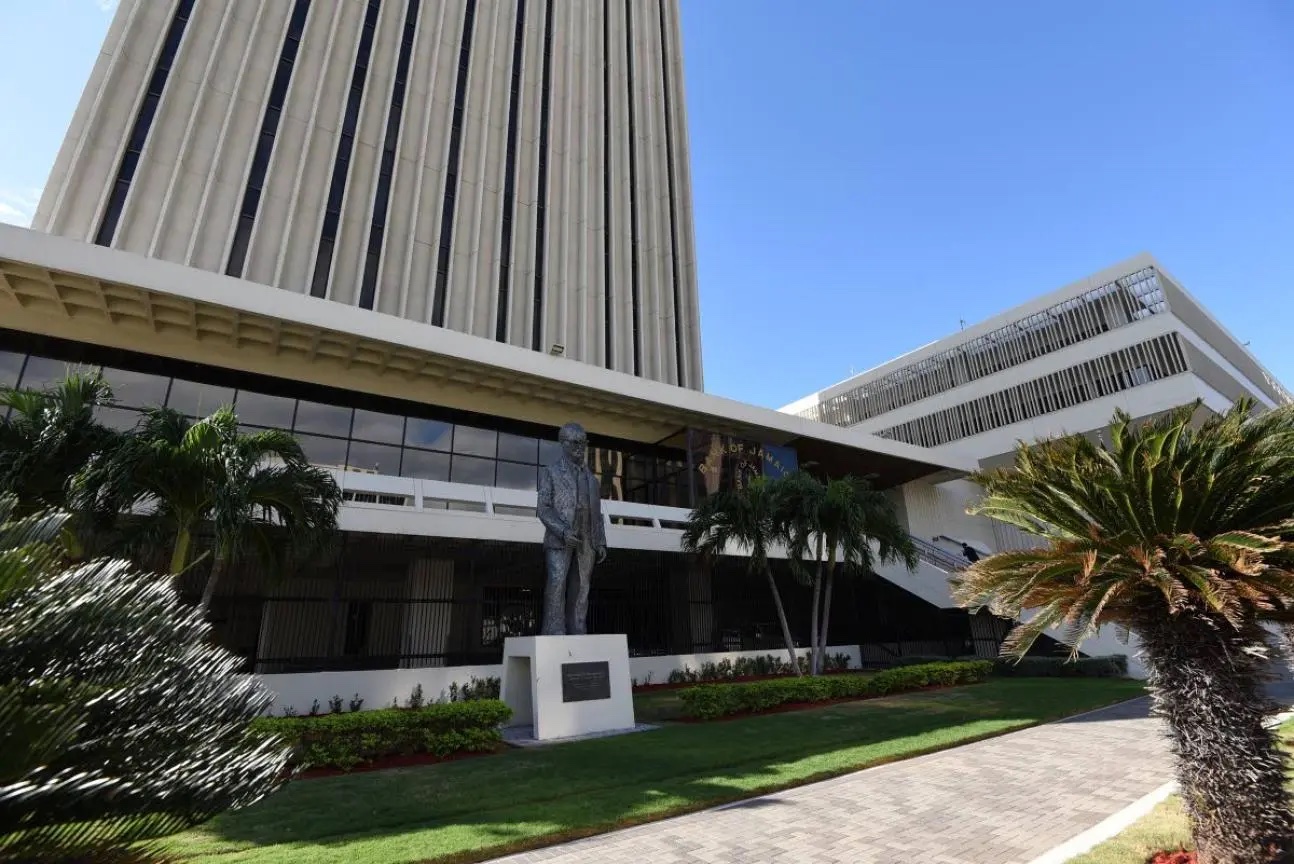
Bank of Jamaica (BOJ) Governor Richard Byles is not happy that the commercial banks have not ‘received the memo’ about reducing lending rates, consistent with the lowering of the central bank's policy rate. He recognises that current rates cannot benefit consumers, business and the economy the way lower rates can.
Lending rates are just one set of interest rates which, overall, affect savings, consumption, investment by businesses and individuals, the exchange rate, and economic performance. They are relevant in even a general discussion on high interest rates because of the generally wide gap between them and other interest rates. These rates have a material impact on consumers in an economy that recorded inflation of 4.3 per cent over 12 months to April 2026.
When interest rates are high, bond yields are also high, thus being beneficial to corporate investors like insurance companies, pension funds and unit trusts, and individual bond investors. Variable-rate instruments are particularly attractive to investors, especially when rates are increasing. Although fixed-rate instruments may pay good interest, in an environment in which rates are increasing, they are locked into the initial rate and their prices fall as rates increase. Nonetheless, bondholders suffer no loss if they hold the instruments to maturity.
Short-term, interest-bearing instruments, like repurchase agreements (repos), also give higher yields, as do Bank of Jamaica Treasury bills, making money market instruments even more attractive for parking emergency funds.
When corporate and government bond yields increase, the stock market tends to become less attractive to some investors, thus leading to lower demand for stocks and declining stock prices, which has a negative effect on the portfolios of individuals and institutions.
High interest rates affect borrowing costs. Consumers find it more difficult to buy consumer durables and other items on credit as hire purchase rates and the lending rates of commercial lending institutions like banks increase. Mortgages also cost more, thus making it more difficult for home ownership, even with joint mortgages with the National Housing Trust. Consumers dependent on credit card debt risk falling deeper into debt, as do those dependent on other forms of debt.
The prudent response is to reduce consumption, which means lower sales for businesses. Lower sales mean lower profits for the suppliers of goods and services. Additionally, high lending rates make it more costly to do business for those that depend on loans to operate, thus putting more pressure on profit margins.
If the affected companies are listed on the stock exchange, lower profitability would generally make them less attractive to investors, leading to lower demand and lower prices for stocks, which weakens the stock market as funds flow into the fixed-income market.
High lending rates also affect the lending institutions for, as loans become less affordable and demand falls, profits tend to fall.
When government borrows at high interest rates, its most likely response is to raise taxes to pay the interest to lenders. Higher taxes mean lower disposable income, leading to lower consumption and lower investment by individuals.
High interest rates can be a blessing to the exchange rate, as local investors have less incentive to seek opportunities abroad to earn more interest on their funds. This makes it less necessary to demand foreign exchange to participate in the financial markets abroad, thus protecting the value of the local currency. And, on the other hand, funds may flow in from abroad to capitalise on the higher rates.
High interest rates can work to the benefit of the country, to the extent that they lead to lower demand due to lower disposable income, and eventually to lower inflation. Nonetheless, they can affect the economy in several negative ways if they remain too high for too long. Lower demand for goods and services may lead to lower economic growth, increased unemployment, lower tax intake by the government, and higher debt-servicing charges to the government.
From a personal financial point of view, there are ways to confront high interest rates. One is to prioritise debt reduction. Pay down high-interest, variable-rate debt to avoid compounding costs. Make slashing credit card debt the priority. Try to consolidate variable-rate debt into lower fixed-rate loans and avoid variable-rate debt.
Boost savings yields by shifting short-term funds to high-yielding money market instruments and accounts. Opt for certificates of deposit over low-yielding savings accounts. Taking time to learn about the available instruments can be beneficial.
Manage spending by shopping around for the best rates and adjust the budget if borrowing is absolutely necessary. Pay bills on time to avoid penalties, especially the penalty of a lower credit score.
Go for short-term, interest-bearing securities when rates are rising and lock into longer-term instruments as soon as rates settle. If it seems that rates are set to fall, now is the time to commit to longer-term, interest-bearing debt instruments in a balanced investment portfolio.
High interest rates can impair people's ability to achieve important life goals, but they are achievable — perhaps with a delay — by stricter budgeting, earning more from the higher interest rates, shopping around aggressively for the best rates, and reorganising priorities.
Oran A Hall, author of Understanding Investments and principal author of The Handbook of Personal Financial Planning, offers personal financial planning advice and counsel. Email: finviser.jm@gmail.com