Xinyu Addae-Lee | From hope to action
Loading article...
-
 Representational image of a family having lunch.
-
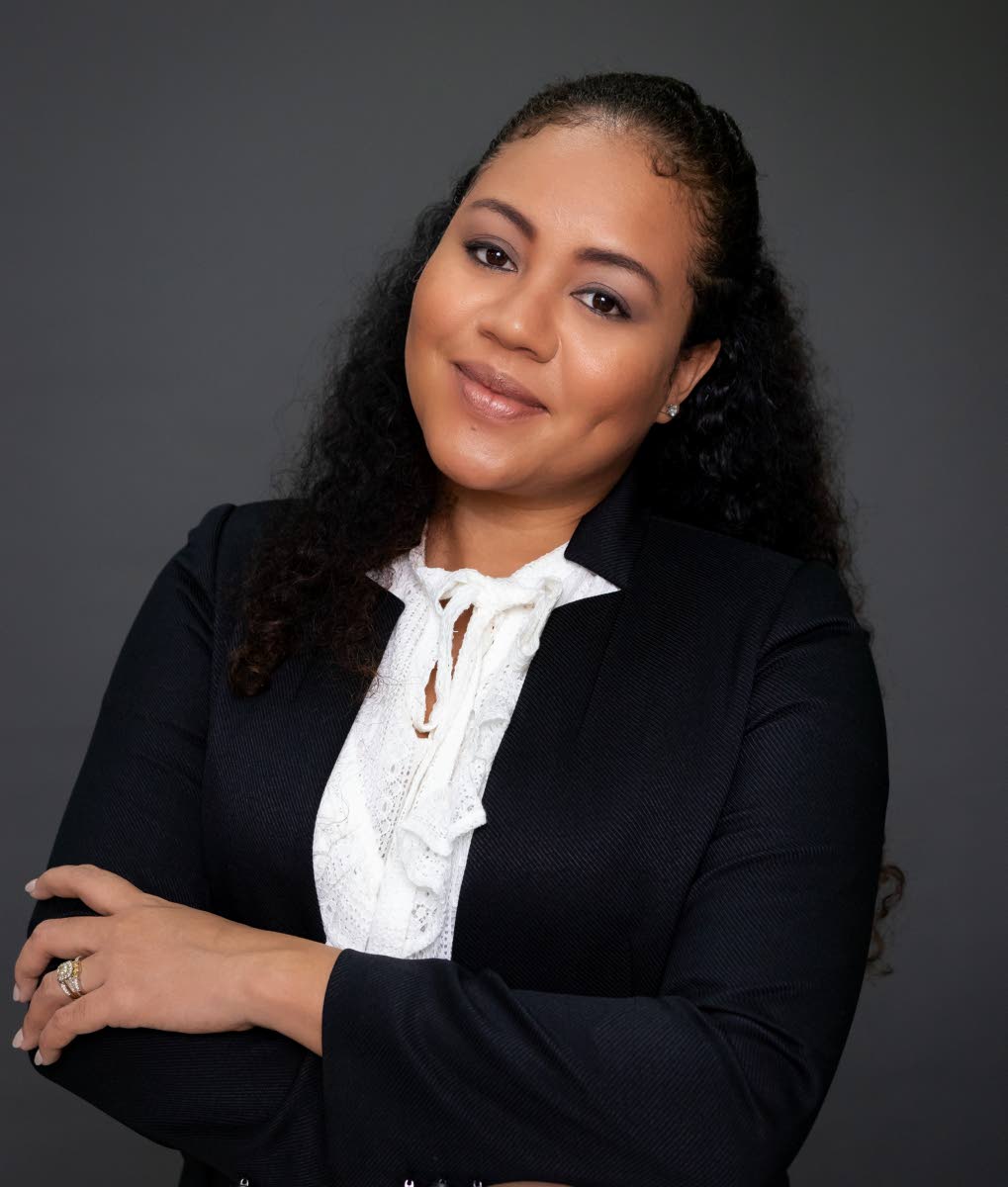 Xinyu Addae-Lee
On February 9, Children of Shanghai was screened in partnership with Care for Children, the Child Protection and Family Services Agency (CPFSA), and the Ministry of Education, Skills, Youth and Information (MOESYI) as part of Foster Care Week. The documentary is more than a film—it is a case study in what becomes possible when political will, competent administration, and specialised private expertise align around one goal: getting children into families.
The forum highlighted how collaboration between the Chinese Government and a private charity resulted in more than one million children being placed into foster families. The transformation was not abstract. It translated into measurable improvements in educational attainment, emotional development, physical health, and long-term social integration. For many in attendance, hope felt tangible.
That hope was reinforced when the Permanent Secretary of the Ministry of MOESYI spoke with genuine energy and shared that the Minister herself is a foster mother. It signalled that leadership understands the issue not only in theory but through lived experience. However, as the discussion opened to questions, optimism gave way to concern.
Questions from attendees sought clarity on how Jamaica might replicate — or at least approximate — this model of success. They revealed frustrations among those involved in the adoption board and foster care facilitation. Of particular concern was the defence of maintaining foster care and adoption as entirely separate systems by Laurette Admas-Thomas, CEO of the CPFSA.
The rationale offered was that allowing foster parents to adopt could “skip the line” for individuals on the adoption waiting list. While framed as procedural fairness, such reasoning reflects a bureaucratic rigidity that risks disadvantaging the very children the system exists to protect. To her credit, the CEO closed by assuring the audience that whatever needed to be done in the best interest of the child would be done.
TROUBLING
Yet the absence of visible urgency remains troubling. Children do not experience their lives in administrative categories. A child who has bonded with a foster family — who has found safety, routine, and love — should not be held hostage by process in the name of procedural symmetry. When systems prioritise queues over outcomes, children pay the price. Modern child-protection frameworks are designed precisely to avoid such harm by placing the child’s best interest above institutional convenience.
In contrast, the CEO of Care for Children offered a candid and refreshing perspective. He acknowledged institutional weaknesses, including governments’ frequent inability to effectively market foster care and adoption, and emphasised the need to allow those with proven expertise to lead in areas outside the State’s core competence. That honesty is a defining feature of why their model has succeeded at scale.
Jamaica does not lack compassion. It lacks agility. It does not lack good intentions; it lacks execution at scale. For years, rhetoric has outpaced results. Children remain in institutional care while aspiring foster and adoptive parents navigate frustration. Leadership must recognise that the current framework, however well-intentioned, is not delivering outcomes at the speed children require. Political terms are finite. Reform cannot be deferred to a future administration.
There is precedent for decisive action. When the Ministry of Health moved to address the elective surgery backlog, it did not merely acknowledge the problem — it implemented a targeted intervention. At one stage, more than 6,000 elective procedures were delayed across public hospitals, including hernia repairs, hysterectomies, cataract and pterygium removals, and prostate surgeries.
Through the Code Care project, private facilities were enlisted, operating hours were extended to evenings and weekends, and surgical teams were compensated to accelerate throughput. By May 2024, 1,588 surgeries — approximately 75 per cent of the targeted 2,000 procedures — had been completed under the initiative, bringing relief to hundreds of Jamaicans who had endured long waits. The programme was not universally applauded, but it delivered measurable results. The same urgency can — and must — be applied to children languishing in state care.
SPECIFICITY
Moving from aspiration to action requires specificity. Jamaica must set a clear, measurable target for 2026, grounded in the realities highlighted in CAPRI’s The Home Advantage report. A credible target should commit to reducing the number of children in institutional or prolonged state care by a defined percentage, while simultaneously increasing the number of registered and active foster families. Targets focus attention. They compel prioritisation. Most importantly, they create accountability.
According to figures shared by the CPFSA, of the 4,406 children currently in state care, 1,729 remain in children’s homes and places of safety. This is not an insurmountable number. With focused strategy, transparent metrics, and the right partnerships, every one of these children could transition into family-based care. Achieving this, however, requires scaling recruitment, communication, and public engagement in a way that the current system has struggled to accomplish.
That is where humility and realism must guide reform. Marketing, behavioural change campaigns, and sustained public engagement are not traditional strengths of state bureaucracies. This is not an indictment; it is an institutional reality. The logical response is to engage a private agency with proven expertise in strategic communication and trust-building to lead a national foster care recruitment drive under a structured public-private partnership. The State would retain oversight and child-protection authority, but outreach and engagement would benefit from specialised competence.
The objective must remain unequivocally child-centred: move children into safe, stable, loving families they can call their own — not someday, not eventually, but within a defined and shrinking timeframe. Every additional year in state care is not merely administrative delay; it is lost childhood.
If reform is to be meaningful, Jamaica cannot continue recycling familiar conversations, repeating justifications, and leaving children waiting. A clearly defined 2026 target, anchored in data and supported by strategic partnerships, would mark a decisive shift from discussion to delivery.
Good intentions are not outcomes. Policies are not placements. Committees are not families. The measure of reform will not be how often foster care is discussed, but how many children sleep each night in the security of a home. If children truly come first, then 2026 must not be another year of dialogue — it must be a year of results.
Dr Xinyu Addae-Lee is a medical doctor and attorney-at-law. Send feedback to reply@consultthedoc.com and columns@gleanerjm.com