Steve Sider and Kishi Anderson Leachman | Gatekeepers of inclusion and the invisible padlocks
Loading article...
-
 Representational photo of school children in a class.
-
 Steve Sider
-
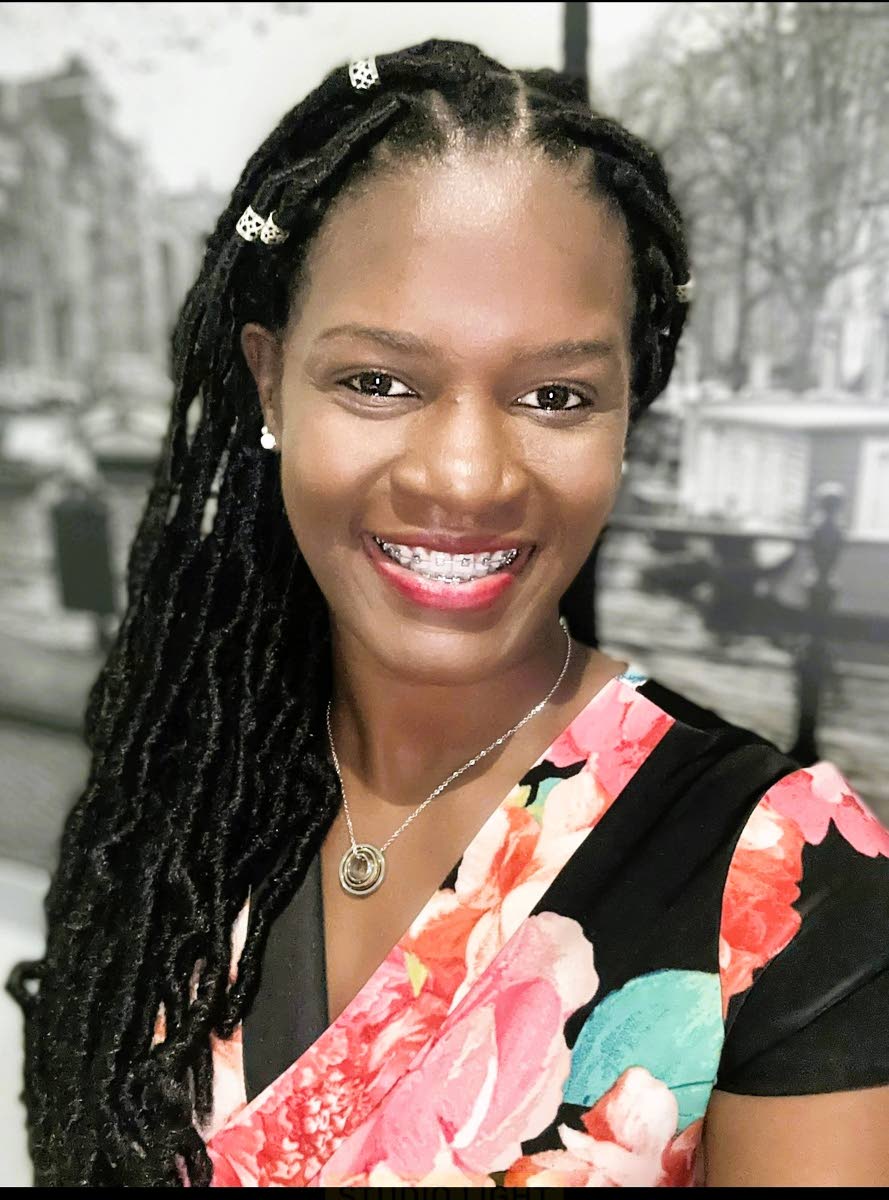 Kishi Anderson Leachman
Across the Caribbean, access is often negotiated through unspoken rules – how one looks, speaks, or is perceived within social hierarchies shaped by class, colour, and privilege. Those who do not appear to “belong” are frequently questioned, delayed, or denied entry altogether. These practices function as invisible padlocks, quietly reinforcing exclusion while maintaining the illusion of openness.
This same dynamic plays out in education systems across the region, particularly in how children with disabilities and/or special educational needs access schooling and support. While doors may appear open, many students encounter barriers that restrict meaningful participation. The question remains: who decides which children enter our schools fully and which are kept on the margins? If the Caribbean is to pursue sustainable development, these invisible padlocks must be identified, challenged, and removed.
GATEKEEPERS
In the region, the gatekeepers of inclusion include policymakers, ministries of education, school leaders, teachers, parents, community members, and even peers. These groups are entrusted with ensuring equitable access to quality education for all children, including those with disabilities. Too often, however, they become part of the barrier. At the policy level, inclusion is widely endorsed in principle but weakly implemented in practice. Fragmented legislation, poor coordination across ministries, inadequate funding, and continued reliance on special or segregated schools limit meaningful access. In many territories, disability is still viewed through a medical or charitable lens rather than as a matter of human rights.
Within schools, teachers frequently lack the training, classroom support, and resources needed to meet diverse learning needs. Negative attitudes and low expectations – often rooted in cultural beliefs about disability – persist among educators and students alike. The result is exclusion within mainstream schools, where children with disabilities may be present but remain academically and socially isolated.
Parents, confronted by stigma and systemic neglect, often become reluctant gatekeepers themselves. Concern for their children’s safety, dignity, and emotional well-being leads some families to restrict school attendance or accept inadequate provision. While challenges within families may exist, the greater responsibility lies with education systems that fail to create welcoming, supportive environments.
Removing these invisible padlocks matters. Every Caribbean child has the right to an education that supports dignity, belonging, and opportunity. Access without support is not inclusion. Denying children with disabilities equitable education undermines individual potential and regional development, contradicting national development visions and international commitments such as the United Nations Convention on the Rights of Persons with Disabilities (CRPD)and Sustainable Development Goal (SDG) 4, inclusive and equitable education. With the 2030 target for the SDGs fast approaching, incremental change is no longer enough.
POLICY PATHWAYS
To dismantle invisible padlocks and advance sustainable inclusion, Caribbean governments must move from promises to purposeful action. Too often, inclusive education exists in policy documents but fails in practice. Governments must enact and enforce legislation that guarantees inclusive education as a legal right, aligned with the CRPD. This requires clear standards, realistic timelines, and firm accountability measures. Inclusion must also be embedded within national education plans, development strategies, and budgets, rather than treated as an optional programme or pilot project.
Adequate funding is critical. Ministries of education should allocate protected funding for inclusive education to support assistive technologies, classroom aides, accessible infrastructure, and specialist services. Equally important is teacher preparation. Pre-service and in-service training programmes must equip educators with the skills and confidence to support diverse learners, with teacher certification standards aligned to inclusive practice.
Sound policy must be guided by reliable data. Governments should strengthen Education Management Information Systems to track the access, retention, and outcomes of students with disabilities. Inclusive education also demands coordination across education, health, and social protection sectors, supported by regional collaboration through CARICOM and the Organisation of Eastern Caribbean States. Finally, the region must shift away from segregated schooling by transforming special schools into resource centres and supporting school leaders in ensuring inclusive and equitable outcomes for all students.
Removing invisible padlocks in Caribbean education systems is not simply a moral obligation – it is a strategic investment in regional resilience and sustainability. True inclusion requires gatekeepers to shift from controlling access to cultivating belonging, ensuring that every child is recognised not as a burden, but as a vital contributor to the Caribbean’s future.
Dr Kishi Anderson Leachman is an assistant professor in Inclusive Education at the University of Winnipeg, Canada. Dr Steve Sider is a professor in the Faculty of Education, Wilfrid Laurier University, Waterloo, Canada. Send feedback to columns@gleanerjm.com