SSP Diaries | A dark side to sports and politics
Loading article...
-
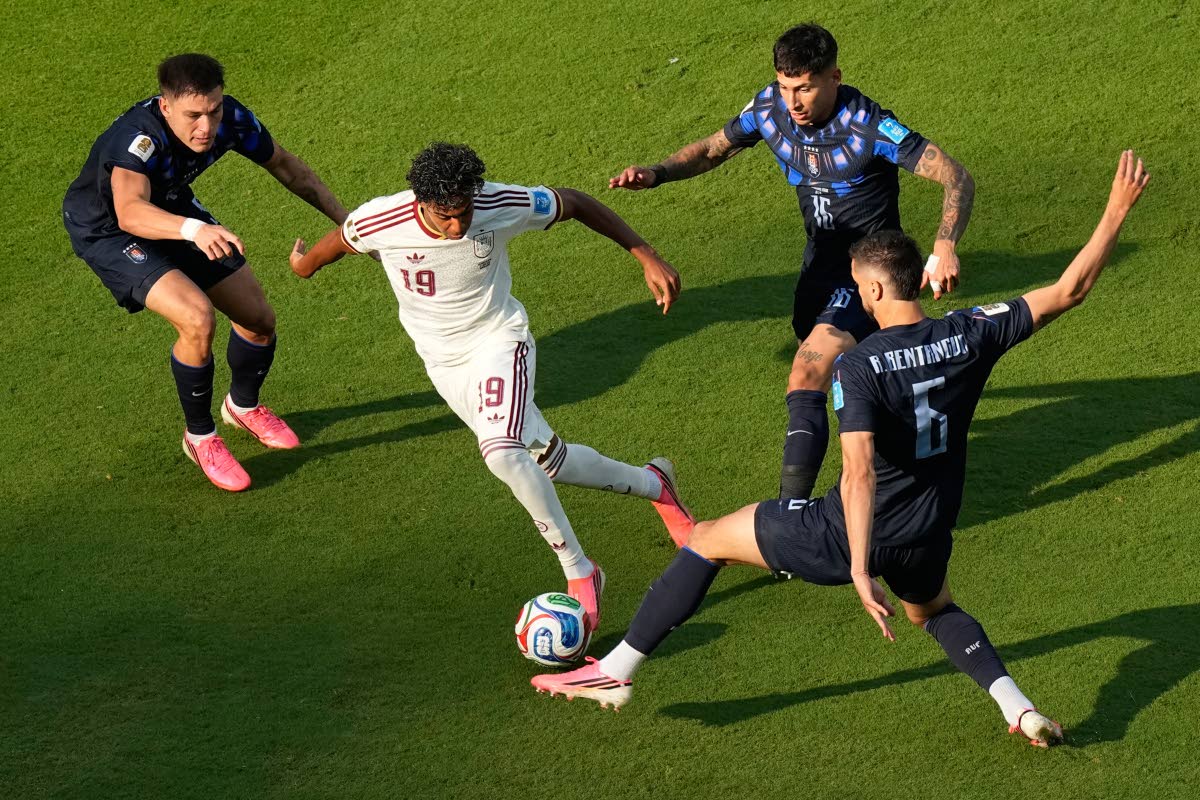 Spain’s Lamine Yamal (19) controls the ball against Uruguay’s Mathias Olivera (16), Rodrigo Bentancur (6) and Manuel Ugarte (5) during the World Cup Group H soccer match between Uruguay and Spain in Zapopan, near Guadalajara, Mexico, Friday, June 26, 2026. (AP Photo)
-
Spain’s Lamine Yamal (19) controls the ball against Uruguay’s Mathias Olivera (16), Rodrigo Bentancur (6) and Manuel Ugarte (5) during the World Cup Group H soccer match between Uruguay and Spain in Zapopan, near Guadalajara, Mexico, Friday, June 26, 2026. (AP Photo)
-
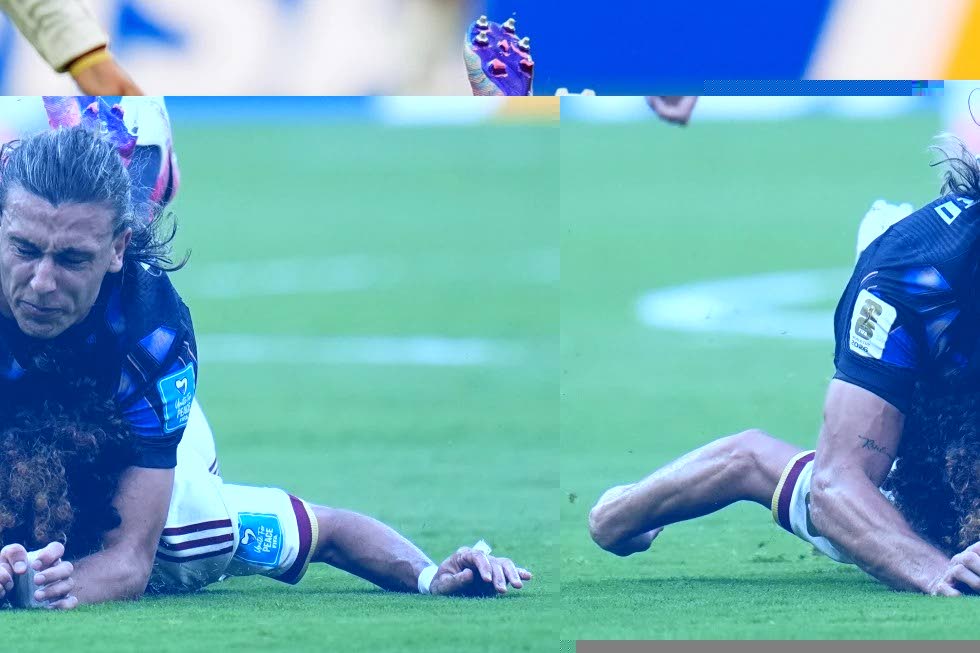 Uruguay’s Agustin Canobbio, up, challenges for the ball with Spain’s Marc Cucurella during the World Cup Group H soccer match between Uruguay and Spain in Zapopan, near Guadalajara, Mexico, Friday, June 26, 2026.
The 2026 World Cup has not yet finished, but its first round has concluded. On Friday last, Spain sent their opponents crashing out of the event with a 1–0 victory over Uruguay, one of the few nations to have won this prestigious tournament. For the losers, it was a sad moment, as it is for any team that does not make it beyond this initial stage, and we can all appreciate how disappointed the players must have been after many months of preparation.
What happened next, however, is beyond words. The team management is alleged to have cancelled the previously chartered flight arrangements for the team’s return home, citing the decision as punishment for its poor performance. This type of action, if true, is despicable, to say the least. Nations with sports representation at the international level are not expected to treat their representatives in such a poor manner.
There can be only one winner and, in the interest of true sportsmanship, which recognises the efforts of individuals and teams representing their country, much better treatment is expected _ and, I dare say, demanded _ than that reported in the media concerning the Uruguayan football team. At the very least, a poor decision of that nature, made by the team’s management, should have been immediately reversed by the government of Uruguay. Doing so would have restored the players’ dignity while setting the tone for future World Cup campaigns. This will go down as a very poor display of sportsmanship in Uruguay’s history.
THE USA’S DENIAL OF ENTRY TO A FIFA OFFICIAL
On June 6, 2026, FIFA referee Omar Artan was denied entry into the USA, where he had been sent by football’s world governing body to officiate at 2026 World Cup fixtures. It is alleged that US Border Security officials prevented his entry and even revoked his visa, citing vetting concerns and alleged associations with suspected terrorist groups. He is also alleged to have undergone an 11-hour interview before being deemed inadmissible, and returned to Somalia immediately thereafter.
The treatment of Artan begs several questions. Isn’t FIFA required to submit the particulars of officials assigned to tournaments to the host countries before their arrival? If this is the procedure and it was followed, why did the host country wait until the official arrived before turning him back? Having applied for individuals to officiate, isn’t it incumbent upon FIFA to obtain a definitive determination from host countries regarding whether such persons will be allowed to carry out their duties?
Did FIFA protest the actions of the USA’s Border Control officials, or merely accept the scant regard with which Artan was treated? Is FIFA aware of, and mindful of, the damage caused to football on a global scale by its actions _ or lack thereof _ in relation to this incident?
In my humble opinion, the darker side of USA-Somalia relations may have played a role here, resulting in the world being deprived of the services and talents of one of its finest referees from Africa. An opportunity to perform his lawful duties on football’s biggest stage was denied for reasons that remain unexplained. FIFA needs to pull up its socks and ensure that such incidents do not occur in the future, whether at this level or any other.
THE UK’S INEVITABLE UPHEAVAL
On June 22, 2026, Sir Keir Starmer announced his resignation as leader of the UK’s Labour Party and as prime minister, after serving for just under two years. He had been under enormous pressure from the day he was sworn in, and the fact that he lasted so long under the circumstances, within the British political system, is nothing short of remarkable.
Starmer weathered criticism from both within and outside his party. One is not overly concerned about criticism raised by his own people in the course of the lawful political process. Such criticism is both acceptable and necessary in any democracy.
In my opinion, domestic dissatisfaction was compounded by public criticism of his tenure as prime minister from external figures, including world leaders such as President Trump and billionaires such as Elon Musk, largely because they could not persuade the UK to acquiesce to their wishes. This is typical of a pattern seen throughout the history of US politics, particularly in Central and South America, but it now appears to be extending even to one of America’s closest allies, the UK.
Criticism of the UK’s internal affairs, personal insults, and the spreading of misinformation were among the tactics employed by outsiders. Such actions would undoubtedly have weighed heavily on the minds of British citizens and their government. Although there is no evidence to suggest that this alone caused Starmer’s downfall, one may reasonably conclude that it could have contributed in some measure.
Today, Starmer is out, and the heir-apparent, Andy Burnham, appears poised to replace him. One can only hope that he does not suffer the same fate as his predecessor and that he is able to provide the UK with strong and stable democratic governance going forward.
Interference in the affairs of foreign states is unacceptable. The UK’s experiences, however, continue to teach the world valuable lessons: there is honour and dignity in stepping down when one has erred or has lost favour.
Send feedback to columns@gleanerjm.com