Dalila Gonçalves/Nahuel Arenas | Investing in resilient infrastructure:
Loading article...
-
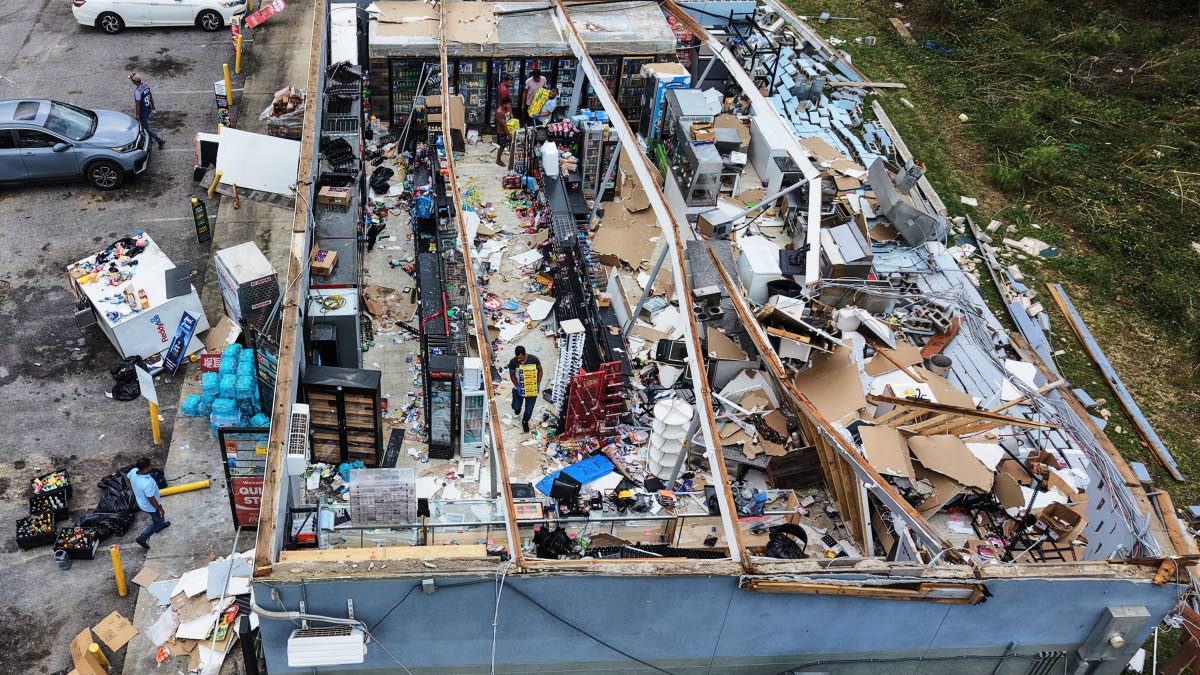 People salvage the contents of their destroyed mini mart in the aftermath of Hurricane Isaias in Milton, Florida, Saturday, October 10, 2026. Photo - Gerald Herbert
-
People salvage the contents of their destroyed mini mart in the aftermath of Hurricane Isaias in Milton, Florida, Saturday, October 10, 2026. Photo - Gerald Herbert
-
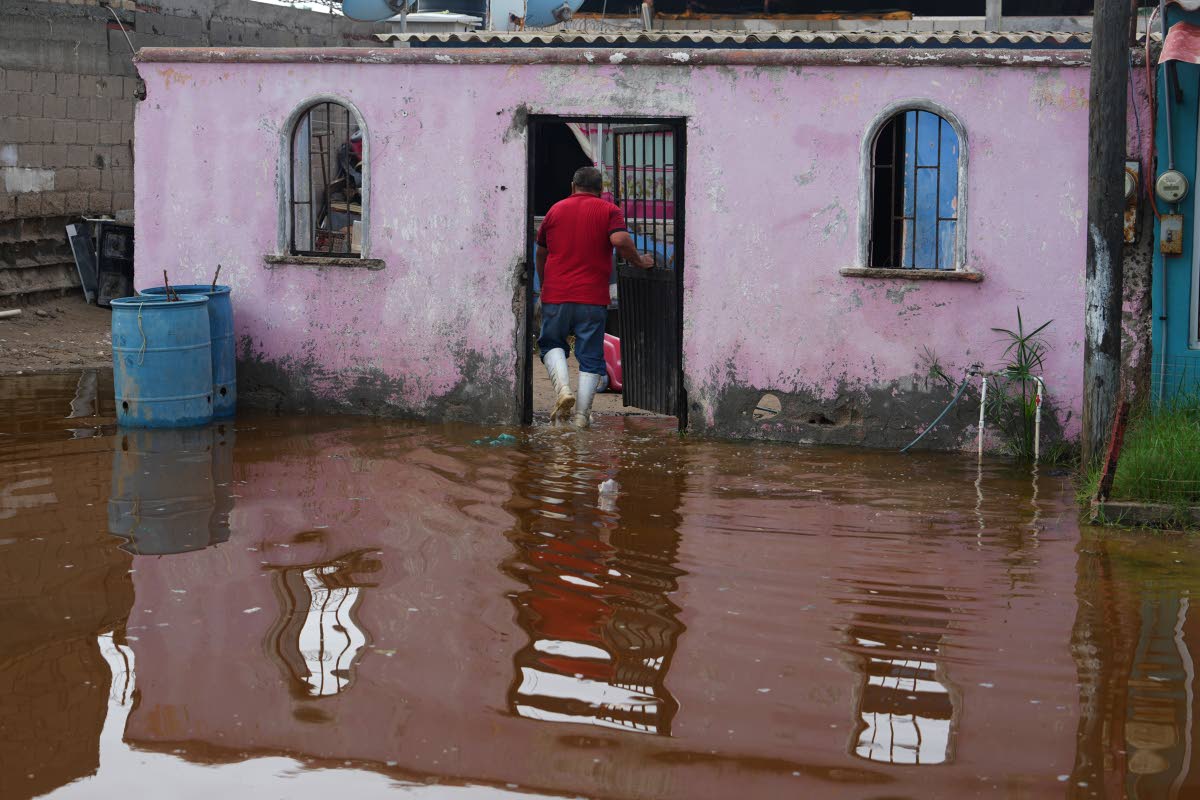 A resident enters his home surrounded by water brought by Hurricane Polo in Puerto San Carlos, Baja California Sur state, Mexico, Tuesday, Sept. 29, 2026. (AP Photo/Eduardo Verdugo). Photo - Eduardo Verdugo
-
 Nahuel Arenas is chief of the Regional Office for the Americas and the Caribbean of the United Nations Office for Disaster Risk Reduction (UNDRR). Photo - Contributed
-
 Dalila Gonçalves is regional director of the United Nations Office for Project Services (UNOPS) for Latin America and the Caribbean. Photo - Contributed
-
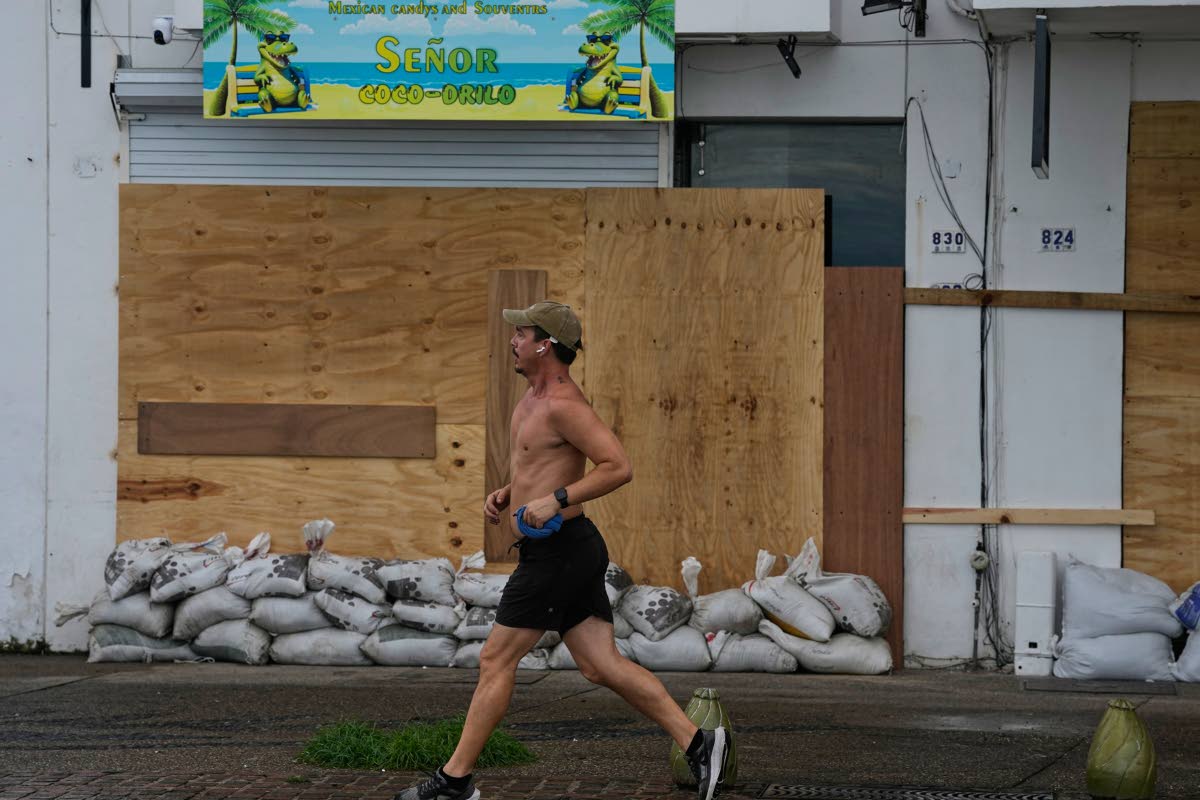 Un corredor pasa junto a una tienda tapiada tras el paso del huracán Simón en Puerto Vallarta (México), el lunes 12 de octubre de 2026. (Foto AP/Fernando Llano). Photo - Fernando Llano
It takes less than two minutes to lose a home – and with it, a lifetime of hard work and savings. Viviana Gil knows this firsthand. On August 10, a 7.4 earthquake in Colombia destroyed the apartment where she had lived for 16 years, and whose final instalment she paid just months earlier, as she explained to El Tiempo. Her story has been repeated in thousands of households across Latin America and the Caribbean.
This October 13, the International Day for Disaster Risk Reduction reminds us that resilience starts at home. For UNOPS and UNDRR, this theme calls on governments to review how homes are planned, built, financed, and maintained. The region needs to invest in protecting homes so that reconstruction does not drain resources needed elsewhere.
Protecting homes is possible because the impact of earthquakes and hurricanes depends largely on the terrain, the quality of construction and materials, and compliance with building standards. In a region where 21 per cent of the population lives in informal settlements, self-construction due to a lack of resources amplifies the risk. A home built without understanding the soil, expanded without professional guidance, or left unmaintained accumulates vulnerabilities that can go unnoticed for years.
What goes unnoticed for years takes its toll in seconds, and in 2026, the region saw it twice. In Venezuela, UNDRR estimated direct physical damage from the June earthquakes at around USD$37 billion. In Colombia, UNDP estimates earthquake damage at around USD$13.2 billion, nearly 90 per cent of it in housing. According to UNDP and UNDRR, the region’s poorest 20 per cent hold just seven per cent of the risk to assets yet bear 37 per cent of expected well-being losses.
And the danger does not come only from the ground. In Jamaica, the damage and losses caused by Hurricane Melissa amounted to 56.7 per cent of its 2024 GDP, according to the World Bank. As recovery continues, the next hazard is already taking shape.
The immediate climate challenge: El Niño
In September, the equatorial Pacific – where El Niño is measured – rose more than 3°C above average to record levels, and the event has yet to peak. The World Meteorological Organization considers it almost certain to last until February 2027 and warns of a greater risk of floods, droughts, and extreme heat.
In Latin America, this translates into severe rainfall in Ecuador and Peru and droughts in the Central American Dry Corridor and northern Brazil. For many families, this means flooded homes or unbearable heat in houses without ventilation or insulation. Here, sustainability and resilience go hand in hand: nature-based solutions, such as protecting natural drainage or expanding urban green spaces, soften storms and cool neighbourhoods.
Beyond housing: The service network
A house can remain standing yet be uninhabitable if the water is cut off or isolated if the bridge to the hospital and school collapses. That is why the UNDRR Principles for Resilient Infrastructure propose treating infrastructure and services as a system: identifying where the whole might fail and how to prevent one disruption from triggering others. This planning must include the communities that suffer most from poor infrastructure.
In Costa Rica, these principles underpin the resilience criteria of the Emergency Programme for Comprehensive and Resilient Reconstruction of Infrastructure (PROERI). The programme is financed by a USD$700 million loan from the Central American Bank for Economic Integration (CABEI) and covers more than 450 public works, including roads, bridges, schools, and housing. With technical assistance from UNOPS to the implementing entities and support from UNDRR, the criteria are applied from planning and bidding to construction quality control. Any identified risk must become a design requirement, written into the contract and verified during construction –delivering the intended protection.
However, such experiences remain the exception. According to the Coalition for Disaster-Resilient Infrastructure (CDRI), expected annual losses from disasters affecting infrastructure in Latin America and the Caribbean amount to USD$58 billion per year. Yet less than one per cent of official development assistance to the region between 2005 and 2021 was earmarked for risk reduction. This is bad business: according to estimates in the World Bank’s Lifelines report, every dollar invested in more resilient infrastructure in low- and middle-income countries returns four dollars on average.
The obstacle is the upfront cost, which many countries cannot afford on their own. Many Caribbean countries, classified as middle- or high-income, have limited access to concessional financing, even though a single hurricane can wipe out more than half of their GDP – as was the case in Jamaica with Hurricane Melissa. We, therefore, call on international financial institutions and donors to offer terms that recognise countries’ vulnerability, not just their income, and make prevention easier to finance.
Developers, builders, and lenders must also answer for their decisions, under public oversight. Families that barely make ends meet need help, not just safety demands: home-improvement loans with technical assistance and grants, accessible insurance, and trained workers to upgrade existing homes.
In March 2027, the IX Regional Platform for Disaster Risk Reduction in the Americas and the Caribbean will bring governments together in Nassau. UNOPS and UNDRR propose establishing budgets for prevention and maintenance, verifiable resilience requirements for projects, and mechanisms that enable families to improve their homes. Each commitment must specify the implementing party, the resources required, and the timeline.
Viviana finished paying off her house and lost it in less than two minutes. Protecting a home in time keeps a lifetime’s work from being lost in an instant.
Originally published in Spanish by EFE Verde.
Dalila Gonçalves is regional director of the United Nations Office for Project Services (UNOPS) for Latin America and the Caribbean. Nahuel Arenas is chief of the Regional Office for the Americas and the Caribbean of the United Nations Office for Disaster Risk Reduction (UNDRR).