‘Wild Gilbert’ singer Lovindeer reflects after Melissa
Loading article...
-
 Gladstone Taylor/Multimedia Photo Editor
Sherman Graham, pastor of Brucefield Gospel Chapel in Brucefield, St Elizabeth, in a moment of reverence at the pulpit of his roofless church on Thursday. The church is one of several across western Jamaica battered by Hurricane Melissa. Photo - Gladstone Taylor/Multimedia Photo Editor
Gladstone Taylor/Multimedia Photo Editor
Sherman Graham, pastor of Brucefield Gospel Chapel in Brucefield, St Elizabeth, in a moment of reverence at the pulpit of his roofless church on Thursday. The church is one of several across western Jamaica battered by Hurricane Melissa. Photo - Gladstone Taylor/Multimedia Photo Editor
-
Gladstone Taylor/Multimedia Photo Editor
Sherman Graham, pastor of Brucefield Gospel Chapel in Brucefield, St Elizabeth, in a moment of reverence at the pulpit of his roofless church on Thursday. The church is one of several across western Jamaica battered by Hurricane Melissa. Photo - Gladstone Taylor/Multimedia Photo Editor
-
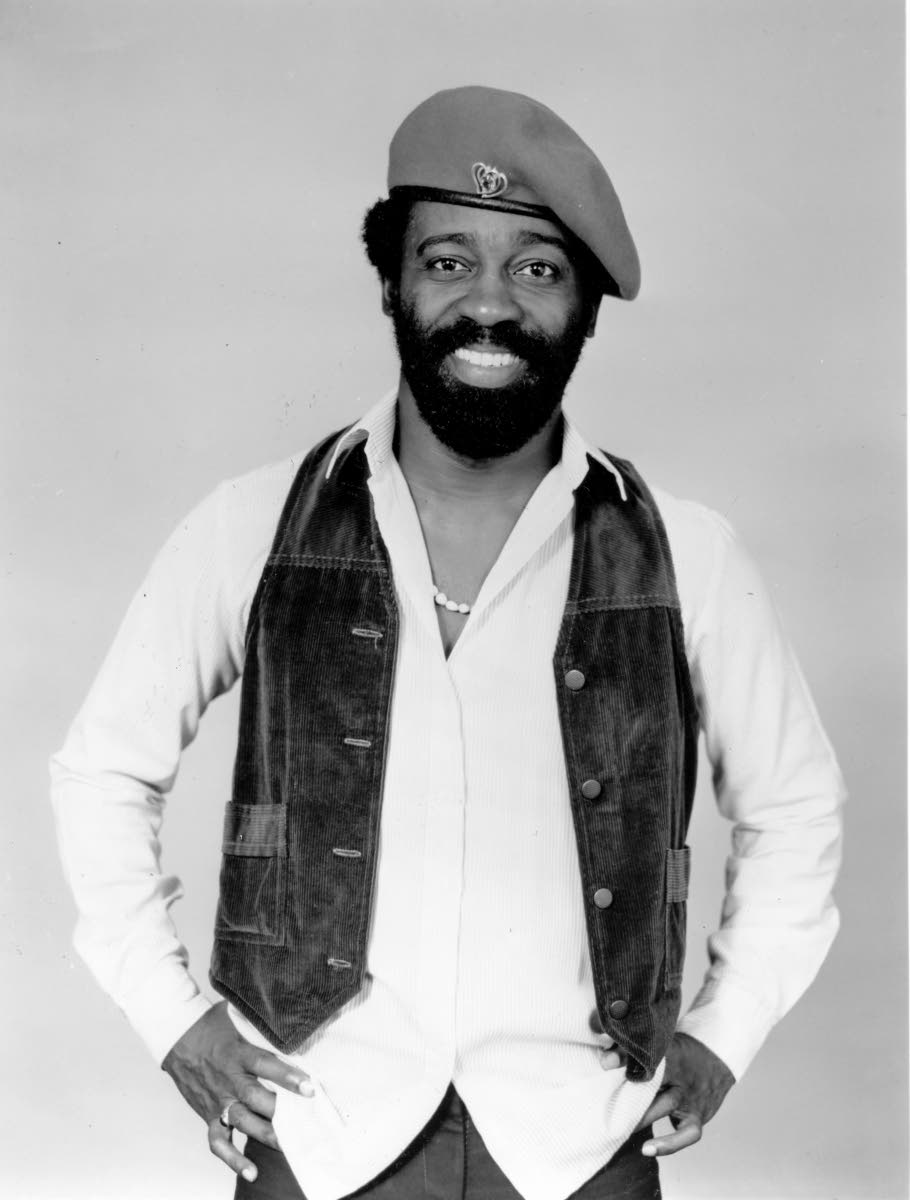 Photo - Voice Photo
-
 File
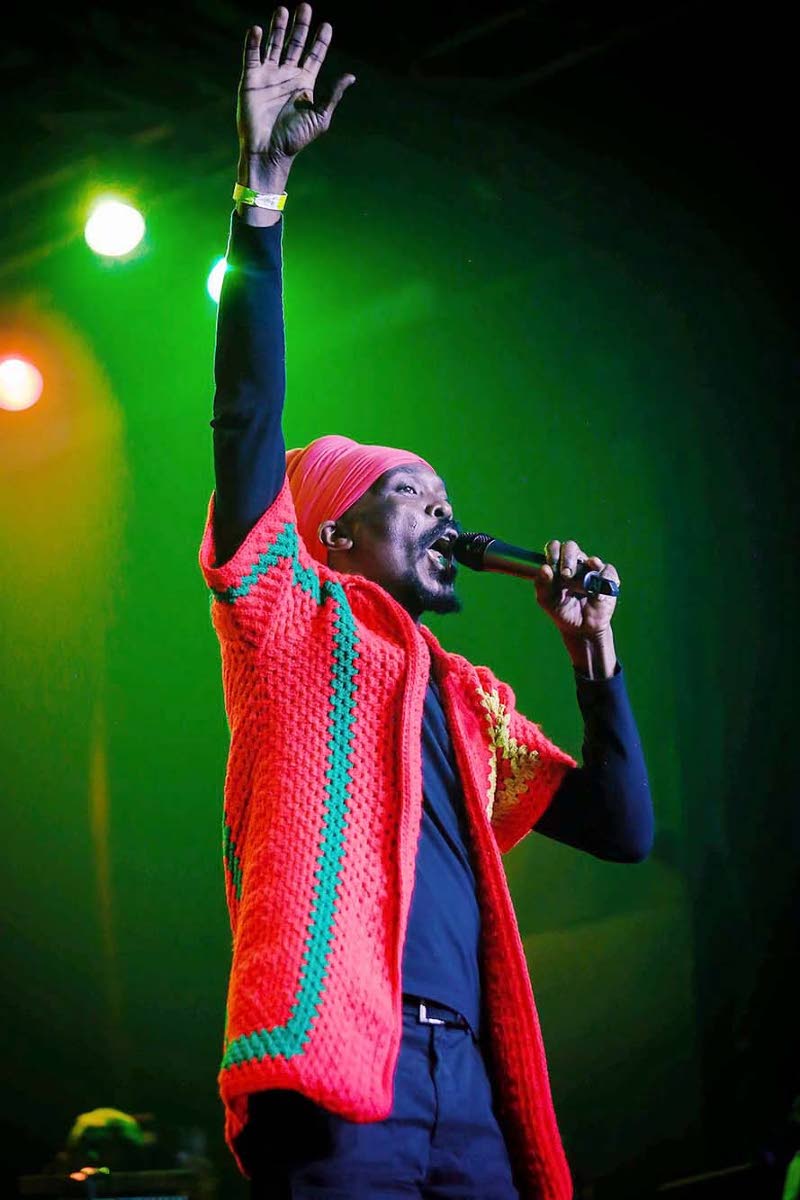
below: Anthony B channelled resilience and some humour through songs such as ‘Ivan’ and ‘Bad Beryl’. Photo - File
File
below: Anthony B channelled resilience and some humour through songs such as ‘Ivan’ and ‘Bad Beryl’. Photo - File
-
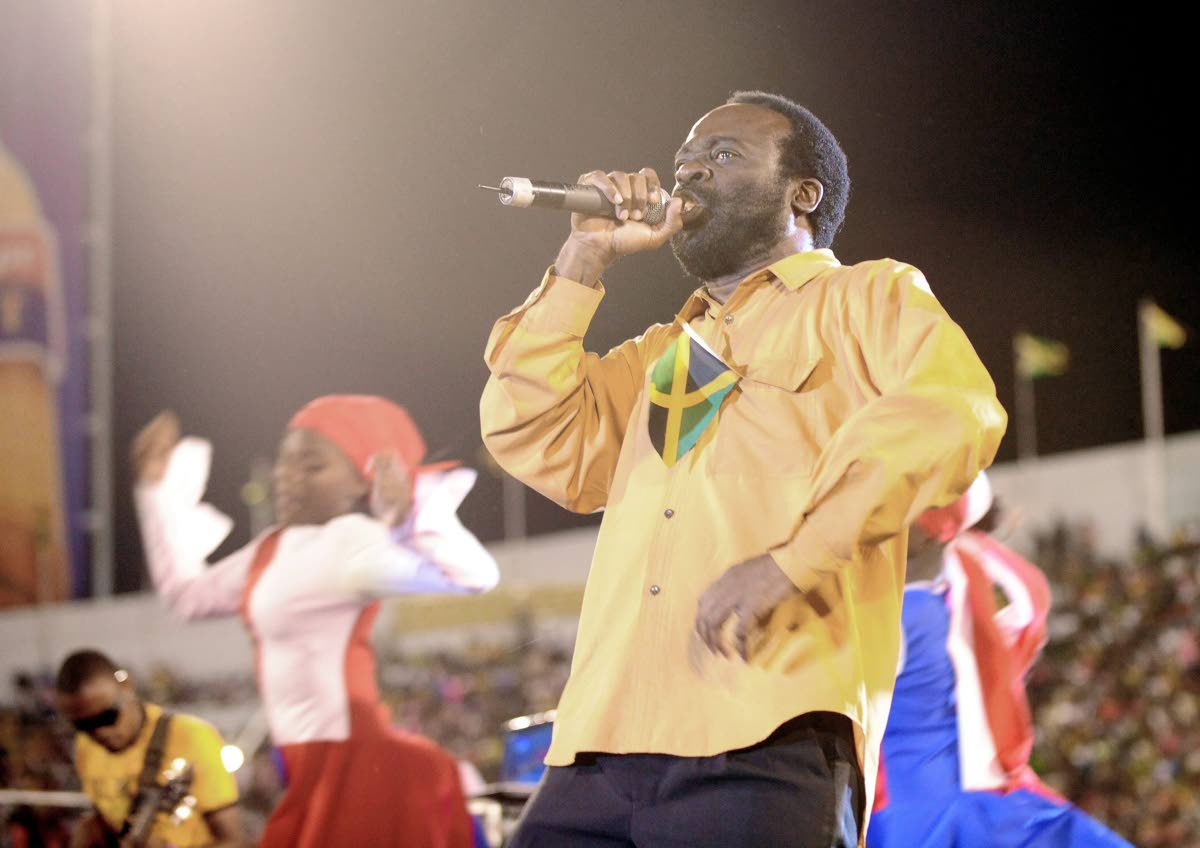 Photo - File
Last week, Hurricane Melissa, one of the most powerful cyclonic phenomena to enter the Caribbean region, wreaked havoc across the Greater Antilles. Jamaica was not spared her wrath, with many lives, especially those of people residing in western Jamaica, being uprooted. Still, if history follows a similar pattern, in the near future, we will see Jamaican musicians making references, and in some cases, documenting Hurricane Melissa’s time in Jamaica and the wider region.
Locally, the most popular song to come from this sub-genre of music is, of course, Lloyd Lovindeer’s 1988 hit, Wild Gilbert, where he used wit and genius storytelling to speak on the destruction of one of Jamaica’s most infamous natural disasters. Lovindeer joins a long list of West Indian musicians who have documented the catastrophic outcomes of hurricanes through music.
When Wild Gilbert hit the airwaves, Jamaica was reeling. The hurricane had torn through the island, claiming lives, ripping off roofs, flooding communities, and plunging the country into darkness. Yet amid the grief and destruction, Lovindeer’s sharp wit and playful storytelling offered a balm. His satirical hit gave Jamaicans permission to laugh again – to find light in the wreckage and humour in heartbreak.
On Friday, August 17, 1951, Hurricane Charlie hit Jamaica. It became the worst hurricane to hit the nation up to that point (it took almost 37 years for another storm to beat that record). According to The University of the West Indies EKACDM Initiative, 154 persons were confirmed dead, 2,000 injured, and over 9,000 were left homeless, with approximately 80 per cent of Morant Bay destroyed, and several other communities wiped out. Soon after, it would be the Trinbagonian artiste, Lord Beginner, who documented the impact of the hurricane through his song, Jamaica Hurricane. The calypso song, ironically, opens with a horn arrangement to mimic the unsettling storm:
“Oh what sorrows and pain in Jamaica with the hurricane
The winds was so terrific, as you know
A hundred miles an hour was an awful blow
A sad calamity, so awful sympathy, to friends and their family
While houses was falling, ay ay
And people was bawling, oy oy
Convicts didn’t fail, to run away from Kingston jail”
Hurricane Hattie
Almost a decade later, in October 1961, Hurricane Hattie brought rain and strong winds to the northern Caribbean. Still, although Jamaica was spared its worst, it caused massive damage to Belize (then British Honduras). It would be a then 17-year-old Jimmy Cliff who released the ska track, Hurricane Hattie, where he compared the strength of his love to that of the cyclone. The track became one of the biggest hits and one of the future Jamaican musical legend’s first hits.
Although there were other major hurricanes over the next 20 years – Hurricane Carmen (1978), Hurricane David (1979) and Hurricane Allen (1980) – not many songs were recorded about them. It was not until 1988 that the next hurricane song became mainstream with Lovindeer’s aforementioned, Wild Gilbert. With a reported 45 deaths and over US$800 million in damage, Lovindeer’s song resonated with many Jamaicans. As he sang,
“Water come inna mi room
Huh huh!
Mi sweep out some wid mi broom ...
Dish tek off like flying saucer
Mi roof migrate without a visa
Bedroom full up a water
Mi in a di dark nuh light nuh on yah”
In the wake of the song’s success, Lovindeer would follow up with Hurricane Oil and Hurricane Love. Soon after, he released an album where Wild Gilbert and the satirical, Gilbert – One Hell Of A Blow Job, were included. Months later, in 1989, he released another album titled Gilbert Yu Gone. Still, Lovindeer’s songs were not the only ones about the storm; there was Yellowman’s Starting All Over Again and Banana Man’s Gilbert Attack Us.
The next major hurricane that would wreck Jamaica was Hurricane Ivan. In its wake, the 2004 storm killed 17 people and left over 18,000 people homeless. One of the songs to come out of the tragedy was Anthony B’s Ivan. As stated by the website Top 4-Charts.com, the singer was looking to mellow out some of the anxiety and dread at this time. As he stated:
“Musically, I don’t want to sound happy, but I want to find a way to make people laugh again. I want to bring back the laughter.”
According to the musician, all proceeds raised were earmarked for the families whose homes and properties had been destroyed or damaged by the storm.
Then, almost three years later in 2007, when Hurricane Dean hit Jamaica and resulted in damage worth almost $23.8 billion, it was the artiste Zulu who would record a song about the storm’s impact.
Exactly a decade later, in 2017, Hurricane Irma impacted the Caribbean. At this, local music veteran, Mr Vegas, would release the track, Adios Irma. Just like Anthony B, Vegas stated that proceeds from the songs would go to victims of the hurricane.
‘Bad Beryl’
Nevertheless, the release of hurricane songs continues to this day. Just last year, in the wake of Hurricane Beryl’s devastating impact on the island, Anthony B released, Bad Beryl. In an interview with DancehallMag, the artiste explained why the song was important:
“I made it 12 in the night just after the storm, so this song can keep in our memory so we can remember. Remember Wild Gilbert in 1988, nuff yutes remember Gilbert because of that Lovindeer song. It is a reminder that generations can come and be reminded of this experience of Beryl.”
Then the up-and-coming musician, Chris Malachi, would also release a track inspired by the disaster. The song, which interpolates Valiant’s GodFada, mirrors the legacy of Lovindeer’s Wild Gilbert with its humorous lyrics. In speaking about the viral track titled, Disasta (Hurricane Beryl Song), Malachi told Our Today,
“It’s a documentation of what people are going through with Hurricane Beryl, and I did it because making music about current events is a part of our culture,” said Malachi. “There is some humour intended behind it, of course, but it’s also the reality that is still affecting a lot of people in Jamaica, and I think that’s why it’s picking up so much momentum.”
Thus, as Chris rightfully puts it, this documentation of catastrophic disasters in the region is embedded in Caribbean culture; Hurricane Melissa and her history-making run in the region will surely not be different.
As for Lovindeer, a song for Hurricane Melissa won’t be coming from him.
“Satire and humour can go a far way towards helping people,” the 77-year-old entertainer reflected. “But in certain situations – like now – it different,” pointing to the ferocity of Hurricane Melissa and the devastation faced by western Jamaica. “Gilbert didn’t really affect us as badly as this girl – sorry, this lady – sorry, this woman, Melissa did... . The [damage] was devastating,” he said. “I feel it for the people in [those parishes] that were affected... . Sometimes when I think about it, I cah really write no song about that.”
The beloved entertainer, born in 1948, still takes pride in how Wild Gilbert has endured. “It gives me a good feeling. At least some of di young people dem can relate to it,” he said. “I’m sure their grandparents and their parents told them stories about what happened during the hurricane, you know... Even though some of those youngsters weren’t born during that time, when they come back and look at the video, and hear the lyrics of the song, dem get a good laugh out of it.”
He says it’s time for younger voices to tell their own stories.
For now, as the island recovers, his message is simple: “Just give thanks fi life. It might sound like a cliche, but we have to give thanks for life. As long as there’s life, there’s always a possibility that we can recover,” he said. “Some of us don’t have the money to give, but comfort and assistance – physical assistance – can go far way.”
J.T. Davy is a member of Tenement Yaad Media, where she writes and co-produces their popular historical podcast, ‘Lest We Forget’. Send feedback to jordpilot@hotmail.com and entertainment@gleanerjm.com.