I Can't Take It/Tears On My Pillow’ - Ernie Smith’s battle for ownership, unpaid royalties
Loading article...
-
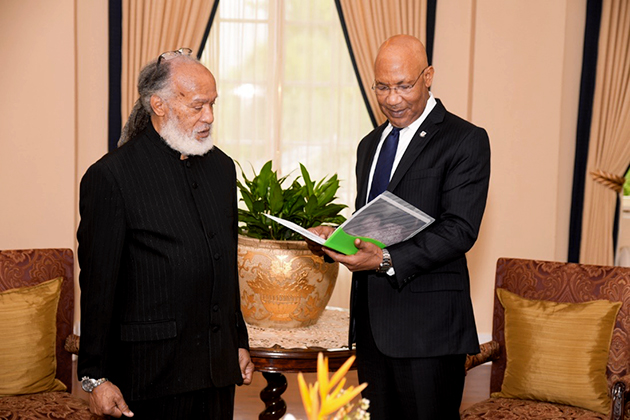 Ernie Smith and Governor General Sir Patrick Allen. Dammar's personal archives.
-
Ernie Smith and Governor General Sir Patrick Allen. Dammar's personal archives.
-
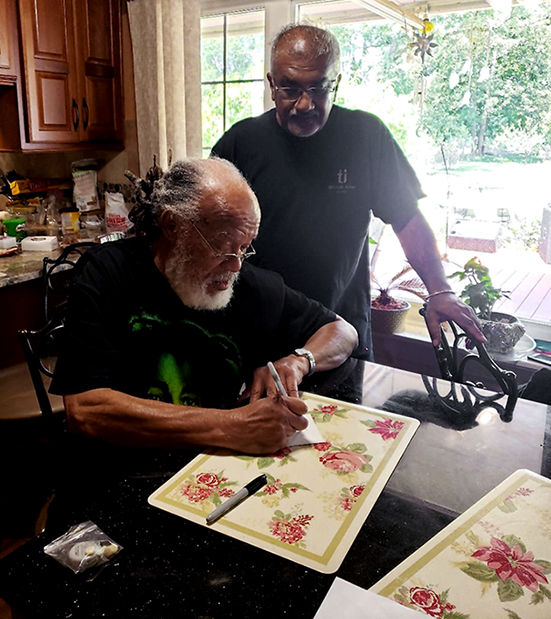 Ernie Smith and Merrick Dammar. Dammar's personal archives.
-
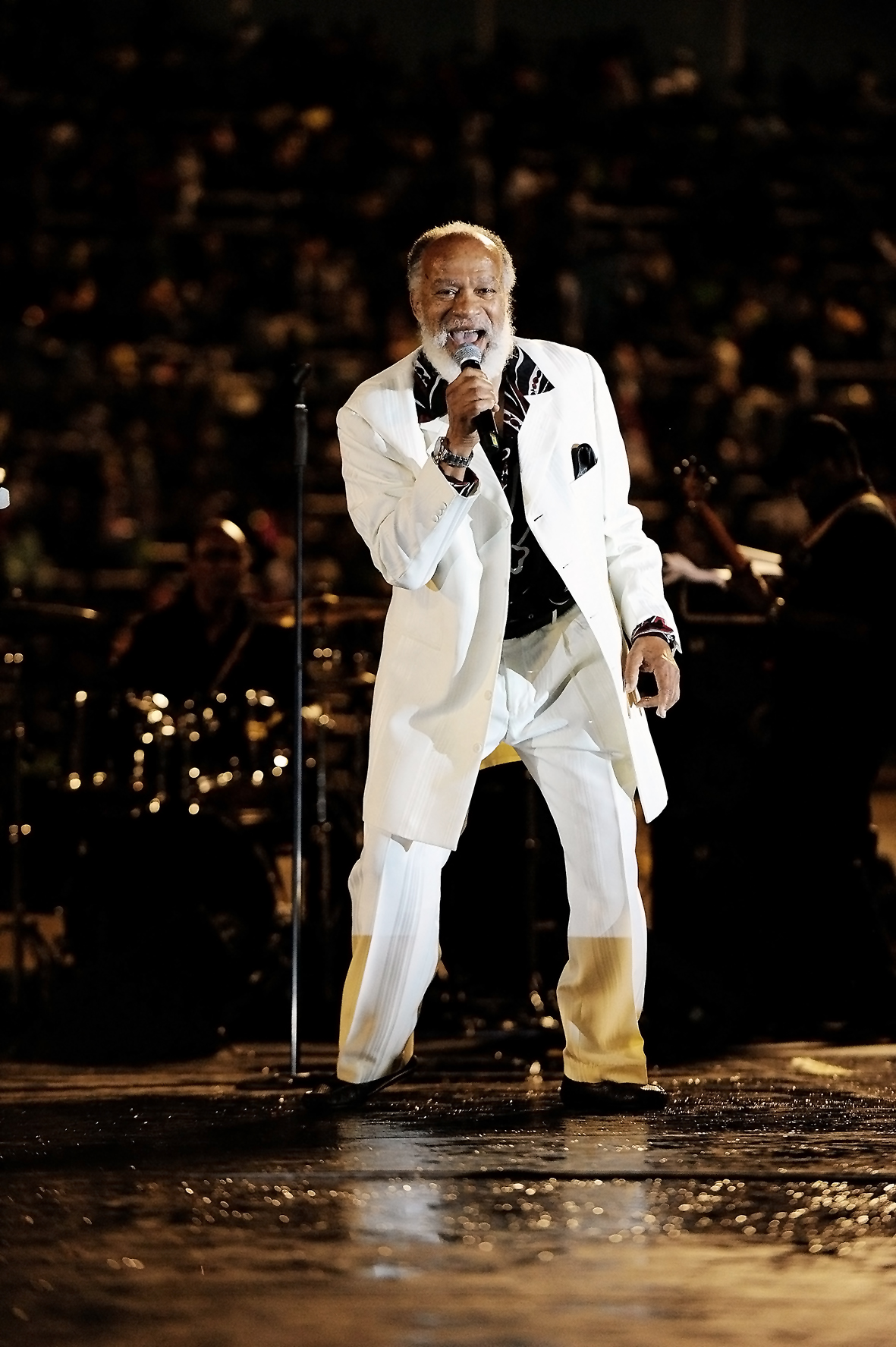 Ernie Smith performing at Grand Gala in Jamaica. Dammar's personal archives.
-
 Ernie Smith performing at Merrick Dammar's annual backyard shindig. Dammar's personal archives.
-
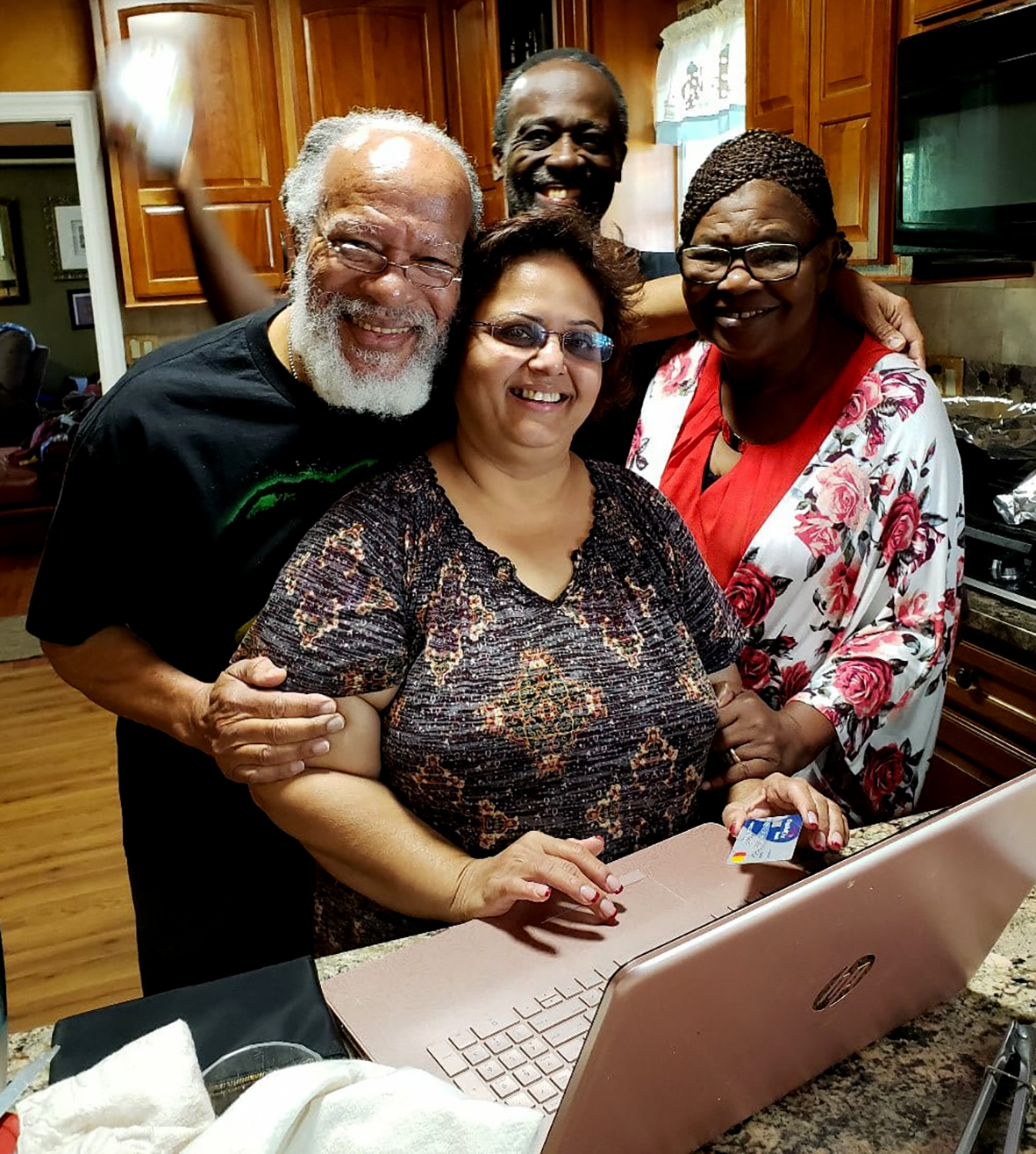 Ernie Smith shares lens time with Debbie Dammar, Lloyd Lovindeer and his second wife Janet Smith. Dammar's personal archives.
The death of Jamaican singer-songwriter Ernie Smith on April 16, at age 80, has reignited one of reggae’s most troubling unresolved disputes over ownership, and millions in unpaid royalties. At the centre of it all is Tears On My Pillow, a song widely associated with US singer Johnny Nash. However, Smith's longtime confidante and legal advisor, New York-based attorney Merrick Dammar, said that the song, originally written by Smith and titled I Can't Take It, was never properly compensated.
Now, with both Smith and Nash dead, the question lingers, how much is still owed to Ernie Smith for penning I Can't Take It and will his estate ever collect a cent?
The story begins in the late 1960s with a deeply personal composition that Smith titled I Can’t Take It.
“It was written as a goodbye and as a lamenting song to his mother,” Dammar explained. “His mother was sickly … and the song evolved.”
Over time, the song took on new emotional meaning, becoming something Smith would sing to his second wife, Janet, whenever he left home, a tender ritual that blurred grief and love.
Asked if he knew how Ernie met Nash, Dammar shared, “He opened for Johnny Nash and he sang the song. Johnny Nash then asked for permission to sing the song and Ernie allowed it without any paperwork.”
“Ernie was a guy who believed in a handshake,” Dammar aid, adding that it was both “his strength and his undoing”.
PLAY WITH NO PAY
When Nash released the track in 1975 as Tears On My Pillow, it became a major international hit in the UK. Smith received acknowledgment as writer, but little else.
“He gave Ernie the writing credit,” Dammar said, “but definitely not the royalties.”
Dammar broke down the implications.
“Every time a song is played the artiste is entitled to a royalty, the writers would get their share, the singers would get their share. In this particular case, Ernie was cut out of his share.”
Adding further confusion, Nash’s retitled version shared its name with a 1958 classic by Little Anthony & the Imperials, triggering additional disputes over song identity and ownership. At the time, systemic issues compounded the injustice.
“Jamaican writers were not getting anything … people would take their songs … and they wouldn’t get anything,” Dammar outlined.
Despite years of attempts to resolve the issue with Tears On My Pillow, Smith died without closure
“In 2019, the promise [by Johnny Nash] was that he was going to show them the spreadsheet on the royalties and give them a cut,” Dammar said.
But that resolution never came.
As personal tragedy struck, including the death of Smith’s wife Janet in 2020 and Nash later that year, the pursuit slowed.
While exact figures were never finalised for unpaid royalties, industry estimates now suggest that with decades of airplay, licensing, and global distribution, unpaid royalties could be in the millions in US dollars. And crucially, Dammar insists, ownership was never in question.
“Ernie showed that he wrote the song. The position was not about ownership. The position was about the division of the money,” he reiterated.
With both principal figures dead, the battle now shifts to Smith’s estate to pick up the fight.
“I believe eventually the estate will get paid because Ernie showed that he wrote the song,” Dammar said.
But the path forward is complex. It likely involves, reconstructing royalty streams across decades; engaging the right organisations in multiple jurisdictions; negotiating, or litigating, with Nash’s estate and associated publishers and untangling overlapping claims tied to similarly titled recordings.
And time is not on their side. The longer disputes linger, the harder it becomes to track revenue and enforce claims.
Even in his final years, Smith continued to perform Tears On My Pillow.
“It’s his song … and he wants to remind the world it’s his song,” Dammar opined.
Smith, who was born in Kingston in 1945, was raised in St. Ann. Among his popular hit songs are Bend Down, Ride On Sammy, All For Jesus, Pitta Patta, Duppy Gunman, and Key Card. In 1972 his song, Life Is Just For Living, originally a Red Stripe beer jingle, won an international music award at the Yamaha Music Festival in Tokyo.