Dancehall artistes and the right to free speech
Loading article...
-
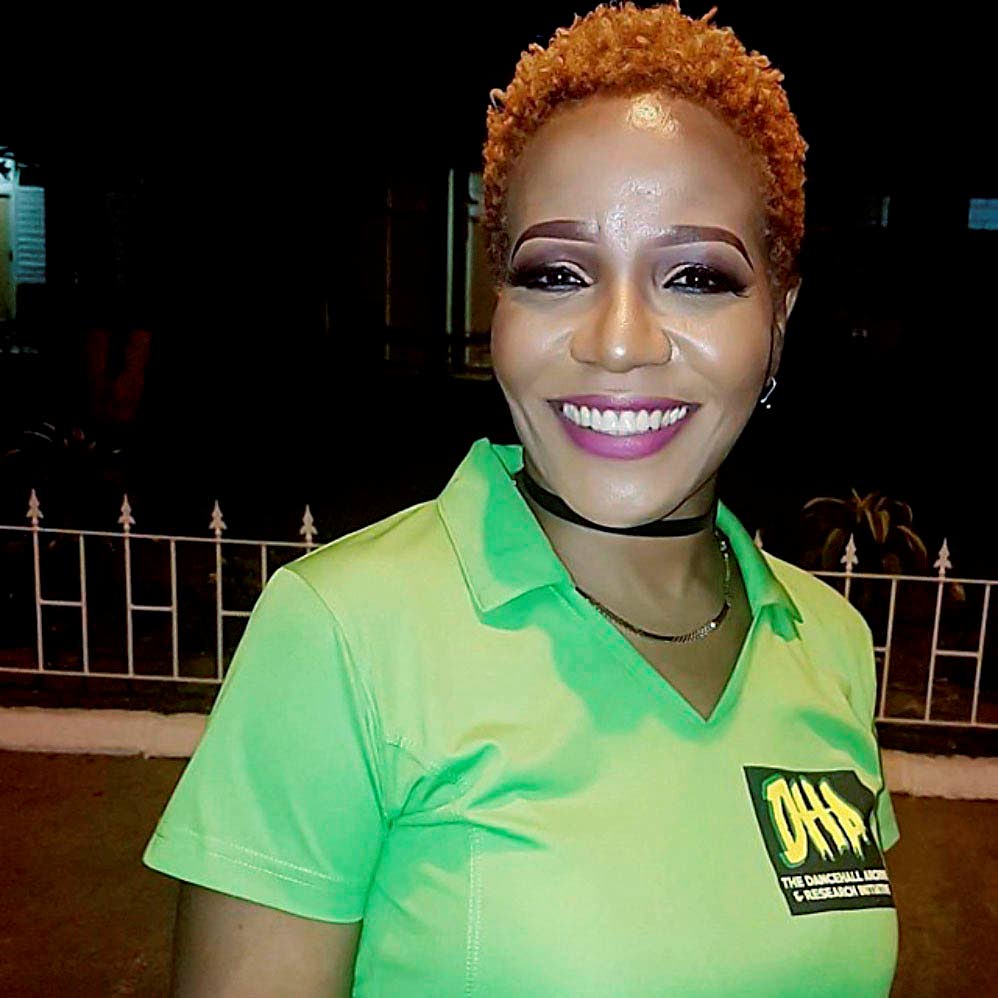 Professor Donna Hope. Photo - Contributed
-
Professor Donna Hope. Photo - Contributed
-
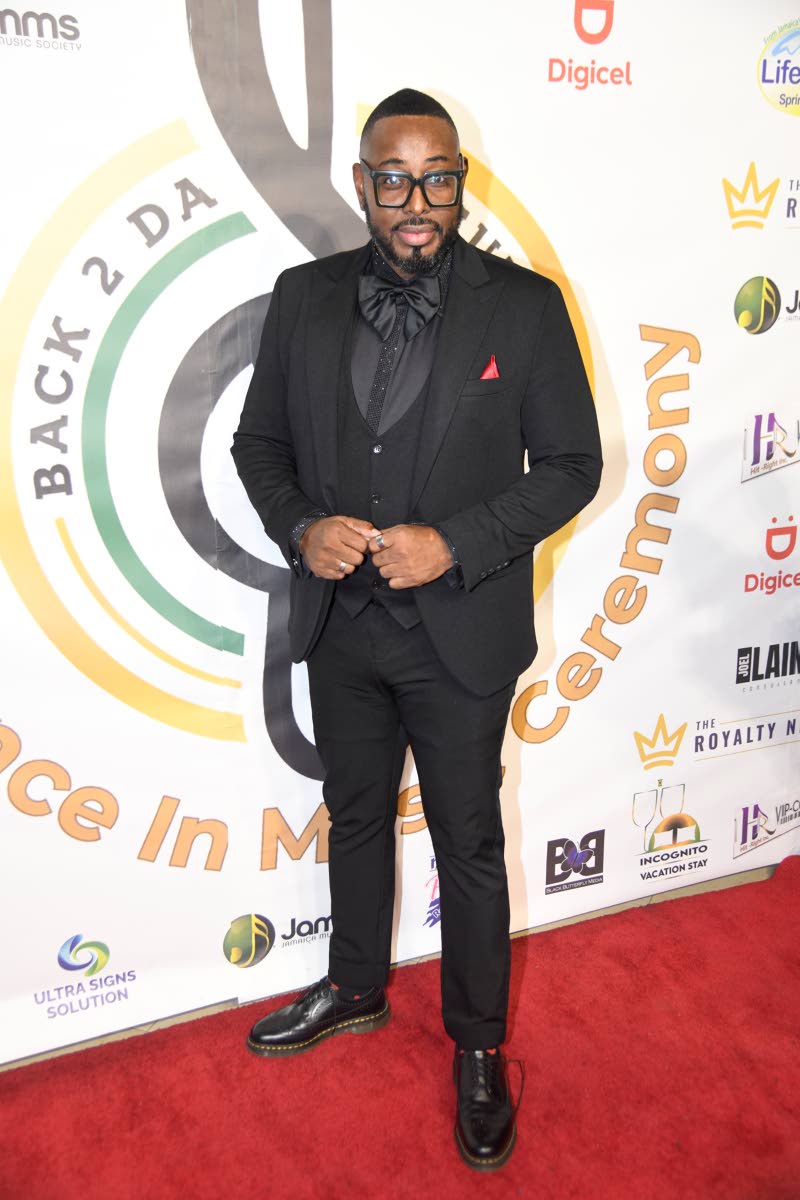 JaRIA Chairman Ewan Simpson at the Excellence in Music Awards at The Courtleigh Auditorium recently. Photo - Antoine Lodge
-
 Beenie Man. Photo - Antoine Lodge
Much has been made of Beenie Man’s recent comments on an international platform when he was asked about Jamaica’s recovery efforts one year after the passage of Hurricane Melissa, and also of Prime Minister Dr Andrew Holness’s response that the entertainer was tarnishing Brand Jamaica and speaking on matters on which he was not qualified.
Some persons criticised Beenie Man for speaking without full knowledge of the facts while others supported him and felt that he simply reiterated what the average Jamaican has been saying for months. The Gleaner has sought to find out from experts in both academia and the music industry their thoughts on who, aside from the 63 persons in Parliament, has a right to speak on behalf of the average Jamaican citizen.
For University Professor Dr. Donna Hope, not only do entertainers have the right to voice their opinion, but we should expect more of them to do so.
“Artistes are Jamaican citizens and therefore have the right to comment, criticise or speak on issues affecting Jamaica, politically or otherwise. The fact that they are more visible will make what they say have more resonance, so more people will see and respond to it,” Dr Hope stated.
“Their personal background, education level or any other qualification has no bearing on that discussion or the validity of their comments. From my perspective, I would like more artistes ... as used to happen back in the day ... to come out with songs that speak to the present era in which we live and have questions in the music. Artistes are also expected to put a lot of their social commentary where it can be more mobile, and people can listen to it, so we expect them to do it in the music that they put out.”
University lecturer Kamau Amen wholeheartedly agreed with his colleague.
“It is a problem that it is even considered controversial that an artiste cannot make a statement about an issue. It signals that there is something wrong in the way we practise our democracy, and should cause us to question what we believe and how we treat fellow members of society. It is disturbing as far as I’m concerned,” Amen said.
He said that how the comment is received or perceived and the consequences of sharing such an opinion are another question “but as to whether they have the right to an opinion, we all do”.
Ewan Simpson, chairman of Jamaica Reggae Industry Association, which advocates for all industry professionals, stated that artistes in any culture have always used their art to critique and to challenge the establishment.
“Nowhere has this been more true than Jamaica, to the extent that Jamaican popular music from mento to dancehall, has not only been widely recognised as a critical tool of social commentary but has championed justice globally,” Simpson, who is a musician and an attorney-at-law stated.
“Bob Marley is most popular among the Jamaican champions against Apartheid and other memorable global causes. Our artistes not only have a right to discuss topics of national significance, they have a duty to do so. Anyone who suggests otherwise is anti-democracy. Having said that, there is a common duty to the truth that should be applied to artistes, media practitioners and politicians alike,” he added.
Music historian Dr Dennis Howard said that many need to be reminded that the government is actually the servant of the people, and, as set out in the Constitution, “we have a right to express ourselves as long as it’s not defaming anybody or crossing the law”
He continued, “As an artiste, especially from a Jamaican and Caribbean context, where we are the descendants of enslaved people from Africa, we have a right to talk about not only the national condition, but the international situation, which we in Jamaica have a tradition of doing from mento music straight up to now.”
Howard pointed out that visual artists, playwrights and dancers have all been engaged in expressing their freedom of speech.
“We were among the first to put music to Apartheid. Miriam Makeba and Hugh Masekela were at the forefront but we were the first outside of Africa to talk about Apartheid in music. We were the first to talk about a lot of things including African consciousness,” he said.
nicola.cunningham@gleanerjm.com