Christopher Burgess | Palisadoes Peninsula: Lessons from Melissa
Loading article...
-
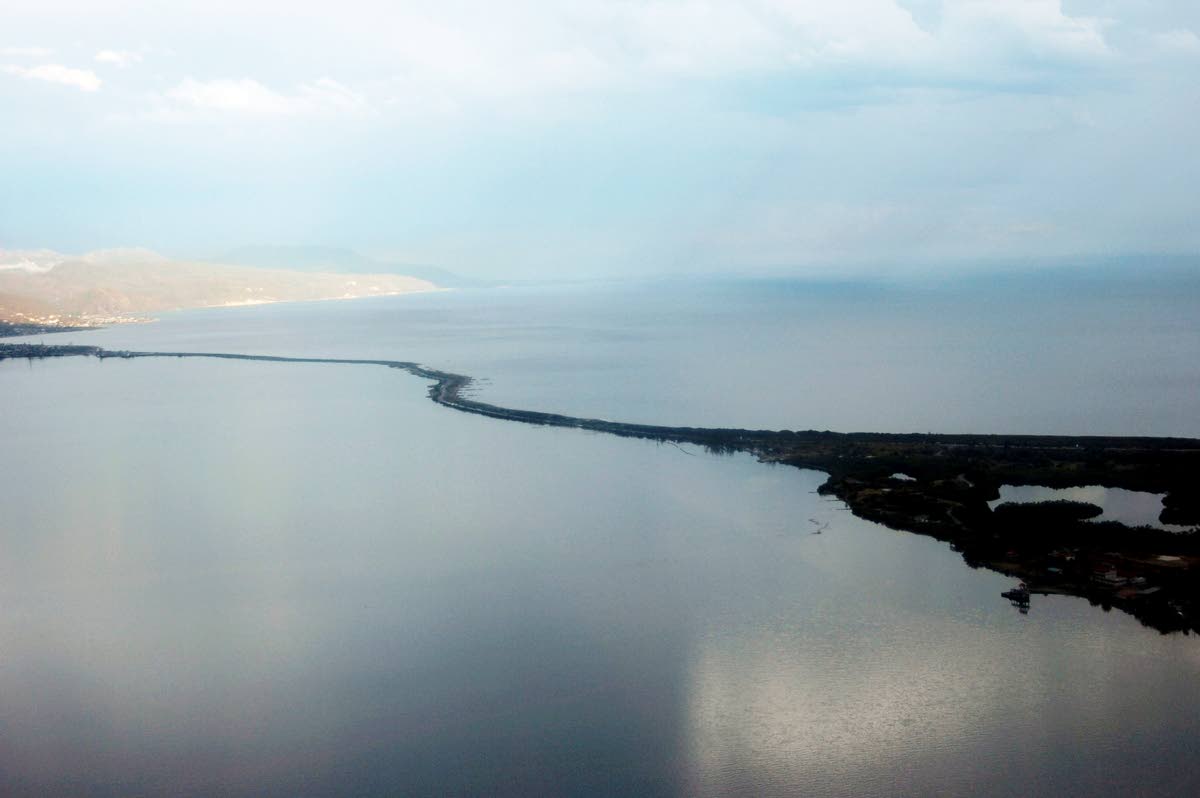 This aerial photo shows the Palisadoes strip
-

Christopher Burgess
Hurricane Melissa brought high seas along the Palisadoes Peninsula, and the coastal protection works held firm. Minister Daryl Vaz reported that he was “pleased to update the public that the Palisadoes Strip shows no issues or damage”. With no structural compromises, NMIA reopened within two days. Resilience requires investment and implementation by professionals.
On October 28, Hurricane Melissa made a direct hit on Westmoreland and St Elizabeth. Black River, Treasure Beach, Montego Bay, and Falmouth were battered by storm surge and high winds. Major corridors, hospitals, and thousands of homes were destroyed. Closer to Kingston at Eleven Miles, the revetment began to unravel and overtop on the road. Had this revetment ruptured, it would have severed the link to the eastern parishes. Old Harbour and Hellshire fishing beaches were pounded again, while Fort Rocky remains flattened and denuded, vulnerable to overtopping in a direct hit. Kingston’s shoreline safety depends on the continuity and strength of the Palisadoes.
When Hurricane Ivan (2004) tore across Jamaica’s south coast, the Palisadoes dunes – the narrow barrier connecting Kingston to NMIA and Port Royal – were breached. Waves overtopped the road, dumping tons of sand into Kingston Harbour. The city came within hours of losing its connection to the airport. Without completing the coastal works, we could face that risk again.
PALISADOES PROTECTS KINGSTON
The Palisadoes is Kingston’s natural breakwater – a 14-kilometre barrier that protects downtown Kingston’s financial district and industrial and transportation assets such as Petrojam and the NMIA runway. This natural shield reduces six-to-eight-metre hurricane waves and storm surges of two-to-three metres to manageable levels within the harbour.
The Government’s own Green Climate Fund submission estimated that a single major storm could inflict over US$1.8 billion in direct infrastructure losses between Port Royal and Harbour View if the Palisadoes were to fail or experience multiple breaches. Against that backdrop, allowing an ill-advised entertainment venue at Fort Rocky to weaken this vital coastal defence is a step in the wrong direction – one that compromises Kingston’s resilience.
CUBAN SOLUTION
In the wake of Hurricane Ivan, Jamaica requested technical help from Cuba’s Ministry of Science and Technology. The Cuban coastal team responded in 2005, with oceanographic vessels and surveys, and presented a practical plan using rock revetment. The “Cuban solution” held back the sea long enough for Kingston to recover.
But as Hurricanes Dean (2007) and Felix (2008) proved, permanent and higher defences were required. The Caribbean Development Bank tested nine design options. Only the crest elevated to +6.4 metres survived the simulated 100-year storm with minimal damage. This final design – large armour stones of four to eight tonnes became the backbone of the Palisadoes Shoreline Protection Works.
A two-kilometre stretch of lower revetment was also designed to be topped with engineered sand dunes, blending ecology and engineering – natural processes reinforced by engineered certainty. The Airports Authority of Jamaica later added a low-crested revetment, anchored into dunes, at the end of the NMIA runway, by the light house, to stabilise failing dunes. During Hurricane Melissa, that section remained intact – an encouraging sign of improved resilience.
BLENDING GREY AND GREEN SOLUTIONS
Palisadoes works deliberately merged engineering with ecology. Before construction, the UWI Port Royal Marine Lab relocated endemic cacti, mangroves, and seagrass beds. Hundreds of mangrove seedlings now line the harbour side at Sturridge Park, trapping sediment and dampening waves.
While the NWA hasn’t placed the final six-metre sand dune cap and vegetation, this grey-green hybrid approach is now a regional model for climate-resilient coastal design.
Today, over eight kilometres of sand dunes provide protection, from NMIA to Port Royal. Dune vegetation traps sand and strengthens the crest, creating dynamic, self-repairing barriers. It was the failure of dune maintenance that caused the breach in 2004. Dunes are essential protective infrastructure.
PALISADOES IS NOT FINISHED
About two kilometres of low revetments remain uncovered by the intended dunes, leaving them exposed to overtopping – and Kingston exposed to risk. Completing this final phase is essential. The design calls for native dune vegetation such as sea grape and seaside mahoe, which stabilise sand and beautify the corridor.
We must keep pace with climate change. A 0.4-metre rise in sea level by 2050 will make coastal towns like Black River and Montego Bay even more vulnerable. The shifting and waffling tracks of newer hurricanes – moving from south to north instead of east to west – demand that Jamaica invest in similar defences in Negril, Savanna-la-Mar, Black River, and Falmouth. Similar to Annotto Bay by PIOJ and Port Royal Street by JSIF.
The Palisadoes must, therefore, be completed, vegetated, and monitored as it is Kingston’s insurance policy against rising seas and intense storms.
Every passing hurricane revives the question: Will the Palisadoes survive its first true test? Reinforcing the Palisadoes means protecting Kingston – its airport, shipping ports, industries, and heritage. It is the capital’s first line of defence against the Caribbean Sea, built on science, regional partnership, and the hard lessons of Ivan.
Minister Vaz observed that where investments in resilient infrastructure are made, performance has improved. The task now is to finish the job – complete the Palisadoes defences – and then replicate this model island-wide, maintaining Jamaica’s coastal protection and strengthening its resilience to rising seas and intensifying storms.
Christopher Burgess, PhD, is a registered civil engineer, land developer, and the managing director of CEAC Solutions. Send feedback to columns@gleanerjm.com.