Jalil Dabdoub | Trapped in tribalism: A nation held hostage — even in the face of disaster
Loading article...
-
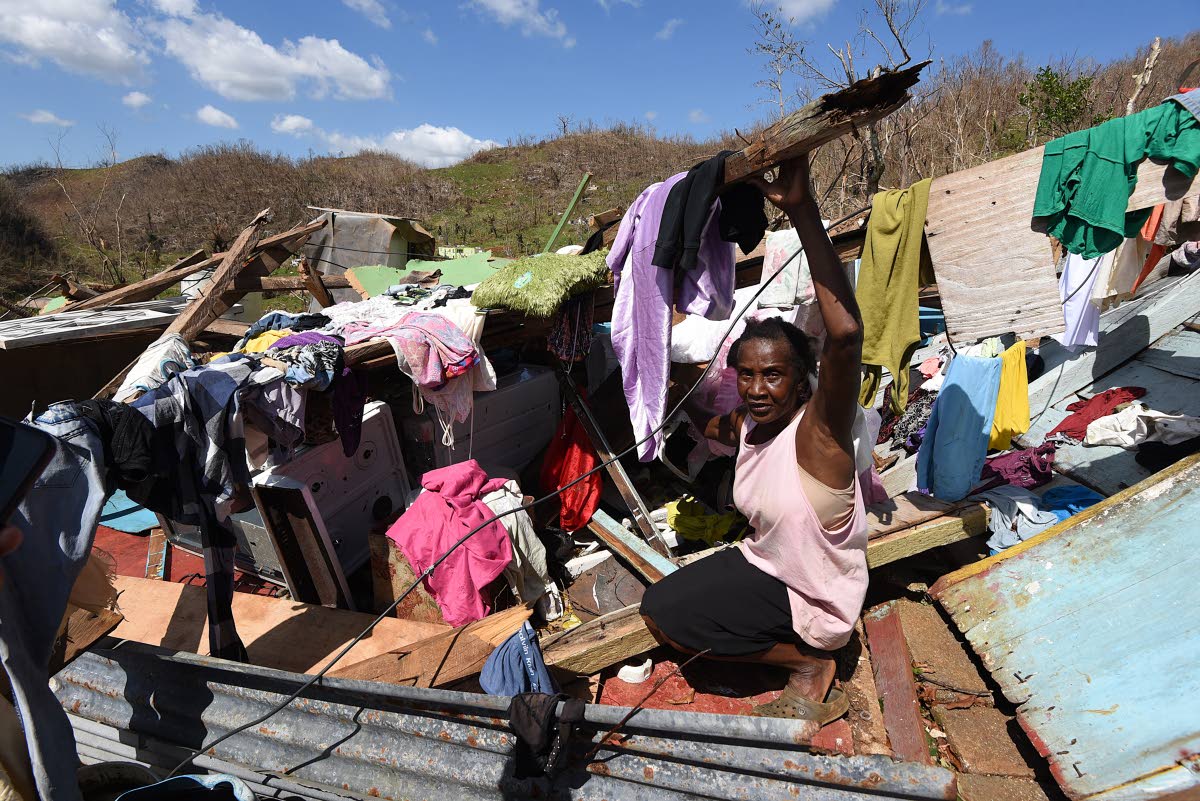 Sixty year old Juliet Clarke of Ipswich, St. Elizabeth, sits atop the rubble of her three bedrood board house after it collapsed during the passage of Hurricane Melissa. Photo - Ian Allen
-
Sixty year old Juliet Clarke of Ipswich, St. Elizabeth, sits atop the rubble of her three bedrood board house after it collapsed during the passage of Hurricane Melissa. Photo - Ian Allen
-
 Jalil Dabdoub. Photo - Contributed
Recently, I debated someone who took issue with my view that Jamaicans still see politics almost exclusively through orange and green lenses. While the overt violence of old has faded, political tribalism remains a powerful and toxic undercurrent, shaping our discourse, clouding our judgment, and dividing us even in crisis.
As former PM Patterson said, our politics often feels like “a fight over scarce benefits and political spoils carried on by hostile tribes.” Even in emergencies, political loyalty dominates disaster response. From resource allocation to relief distribution, tribal loyalty frequently trumps reason, objectivity, and national interest.
Today, these tribes wield hashtags, press releases, and propaganda. Even in disaster, party loyalty overshadows national interest. From resource allocation to relief distribution, politics trumps compassion. Every storm becomes a political storm — hashtags and press releases replacing unity and coordination. Constructive criticism is treated as attack; cooperation as weakness.
The consequences are severe. Political interference erodes trust in institutions like ODPEM and parish councils. Relief becomes a political favour rather than a citizen’s right. Some fear seeking help lest they be labelled “the other side,” while others pledge allegiance hoping for faster aid. When disaster response becomes transactional, our humanity erodes.
This blindness is now systemic. Jamaica’s political system has become a career path. Many of our politicians are careerists who depend on politics to put food on the table. In the aftermath of hurricanes, disaster funds and contracts become opportunities — a way to shore up political support or reward party loyalists. This professionalization of politics fuels deeper tribal loyalties and rewards partisanship over principle. When politicians’ livelihoods depend on political power, the priority shifts from building resilient communities to maintaining voter bases. All a recipe for incompetence.
That Minister McKenzie felt compelled to say, “We are not incompetent,” is, ironically, one of the clearest admissions of incompetence. Governments cannot prevent hurricanes — no one expects them to. What the public rightfully demands is foresight, planning, and leadership. You can plan for a Category 5 storm; what you cannot do is prevent it. So, when leaders use the severity of a Category 5 hurricane as an excuse for slow aid and recovery, it exposes not nature’s fury but government’s failure.
PRUDENT PREPARATION
Prudent aftermath preparation means: bringing in experienced local and international experts, placing field hospitals and temporary housing on standby, prepositioning rescue equipment like helicopters, and securing international support in advance. These are basic disaster management steps – it seems none of this was implemented swiftly or adequately enough. Social media posts, talk shows, and press statements do not constitute a rescue plan, nor do they save lives.
It is painfully clear we lack trained and experienced professionals in disaster management. With due respect to Ministers Vaz, McKenzie, and others —who are not doubt trying their best, what real experience do they have handling disasters of this magnitude? Leadership in name only cannot substitute for expertise, logistics coordination, or anticipating cascading crises. The slow responses seem to confirm planning and leadership were lacking. That is not the weather’s fault — it is a governance failure.
Political tribalism cripples long-term disaster planning. Consensus — not competition — builds resilience. We cannot strengthen infrastructure, modernize response systems, or adapt to climate change if every change of government resets the agenda. Jamaica needs continuity — a shared, bipartisan disaster framework. But tribalism corrupts it. Instead of collaboration, we get confrontation.
The PNP raises a valid point that the PAAC already provides oversight of government spending. However, its refusal to join the proposed Joint Select Committee on hurricane recovery appears politically shortsighted. At a time when unity and transparency are essential, the PNP’s withdrawal seems obstructionist rather than principled, representing an abdication of its responsibility to the Jamaican people in a time of need.
UNDERMINES CREDIBILITY
By rejecting participation after calling for greater transparency, the party undermines its credibility and forfeits a valuable opportunity to influence the recovery process. Even if concerns about duplication exist, joining the JSC would have demonstrated unity and leadership, strengthened public trust, and ensured accountability during a national crisis.
We must wake up to the reality that political tribalism is not just stifling our national growth — it even endangers our national survival. It distracts us from real issues like climate adaptation, infrastructure resilience, and equitable disaster recovery.
We need a new political culture — one where leadership in times of crisis transcends party lines; where disaster relief is about need, not allegiance; where planning and preparedness are shielded from political interference. If we continue to excuse inefficiency and bias because “our side” is in power, then we too are complicit in the dysfunction.
That in these times of trial and hardship, those entrusted with the nation’s leadership cannot rise above the narrow bounds of party and tribe, stands as a grave indictment of their stewardship. It compels every thinking Jamaican to question whether their hearts are truly aligned with the welfare of the people, or merely with the preservation of power.
From the ruins of this trial, comes a rare chance to prove ourselves worthy of the name Jamaican. Let this suffering not divide us, but unite us in rebuilding. Government and opposition must now join hands — not for party victory, but for national salvation. If we rise above orange and green to see the one flag that shelters us all, this storm may yet give birth to a stronger Jamaica — strengthened not by partisanship, but by shared purpose and enduring brotherhood
It’s time to purge political tribalism from our national consciousness —for the sake of good governance and the survival of our people. Hurricanes do not care about orange or green. When the winds rise and the waters swell, we are all Jamaicans — equally vulnerable, equally responsible.
Jalil S. Dabdoub is an attorney-at-law. Send feedback to columns@gleanerjm.com