Feyi Fawehinmi | Bread upon the waters
Loading article...
-
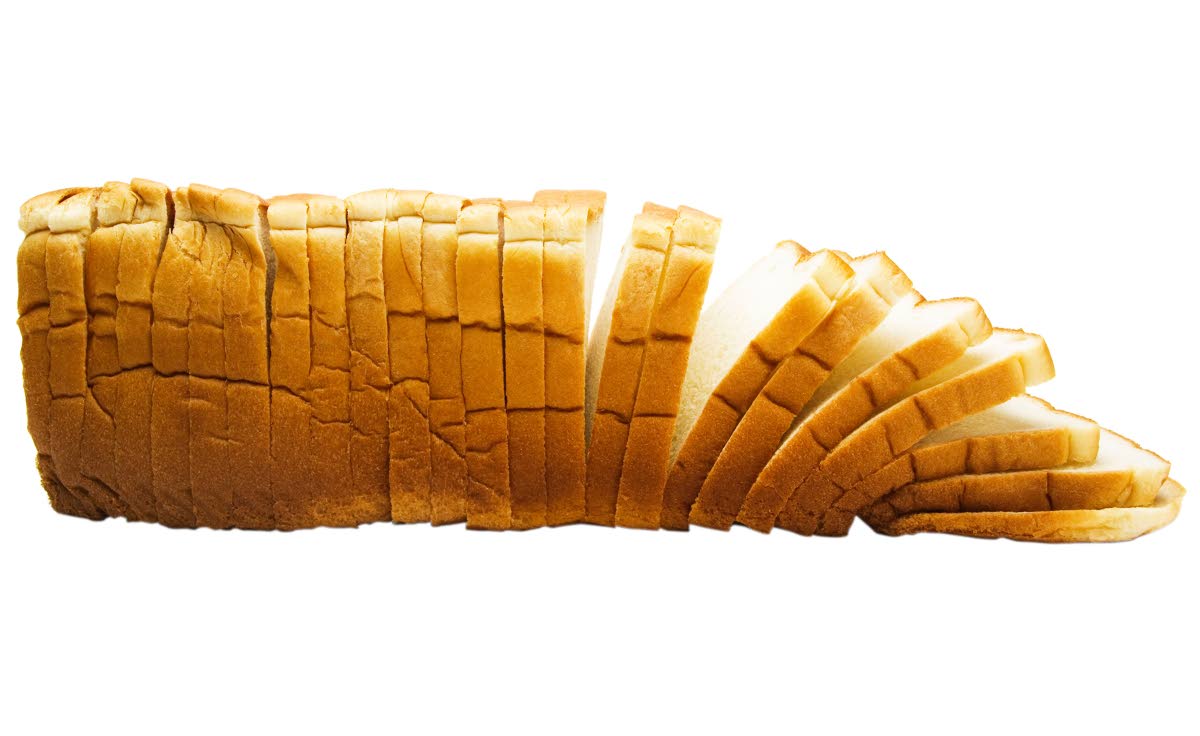 Representational image of sliced white bread.
-
Representational image of sliced white bread.
-
 Feyi Fawehinmi. Photo - Contributed
-
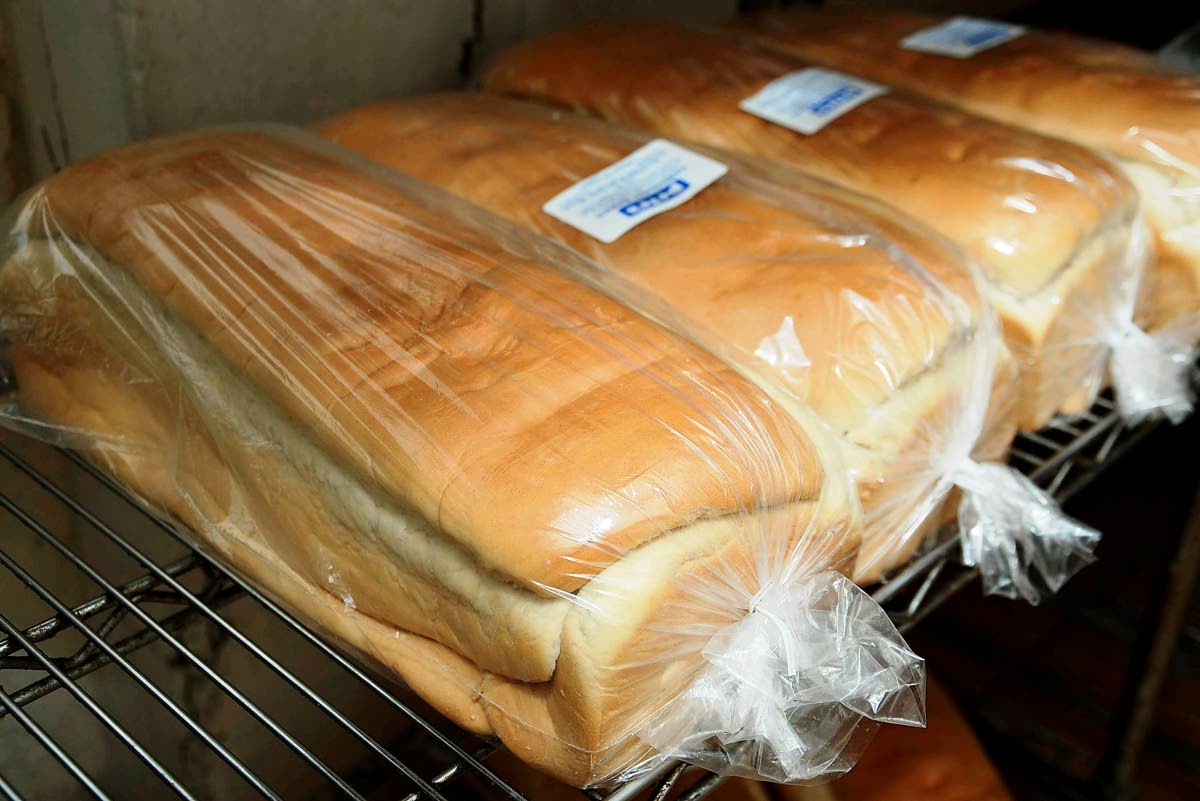 Hardo bread which is said to be the inspiration for Nigeria's Agege bread. Photo - File
Jamaica knows the Atlantic story too well. Between the early slave trade and abolition, somewhere between 600,000 and 900,000 Africans were forced onto the island. Shipping records show that a material share of Jamaica’s human cargo came from ports in what is now Nigeria: roughly 68,000 captives from Bonny alone, with thousands more from Old Calabar and Elem Kalabari.
What is much less discussed are the small and often awkward movements in the opposite direction of West Indians who arrived on the West African coast with hopes of a future to be made. Sometimes the first returns weren’t even free: after the Second Maroon War, more than 500 Trelawny Town Maroons were exiled from Jamaica to Nova Scotia, and many later moved on again to Sierra Leone.
The Maroons’ forced return to Sierra Leone was a fraught chapter, but by the early twentieth century, another, quieter, and voluntary exchange had begun. Colonial Nigeria was building railways and needed trained station masters and clerks. West Indians, educated in the same British system and accustomed to railway work, were recruited as an “in-between” labour force: not Europeans, but not expected to be treated as natives either. One study notes that by the end of 1913, only seven new West Indian railway workers had been hired for Nigeria - six from Trinidad and one from Jamaica. That one Jamaican was Amos Stanley Wynter Shackleford, born in Charles Town to a Maroon community.
RARELY POWERED BY ROMANCE
It is tempting to romanticise what might have motivated a man like Shackleford to leave Jamaica for Nigeria, but migration is rarely powered by romance alone. And if he carried any expectation that colour or shared ancestry might soften the edges of colonial rule, Nigeria had a habit of bringing such ideas down to earth. The evidence survives in complaints West Indian railwaymen wrote back across the ocean. In 1914, an anonymous letter from “A Jamaican” - written from Ebute Metta and almost certainly Shackleford himself - described disappointment at the “miserable state of things” and warned that the pay did not match realities on the ground. Other letters painted the indignities more vividly: men going hatless to avoid constant displays of deference, a clerk reportedly struck for failing to remove his hat quickly enough. Four Trinidadian recruits even abandoned their posts and demanded return passage, sending a telegram that read like a slap: “Stranded help return notify families.”
As a Caribbean outsider – neither European nor native in the colonial imagination – the rational move would have been to do what those Trinidadians threatened: pack up and go. Yet Shackleford stayed – more than that, he returned. His railway contract ended in April 1917, and he went back to Jamaica, but by January 1918, he was in Nigeria again. He married into a Jamaican-Nigerian world already forming in Lagos: Catherine Ricketts, daughter of a Jamaican Baptist missionary who had arrived in 1895. And it is a good thing he stayed – because Nigeria’s bread story would not read the same without him.
Bread was still a novelty in the local diet though its popularity was rising. The couple established a small bakery in their Ebute Metta community - effectively Nigeria’s first commercial operation of its kind. In the early 1920s, Shackleford imported a dough-kneading machine that mechanised the kneading process, drastically increasing output and helping offset the cost of imported flour. He refused to wait for customers to come to him: vans and buses carried his soft, fluffy loaves - celebrated for their fresh, sweet taste - from Ebute Metta out to areas like Agege, creating demand where little had existed. By the 1930s, his operations had expanded beyond Lagos to other Nigerian towns and into the Gold Coast. He had effectively built a bread culture in southern Nigeria where one barely existed before.
SENSATION
His bread became such a sensation that “Shackleford” became a local synonym for bread itself. In the early 1960s, one of his former associates, Alhaji Ayokunnu, established his own venture in the Agege area, acquiring the same dough-kneading machine Shackleford had pioneered. The bread he produced - soft, springy, square-loafed, and unsliced - grew immensely popular, and people began calling it Agege bread, a name that remains to this day.
Like so many Nigerian things, Agege bread has travelled as an export of nostalgia by the slice to Canada, London, and beyond. The loaf that became Nigerian in Lagos is now diasporic itself, carried by the same tides of human movement that once drew Shackleford to Nigeria. And yet, despite this long, tangled journey - Nigeria to Jamaica by force, Jamaica to Nigeria by choice, Nigeria to the world by migration - Nigerians and Jamaicans often feel like strangers who merely share a few cultural frequencies.
Official relations exist, of course – joint commissions, bilateral meetings, plans for direct flights – but they only underscore how underdeveloped the relationship remains for two countries so long intertwined. Culture has, of course, always moved faster than diplomacy. Nigerian music has listened to Jamaica for decades: reggae’s cadence, dancehall’s patois, the rebellious confidence of a small island speaking loudly to the world. When news broke that Jimmy Cliff had died in November 2025, one of my Nigerian WhatsApp groups turned into a daylong seminar on his songs.
Amos Shackleford’s story, then, is not a quirky footnote but a reminder of what history really looks like. The Atlantic story is not only one of suffering and extraction though it is most certainly that. It is also a story of people who moved in the opposite direction - chasing dignity and possibility – and left a permanent mark where they landed. Shackleford did not arrive in Nigeria to become a symbol. He arrived to work. He was disappointed as outsiders often are when expectation collides with reality. He could have left for good. Instead, he stayed long enough to turn a loaf of bread into a legacy.
Today, The Wheatbaker Hotel stands where his home once was. Yet his truer legacy needs no plaque – itis in the bread Nigerians taste daily, the Jamaican name baked into every loaf whether they know it or not.
Feyi Fawehinmi is a United Kingdom-based accountant and the co-author of Formation: The Making of Nigeria from Jihad to Amalgamation. Send feedback to columns@gleanerjm.com.