John Mahfood | Why Jamaica must wean itself from the US umbrella
Loading article...
-
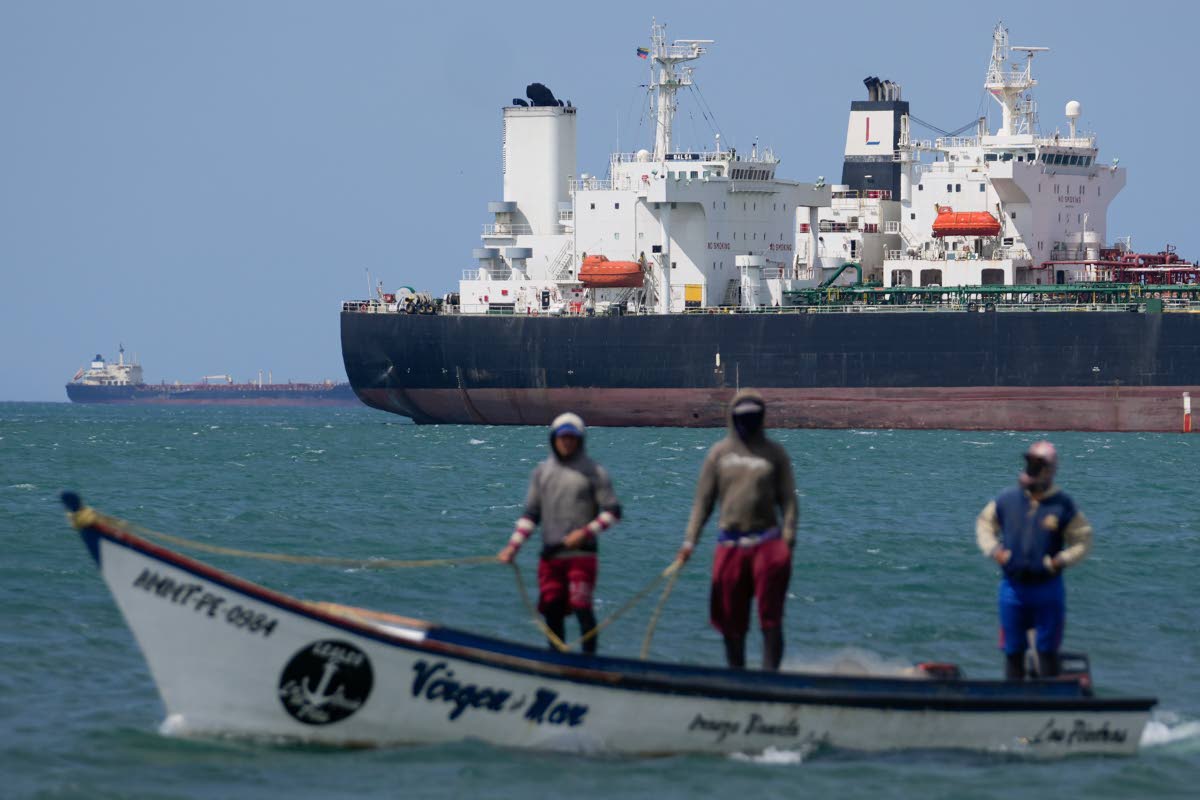 Fishermen pass an oil tanker in the Gulf of Venezuela off the shore of Punta Cardon, Venezuela.
-
 John Mahfood
For more than a century, Jamaica’s economic and social compass has pointed North. In more recent times, the United States has been our primary trading partner, our largest source of visitors, and the land of opportunity for some of our brightest graduates. However, the events of the past year, culminating in policy shifts under the current administration, signal a fundamental change in this alliance.
The most immediate blow is the recent escalation of import tariffs. What began as a 10 per cent global surcharge has now been hiked to 15 per cent. This policy is ostensibly aimed at penalising unfair trade, yet Jamaica consistently runs a massive trade deficit with the US, buying far more from American manufacturers than we sell to them.
The tariff has reduced competitiveness and slowed export growth. The majority of consumer products manufactured in Jamaica and exported to the US target the diaspora, who are on the lower end of the economic ladder with limited ability to afford the increase. Further, the implementation of the one per cent tax on cash remittances under the One Big Beautiful Bill Act targets the lifeblood of the Jamaican economy. Transfers funded by cash, money orders, or cashier’s cheques are taxed while digital bank-linked transfers remain exempt. With over US$3 billion flowing home annually to support our most vulnerable citizens, this tax disproportionately affects poorer households reliant on cash services for food, education, and medicine.
The dismantling of USAID in 2025 ended decades of US support for health, education, and disaster resilience. Jamaican NGOs have reported severe funding shortfalls, threatening programmes for vulnerable populations. The termination of USAID reflects Washington’s broader retreat from global humanitarian leadership which not only saved millions of lives in poor countries but created tremendous goodwill for the US.
Perhaps most devastating is the discontinuance of Jamaica’s five-decade long medical programme with Cuba amid intensifying US pressure. While the Jamaican Government cites technical disagreements, the shadow of Washington’s pressure – labelling these missions human trafficking – is unmistakable. The imminent departure of nearly 300 Cuban medical professionals from our public-health system will leave a tremendous gap that will adversely affect those who cannot afford private healthcare.
While other contributing factors have been cited, US sanctions against Venezuela’s state-owned oil and natural gas company, PDVSA, played a role in the collapse of the PetroCaribe Agreement offering Jamaica and other Caribbean countries oil at discounted prices with deferred payment terms. Jamaica was forced to buy back Venezuela’s 49 per cent stake in Petrojam and forego the benefits of the agreement as well as Venezuela’s commitment to invest millions in upgrading the Petrojam refinery.
The bauxite and alumina sector, a major pillar of Jamaica’s economy, faces uncertainty due to US sanctions impacting UC Rusal, the Russian parent company of Windalco. In 2023, Jamaica exported US$138 million worth of aluminium oxide to Russia, making it a top destination market. The sanctions have adversely affected UC Rusal in terms of its own sourcing of raw materials and international banking arrangements, leaving exports at risk.
FUNDAMENTAL CHANGE
The paradigm shift is clear. Jamaica must pivot to avoid being collateral damage in geopolitical contests. While the US remains the world’s wealthiest nation, its 300 million population is dwarfed by India and China, each exceeding 1.4 billion.
We should look to procurement from China, South Korea, Turkey, and Brazil, where machinery and vehicles are cost-competitive. By sourcing heavy equipment, transportation, and consumer goods from these markets, we can lower costs. We are already seeing that happening now, with the majority of cars, trucks, and forklifts coming from China. Machinery for manufacturing made in China is comparable in quality to the US and Europe, at significantly less cost.
To build resilience, Jamaica must strengthen CARICOM integration to harness collective purchasing power while simultaneously targeting new tourism and export markets in Canada, Europe, and South America. At home, we must safeguard our healthcare system by retaining Cuban medical professionals through direct contracts or citizenship pathways even as we invest in training our own doctors and nurses to secure long-term sovereignty.
Financial resilience will hinge on accelerating the use of digital wallets and bank-to-bank transfers to bypass the US cash remittance tax alongside encouraging fintech adoption to stabilise household finance.
Jamaica stands at a crossroads. The shocks of tariffs and withdrawal of aid have revealed the fragility of our dependence on Washington. Yet within this moment of uncertainty lies an opportunity: to reimagine our future on our own terms.
We are a resilient people. Our history is one of overcoming adversity, of turning limited resources into cultural and economic strength. The same spirit that built reggae, sprinted past the world’s fastest, and carried our flag proudly across continents must now be harnessed to build economic independence.
This is not simply about trade balances or remittance flows. It is about the dignity of our people. It is about ensuring that our farmers, nurses, teachers, and our children are not at the mercy of decisions made thousands of miles away. It is about protecting the lifeblood of our economy and the soul of our nation.
Jamaica’s survival will not be secured by waiting for Washington’s mood to change. It will be secured by forging new pathways, investing in our people, and believing in our own capacity to thrive. The road forward demands courage, but that is something Jamaicans have never lacked.
John Mahfood is business leader and philanthropist. Send feedback to columns@gleanerjm.com