Julian Robinson | We can’t tax our way out of a slowdown
Loading article...
-
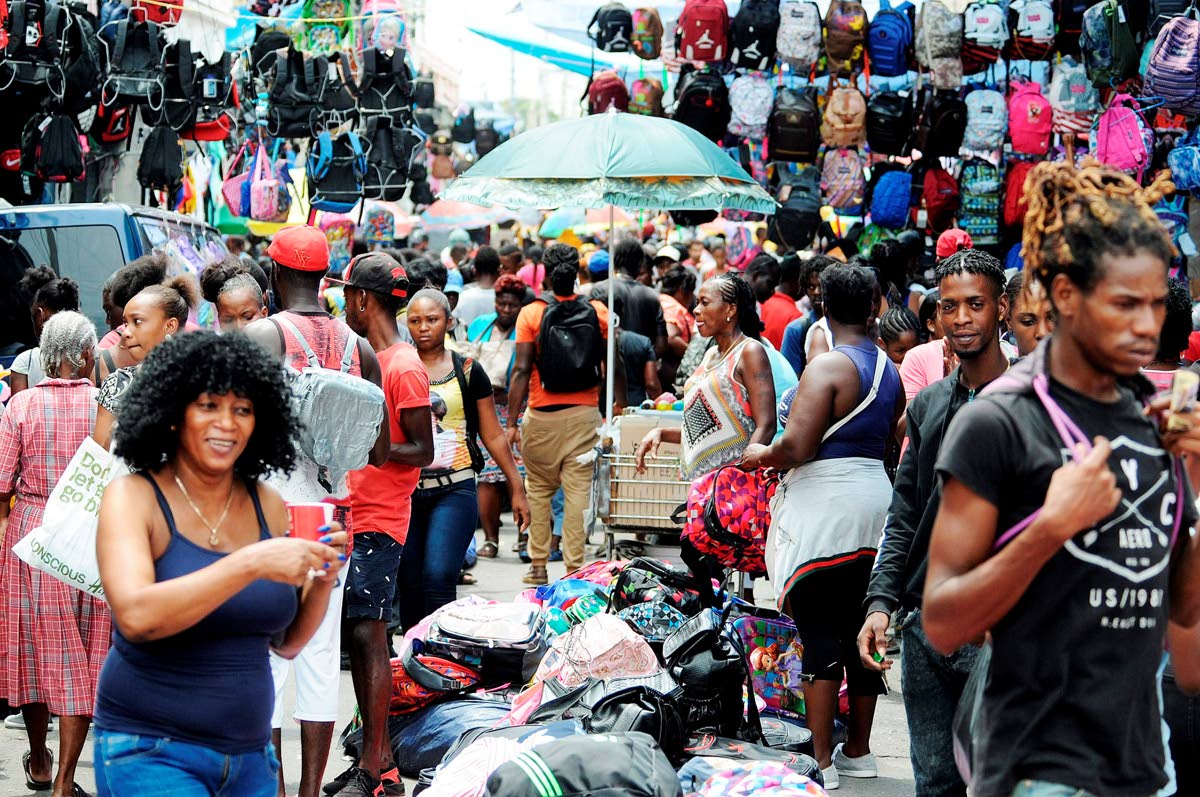 Ronald Thwaites writes: We are a follow-fashion people, and the model put before our children and all of us is that the supreme objective of life is to have my way and gain my advantage whoever else have to get jook. File
-
Ronald Thwaites writes: We are a follow-fashion people, and the model put before our children and all of us is that the supreme objective of life is to have my way and gain my advantage whoever else have to get jook. File
-
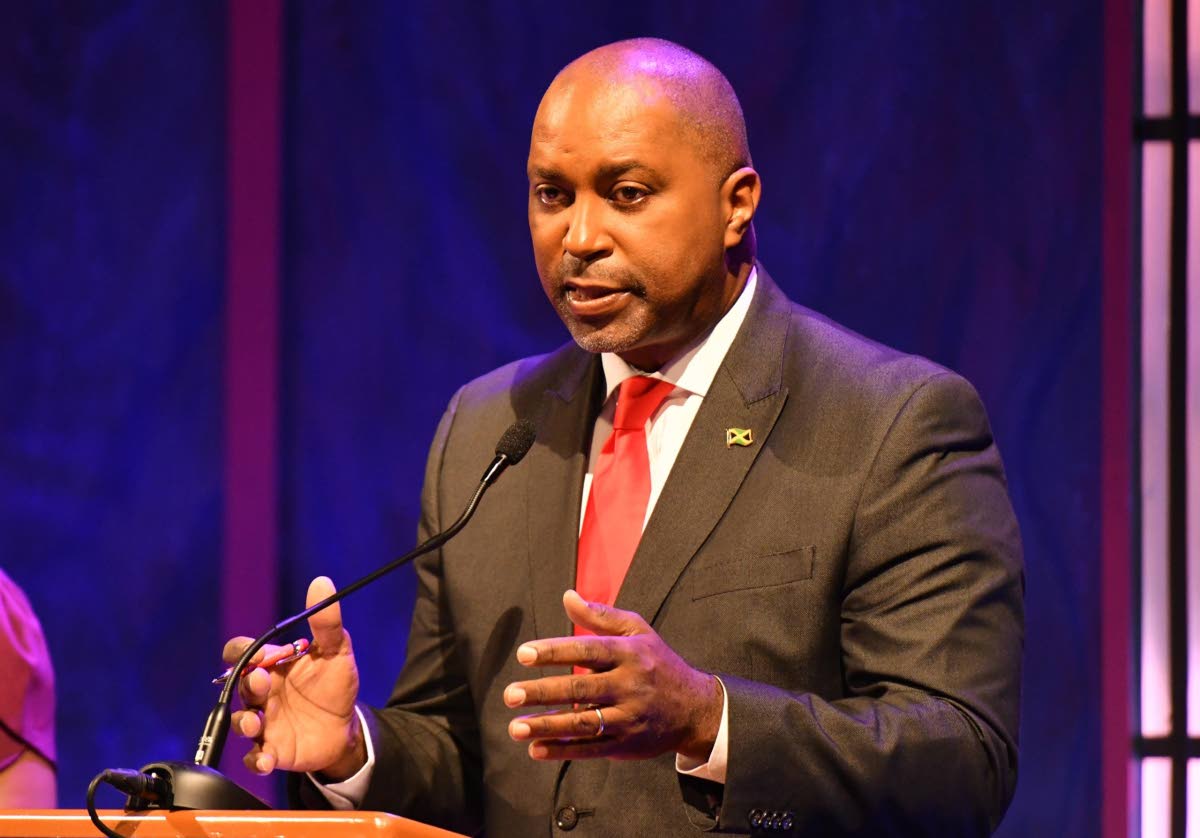 Opposition Spokesperson on Finance Julian Robinson. File
At a time when Jamaicans are still rebuilding their lives, this budget asks them to carry more. That, ultimately, is the issue. Not whether the Government needs revenue. Not whether the fiscal accounts must be managed carefully. Those are givens.
The real question is whether, in this moment of economic fragility, increasing the burden on the Jamaican people is the right course. The answer must be no.
Jamaica is not operating from a position of strength. The country is still recovering from the shock of Hurricane Melissa, which disrupted livelihoods, destroyed homes, and weakened already fragile economic activity. At the same time, global uncertainty, rising oil prices, and persistent cost pressures continue to affect the price of basic goods across the island. In such a context, economic policy must be carefully calibrated. It must support recovery, not suppress it. Yet the approach taken in this Budget moves in the opposite direction.
The Government has presented its revenue measures as necessary, largely within the context of post-hurricane recovery. But the reality is that the revenue pressures facing the country did not begin with Melissa. They existed before. This was evident in the years leading up to the hurricane when future revenues from Jamaica’s major international airports were securitised to finance current expenditure. That decision pointed to a structural fiscal gap. Melissa did not create that gap. It exposed it.
Instead of addressing that structural issue at its root, the response has been to place additional pressure on Jamaicans. There is another way.
If well executed and taken together, reforms to strengthen tax administration and compliance could yield additional revenue of close to two per cent of GDP annually. Over five years, that represents a fiscal space of approximately 10 per cent of GDP. This is not incremental reform. It is a meaningful expansion of fiscal capacity, achieved not by increasing the tax burden, but by improving how the system functions.
DOESN’T CONSISTENTLY COLLECT
The challenge is not that Jamaicans are undertaxed. The challenge is that the system does not consistently collect what is already due. Gaps in compliance, inefficiencies in reporting, and limitations in enforcement continue to result in undercollection. Without a fully implemented electronic invoicing system, transactions are often captured after the fact, leaving room for discrepancies and incomplete reporting. A modern system would record transactions in real time, improving accuracy and significantly strengthening compliance. Countries that have adopted such systems have seen measurable increases in revenue without raising tax rates.
This is how sustainable fiscal space is created. It is also how additional pressure on households can be avoided. Because in practice, the burden of these measures does not remain with importers or producers. It is passed on. To consumers. To families already managing higher food prices, transportation costs, and utility bills. To small-business operators still working to recover. To pensioners navigating a fixed income in an increasingly expensive environment. These are the Jamaicans who will feel it most, and that is why timing matters.
At this stage of the economic cycle, increasing taxes is a procyclical response. It reinforces the slowdown rather than counteracts it. When businesses are earning less, and households are spending less, extracting more from the system does not strengthen it. It weakens it further. What is required instead is a countercyclical approach, one that supports economic activity, encourages investment, and allows the tax base to recover and expand.
A growing economy generates revenue while a constrained one does not.
HARD DECISIONS
Jamaica has faced difficult fiscal periods before and has taken hard decisions when necessary. Those decisions were made in extraordinary circumstances, with the clear objective of restoring stability and credibility. That work was done. It laid the foundation for the macroeconomic stability the country now enjoys.
The task now is different. It is not about crisis management. It is about building on that foundation to create growth, resilience, and opportunity. That requires a shift in approach, away from increasing burdens and towards improving efficiency.
It requires a focus on strengthening compliance, modernising tax administration, and making better use of data and technology. It requires being smarter in how the existing system is utilised rather than defaulting to measures that place additional strain on those least able to absorb it.
The Government itself has acknowledged the broader economic challenges facing Jamaica, including global uncertainty and climate vulnerability. These realities demand thoughtful, forward-looking policy responses. A budget must reflect that level of thinking.
Ultimately, this is a question of direction. One path relies on increasing the burden on Jamaicans at a time of vulnerability. The other focuses on reform, efficiency, and growth. Jamaica has the capacity to choose the latter because the country cannot tax its way out of a slowdown, but it can grow its way out of one.
Julian Robinson is the opposition spokesperson on finance and the member of parliament for South East St Andrew. Send feedback to julianjrobinson@yahoo.com.