Shari-Ann Henry | Body-worn cameras: Protecting lives, preserving truth, and demanding accountability
Loading article...
-
-

Shari Ann Henry
The death of Latoya Bulgin in St James on May 18 has, once again, forced an uncomfortable national conversation: when an unarmed civilian dies during a police operation, are we looking at a lawful use of force, an extrajudicial killing, or murder? The question is painful. It is politically charged. Yet it is precisely the kind of question that a democratic society governed by the rule of law must be willing to ask.
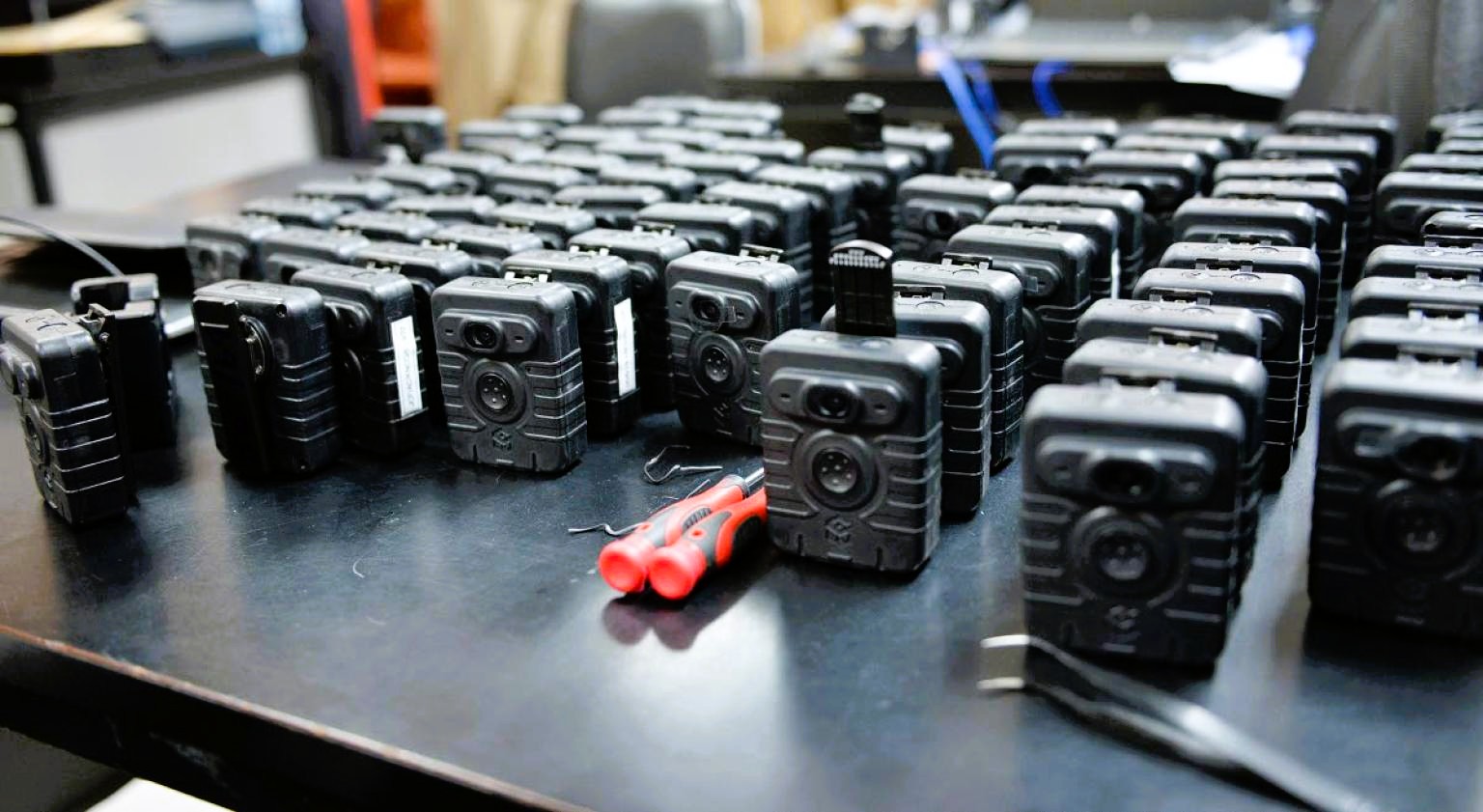
No one disputes that Jamaica has a serious crime problem. Our police officers confront heavily armed gunmen, violent gangs, and extraordinarily dangerous situations daily. Many officers risk their lives in defence of public safety. But accountability and public safety are not opposing ideas. They are inseparable. A society cannot demand respect for law from citizens while simultaneously resisting transparency from those entrusted to enforce it. That is why body-worn cameras are no longer optional in modern policing. They are essential.
Recent comments by Minister of National Security Dr Horace Chang have sparked justified concern. In an interview with the Jamaica Observer, the minister dismissed the idea of officers wearing body cameras during planned operations against armed suspects. He argued that officers searching for a gunman at 3 a.m. cannot reasonably be expected to wear cameras because such operations are dangerous. However, that position misses the central point. The very operations where deadly force is most likely to be used are precisely the situations where objective evidence is most necessary.
If an operation is planned at 3 a.m. in search of a dangerous suspect, and shots are fired, at what point will the evidence from the camera become important? Only after someone is dead? Only after a public outcry? Only after the police and civilians provide conflicting accounts? The logic is backwards. Cameras are not merely for low-risk road checks and entertainment events. They are most critical in life-or-death encounters where the truth may later be disputed.
International experience overwhelmingly supports this reality. Former Deputy Commissioner of Police Mark Sheilds correctly pointed out that tactical units in jurisdictions such as London, New York, Chicago, and Los Angeles use body-worn cameras during high-risk operations. There is no credible evidence that cameras themselves create meaningful operational danger. Modern cameras include stealth modes and compact tactical designs. The issue is not technological impossibility. It is political and institutional will.
More importantly, Jamaica’s obligations under international human rights law demand accountability mechanisms where state force may result in death. Jamaica is a party to the United Nations International Covenant on Civil and Political Rights (ICCPR). Article 6 protects the right to life and requires states to ensure that arbitrary deprivation of life does not occur. Article 14 guarantees the right to a fair hearing and due process. Jamaica is also party to the International Covenant on Economic, Social and Cultural Rights (ICESCR), which recognises the inherent dignity of the human person. Human dignity does not disappear because someone is accused of a crime or labelled a gunman.
Our own Constitution reflects these principles. The Charter of Fundamental Rights and Freedoms (Jamaica) guarantees the right to life, liberty, security of the person, and protection of the law. Constitutional democracy requires more than trusting authority blindly. It requires systems capable of verifying truth independently. Body-worn cameras serve exactly that constitutional purpose. They protect civilians from abuse. They also protect honest officers from false allegations.
In my own experience working in criminal law in Canada, I have seen cases where inconsistencies captured on body-worn camera footage were enough to undermine police credibility and render search-and-seizure evidence inadmissible. That is not anti-police. That is the justice system functioning properly. Courts are not designed to accept evidence uncritically simply because it comes from law enforcement. Objective evidence matters.
This is where the Evidence Act (Jamaica) becomes critically important. Digital recordings, video evidence, and electronic records increasingly play central roles in criminal proceedings. Body-worn camera footage can corroborate officer testimony, clarify disputed facts, establish timelines, preserve statements made at the scene, and demonstrate whether force used was proportionate and lawful.
Without cameras, courts are often left with irreconcilable versions of events: the police narrative, the civilian narrative, and no independent evidence. That uncertainty weakens prosecutions, undermines public trust, and fuels suspicion about extrajudicial killings.
The irony is that body-worn cameras are one of the strongest tools available to support lawful police conduct. If officers act properly, the footage can exonerate them immediately. If force was justified, the public deserves to see that. If it was not justified, accountability must follow. Truth cannot depend solely on institutional loyalty or public emotion.
Too often, suspects are casually described as “animals” as though criminal suspicion somehow strips a person of humanity. It does not. Respect for human dignity is not a reward for innocence. It is a constitutional principle owed to every person.
No one is suggesting that police officers should hesitate to defend themselves against deadly threats. But where lethal force is used, transparency must follow automatically. We cannot continue to pay lip service to justice while resisting the very tools capable of revealing the truth.
The tragic death of Latoya Bulgin should not become just another headline consumed and forgotten. It should force Jamaica to confront a deeper national question: o we want policing based purely on institutional trust, or policing strengthened by objective accountability?
Because accountability does not weaken public safety. It strengthens it.
And body-worn cameras may be one of the most important instruments Jamaica has to protect both lives and truth.
Shari-Ann Henry is an Ontario-based Barrister and Solicitor and Justice of the Peace in Jamaica. She is the former junior shadow spokesperson on justice