What is depression?
Loading article...
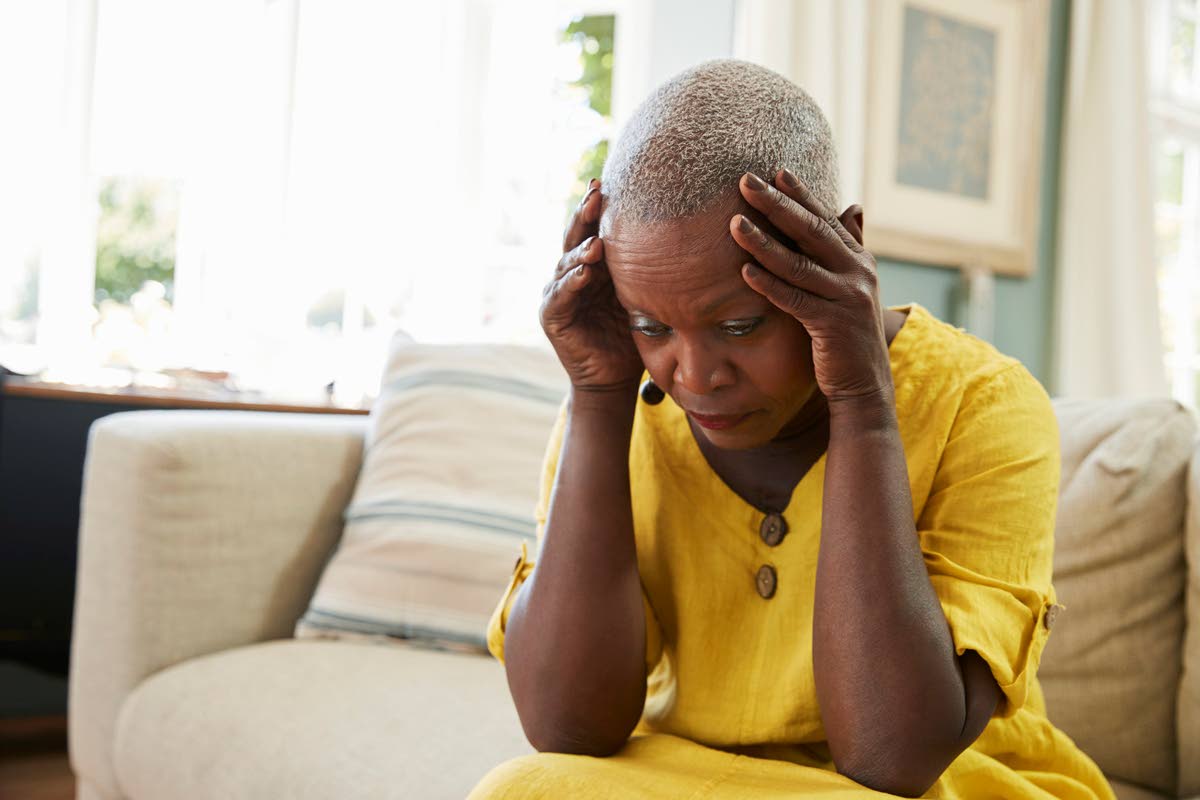
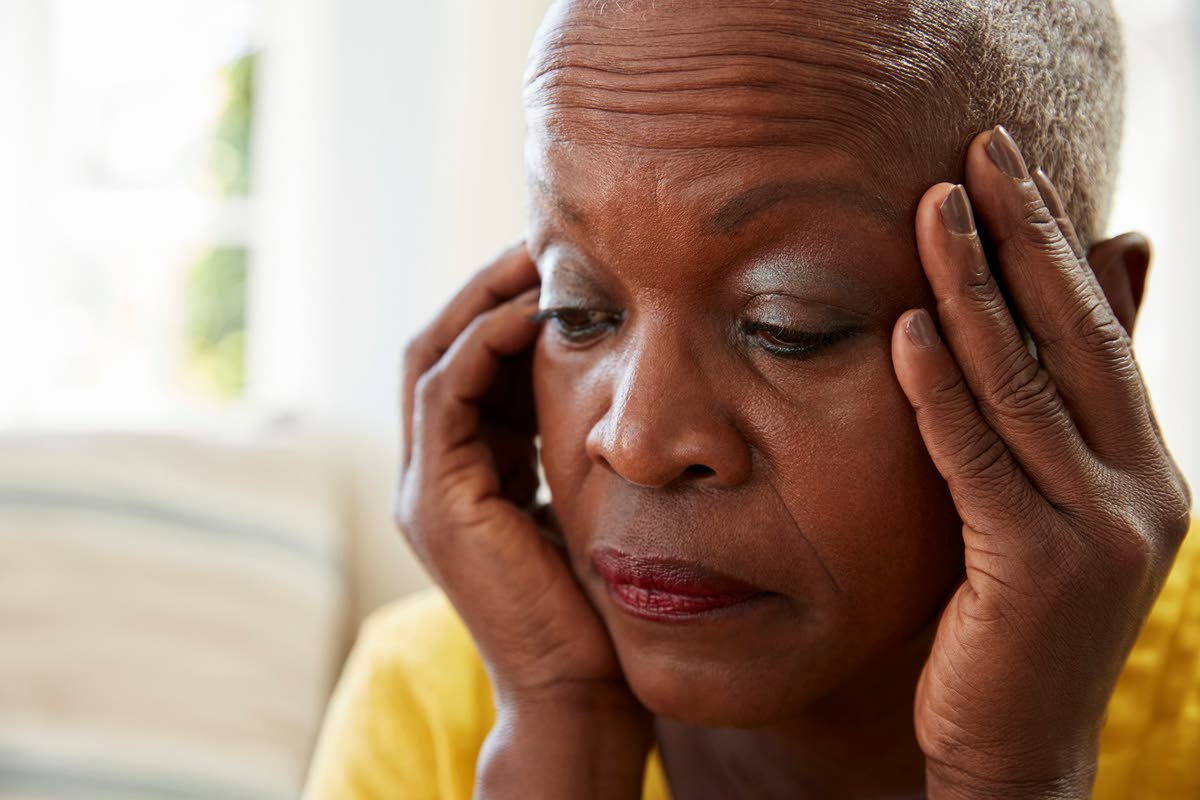
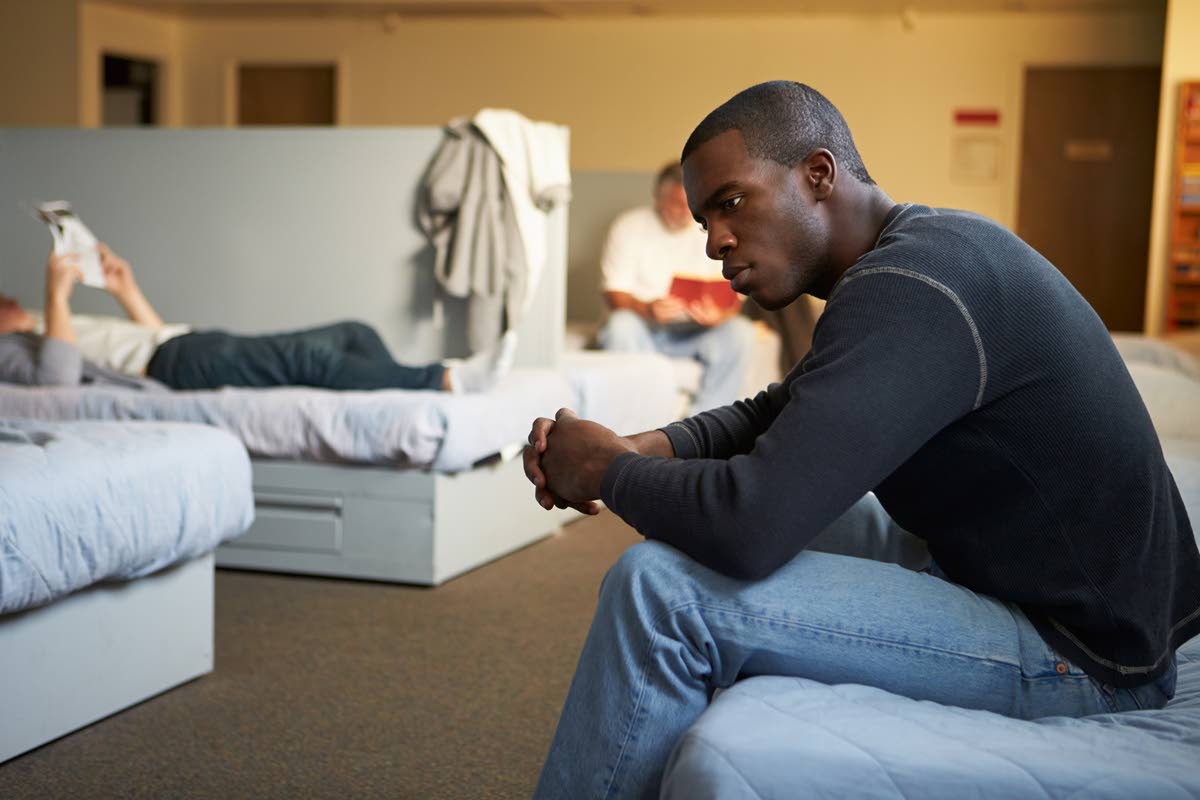
Depression is more than just sadness, it is a medical condition that affects mood, thinking, behaviour, and physical health. The World Health Organization defines depression as a leading cause of disability worldwide, affecting an estimated one in eight people globally. Even with effective treatments available, many people remain undiagnosed or untreated due to stigma and barriers to support.
In Jamaica, depression is a significant public health issue. According to the Jamaica Health and Lifestyle Survey, approximately 14.3 per cent of Jamaicans aged 15 and older have depression, about one in seven adults, with higher rates observed in women (18.5 per cent) than men (9.9 per cent).
Regional data from the Caribbean Public Health Agency (CARPHA) indicate that one in four adults in the Caribbean has a diagnosable mental health condition, and depression and anxiety account for roughly 50 per cent of these disorders. Yet crucially, about 60 per cent of affected individuals never receive treatment, and in some countries, untreated rates exceed 90 per cent.
These numbers suggest that while depression affects a large portion of the population, many people remain unsupported, especially in communities where mental health services are scarce or stigma is high.
Clinically, depression, also called major depressive disorder, is characterised by a persistent feeling of sadness or loss of interest or pleasure in activities that used to be enjoyable. It affects how a person feels, thinks, and functions day to day. It is not simply “feeling down,” but a sustained change in mood and behaviour that can disrupt work, relationships, sleep, appetite, and physical health.
Depression can be triggered by a combination of biological, psychological and social factors, including trauma, chronic stress, bereavement, or underlying health conditions.
Although depression is often thought of as an emotional condition, it commonly produces physical symptoms that can be just as debilitating:
• Changes in appetite and weight, either reduced appetite and weight loss, or increased cravings and weight gain.
• Sleep disturbances, trouble falling asleep, frequent waking, or sleeping too much.
• Fatigue and low energy make even simple tasks feel exhausting.
• Restlessness or slowed movements, a sense of agitation, or conversely, slowed thinking and activity.
• Physical aches and pains, such as headaches, digestive problems, and muscle pain without a clear medical cause.
These physical signs often lead individuals to seek help from general practitioners first, unaware that emotional distress may be driving their symptoms.
A DOCTOR’S PERSPECTIVE
Local physicians emphasise that depression can affect anyone, regardless of age, gender, or background. Many people confuse depression with normal sadness, but doctors note several key differences: depression persists most of the day, nearly every day, and significantly interferes with daily life.
Primary care providers in Jamaica are encouraged to screen patients for depressive symptoms, especially those with chronic illnesses. However, research suggests that few doctors routinely screen for depression, and many feel under-trained to manage it. This gap highlights the need for stronger integration of mental health into primary care.
Depression is treatable, and early intervention leads to better outcomes.
1. Professional Support
Seeing a healthcare provider is the first step. A doctor can assess symptoms and may refer patients to psychiatrists, psychologists, or counsellors. Treatment plans typically combine therapy and, if needed, medication.
2. Psychotherapy
Talk therapy, such as cognitive behavioural therapy (CBT), helps individuals understand patterns of thinking and develop coping strategies.
3. Medication
For moderate to severe depression, antidepressants can be effective. A qualified doctor or psychiatrist monitors medications and adjusts as needed.
4. Lifestyle Factors
Physical activity, good sleep, healthy eating, and social support all play a role in managing depression. Exercise programmes have been shown to help reduce mild-to-moderate depressive symptoms when part of a comprehensive care plan.
5. Community and Support Networks
Reaching out to trusted friends, family members, or community supports can reduce isolation and encourage ongoing engagement with care.
Despite the availability of effective treatments, barriers remain. Stigma prevents many from seeking help; others face limited access to services in rural or under served areas. Cost can also be a hurdle for therapy or ongoing treatment.
Because of these barriers, many Jamaicans and other Caribbean residents go untreated, even though recovery is possible with appropriate support.
If you or someone you know is struggling:
• Start with a family doctor or clinic and discuss your symptoms openly.
• Request a mental health referral if needed.
• Community clinics and public health services can connect you with counselling or psychiatric support.
Breaking silence and seeking help is a strength, not a weakness. Depression is a health condition, not a personal failing and with treatment and support, many people regain hope, functionality, and quality of life.
Source - PAHO
keisha.hill@gleanerjm.com