Insulin and Type 2 diabetes – understanding the silent crisis
Loading article...
-
 Dr Orlando Thomas
-
Dr Orlando Thomas
-

-
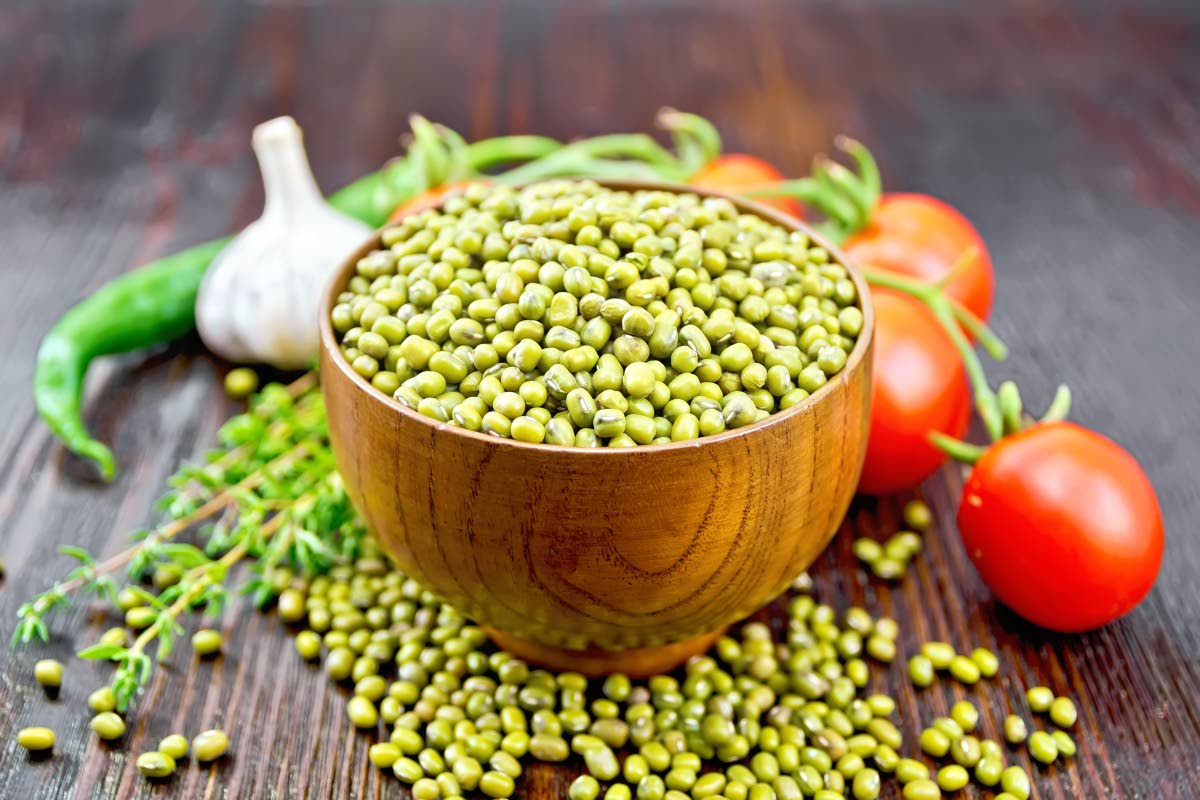 Reduce processed sugars and refined carbohydrates while increasing whole foods, fibre, and healthy fats. Photo - kostrez
Type 2 diabetes continues to emerge as one of the most pressing health challenges in Jamaica and across the Caribbean, driven by lifestyle changes, genetic predisposition, and limited early intervention. At the centre of this condition lies one critical hormone, insulin; and according to functional medicine practitioner Dr Orlando Thomas, understanding how insulin works is key to prevention, management, and even reversal.
Insulin is a hormone produced by the pancreas that allows glucose (sugar) from the bloodstream to enter cells, where it is used for energy. When this system functions properly, blood sugar levels remain balanced.
However, in Type 2 diabetes, the body becomes resistant to insulin, a condition known as insulin resistance. This results in elevated blood sugar levels, which over time can damage organs, blood vessels, and nerves.
“Insulin is not the enemy, insulin resistance is. When the body stops responding properly to insulin, sugar builds up in the blood instead of fueling the cells,” Dr Thomas said.
The data paints a concerning picture. According to international and regional health authorities, approximately 12.5 per cent of Jamaican adults are living with diabetes, representing over 235,000 people
Across the Caribbean, diabetes prevalence averages around nine per cent, with higher rates in some populations
The Pan American Health Organization (PAHO) reports that diabetes cases in the Americas have more than tripled in the last 30 years, reaching at least 62 million people. Alarmingly, about 40 per cent of people with diabetes are unaware they have the condition.
In Jamaica, non-communicable diseases (NCDs), including diabetes, account for roughly 70 per cent of all deaths. These figures underscore a growing public health crisis, reinforced by the Ministry of Health and Wellness (MOHW) and PAHO, both of which continue to prioritise diabetes prevention and control as part of national NCD strategies.
Insulin resistance develops gradually and is often driven by diets high in refined carbohydrates and sugars, sedentary lifestyles, chronic stress and excess body fat, particularly around the abdomen.
“When we constantly spike blood sugar with processed foods, the body produces more insulin. Over time, the cells become less responsive, this is the beginning of Type 2 diabetes,” he said.
He adds that many individuals may be living in a pre-diabetic state for years without knowing it.
Before a diagnosis of diabetes, the body often sends warning signals. These include persistent fatigue, increased thirst and frequent urination, blurred vision, slow wound healing, unexplained weight gain or difficulty losing weight.
“Pre-diabetes is the window of opportunity. This is where intervention can change the trajectory completely,” Dr Thomas said.
Dr Thomas advocates for a holistic, lifestyle-based approach to managing and reversing insulin resistance, often within a structured period such as 90 days.
His approach focuses on:
1. Nutrition Reset
Reducing processed sugars and refined carbohydrates while increasing whole foods, fibre, and healthy fats. “Food is either driving disease or reversing it. There is no neutral ground.”
2. Physical Activity
Regular exercise improves insulin sensitivity and helps muscles utilise glucose more effectively.
3. Stress Management
Chronic stress elevates cortisol, which can worsen insulin resistance.
4. Sleep Optimisation
Poor sleep disrupts hormonal balance and blood sugar regulation.Jamaica’s health authorities, supported by PAHO, continue to emphasise prevention as a key strategy in reducing the burden of diabetes. Public health initiatives are increasingly focused on:
• Promoting healthy eating and physical activity
• Encouraging early screening and diagnosis
• Strengthening primary healthcare systems
• Increasing public awareness around NCDs
Dr Thomas aligns with this preventive approach. “We cannot medicate our way out of a lifestyle disease. Education and daily habits are the real medicine,” he said.
Type 2 diabetes is often viewed as a lifelong condition, but emerging research and clinical practice suggest that early intervention, particularly targeting insulin resistance, can significantly alter outcomes.
“The body has an incredible ability to heal when given the right conditions, but we have to act early and consistently,” he said.
As diabetes rates continue to climb across Jamaica and the wider Caribbean, awareness, prevention, and lifestyle change are critical. Understanding insulin is not just a medical concept, it is a gateway to better health, longer life, and improved quality of living. “When we understand how the body works, we are better equipped to protect it,” he said.
keisha.hill@gleanerjm.com