Health | Train your body to burn fat more efficiently
Loading article...
-
 Photo - AG Guest Guest
-
Photo - AG Guest Guest
-
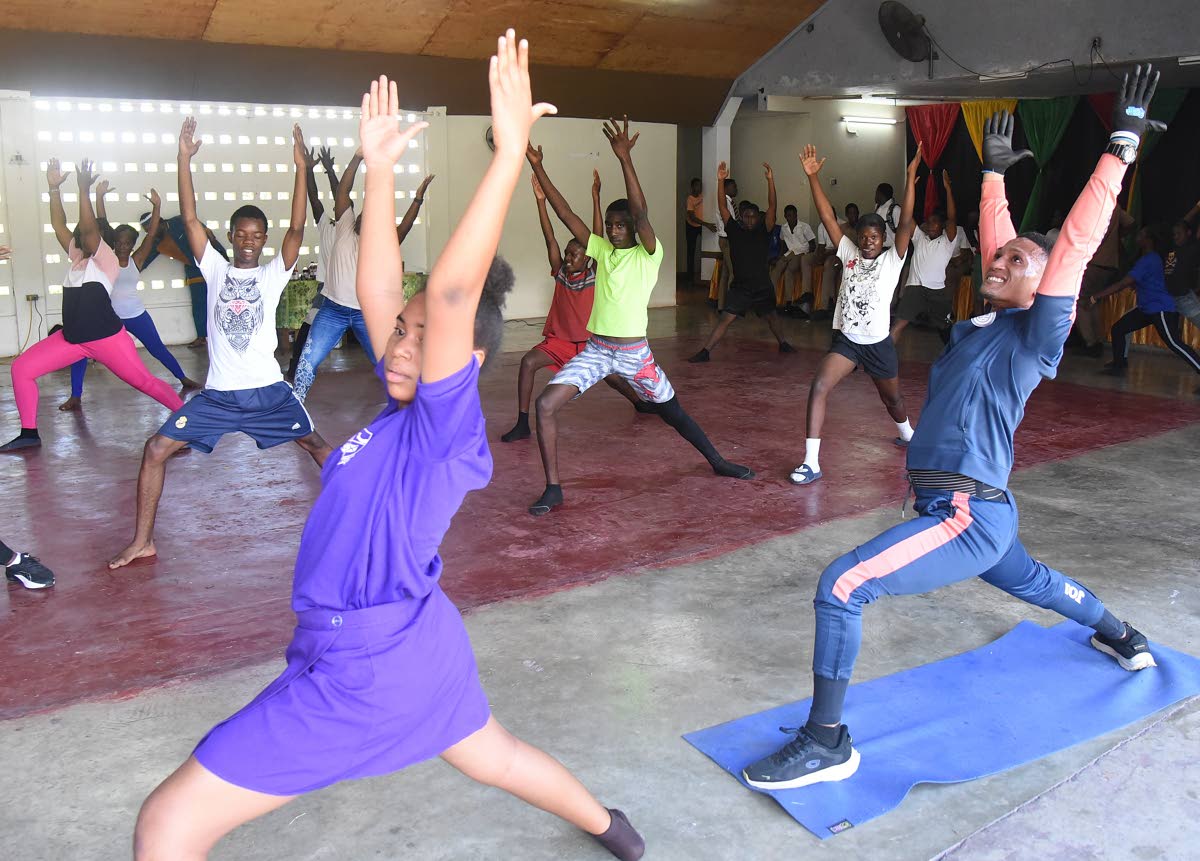 Teachers and students of Haile Selassie High School learnt stretching and yoga techniques during Selassie Moves Day as part of Haile Selassie High School Spirit Week where the students are taught how to eat right and exercise. Photo - Ian Allen
-
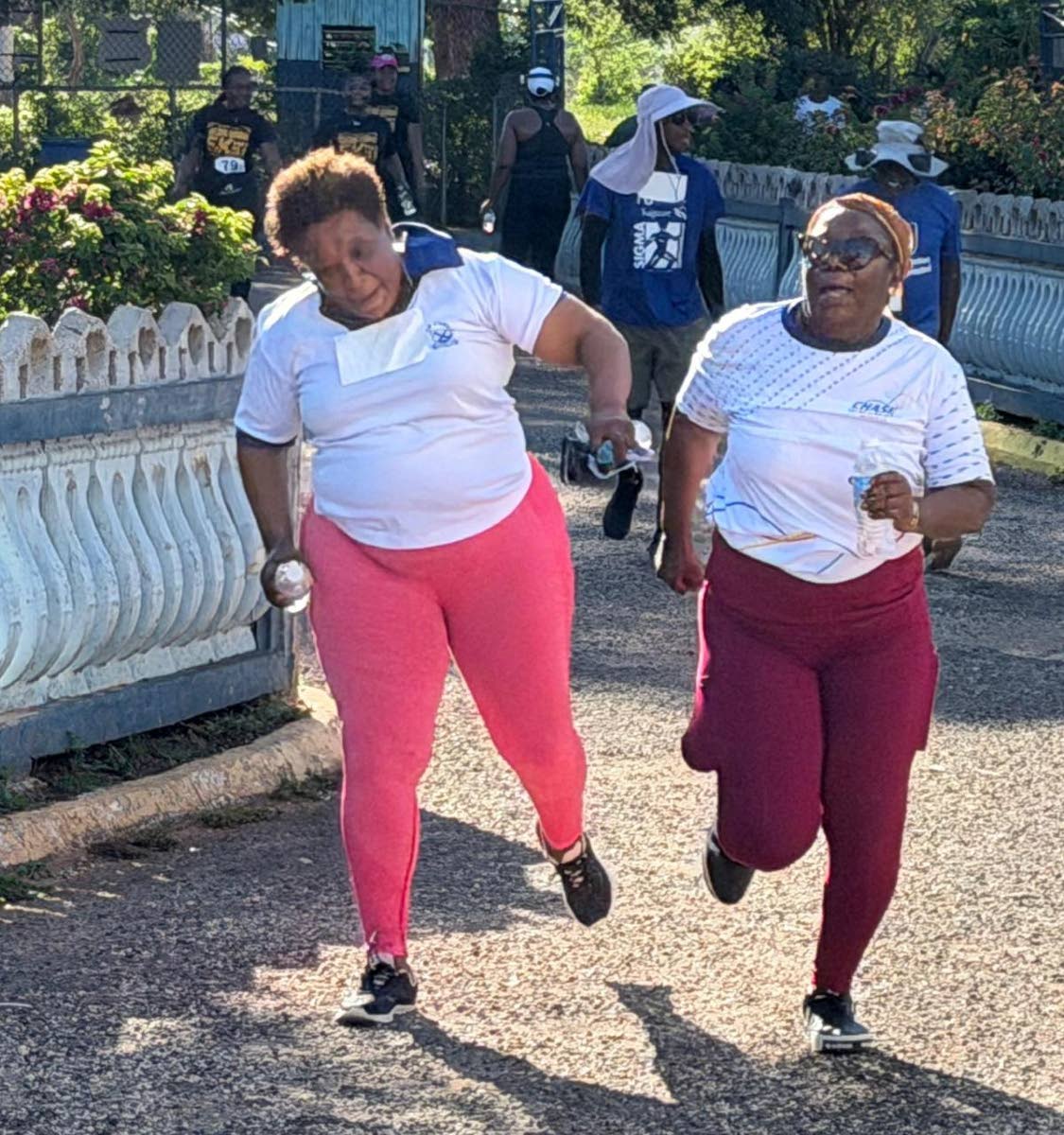 Photo - Antoine Lodge
For years, the language of weight loss has focused heavily on one question: How can I lose weight quickly? But a healthier approach asks a different question: How can I help my body become healthier and more efficient at using energy?
According to Dr Orlando Thomas, the answer is not found in a single food, exercise or ‘fat-burning’ product. Sustainable fat loss is built through a combination of nutrition, physical activity, muscle development, recovery and, when appropriate, medical support.
The body’s metabolism is the system through which it converts and uses energy. While people often talk about ‘boosting’ or ‘resetting’ metabolism, there is no simple switch that suddenly makes the body burn large amounts of fat. Instead, healthy habits can influence energy balance, body composition and metabolic health over time.
“Fat loss should not be viewed as a quick race,” Dr Thomas explains. “The objective is to create habits that allow the body to function better while producing results that a person can maintain.”
Physical activity is one of the most important pieces of the puzzle. The Centers for Disease Control and Prevention (CDC) recommends that adults get at least 150 minutes of moderate-intensity aerobic activity each week, or 75 minutes of vigorous activity, along with muscle-strengthening activities, on at least two days each week.
That does not necessarily mean spending hours in a gym. Brisk walking, cycling, swimming, dancing and other activities that raise the heart rate can contribute to energy expenditure. The key is finding activities that are realistic enough to become part of everyday life.
“People sometimes think exercise only counts if they are sweating heavily in a gym. Dr Thomas said. “Movement is movement. The important thing is to become consistently more active and then gradually challenge your body.”
Do not overlook muscle. If the goal is to change body composition, cardio should not be the only focus.
Resistance training, using weights, resistance bands or body-weight exercises, helps build and maintain muscle. The American College of Sports Medicine’s 2026 resistance-training guidance found that consistency matters more than complicated programmes, and that a variety of approaches can produce meaningful improvements in muscle strength and physical function.
This is particularly important during weight loss because the goal should ideally be to reduce excess fat while preserving as much lean tissue as possible. That means exercises such as squats, lunges, rows, presses and other resistance movements can have an important place in a well-rounded programme.
“You don’t have to become a bodybuilder. However, you do want to give your muscles a reason to stay strong,” he said.
Food is part of the equation. Exercise alone cannot compensate indefinitely for an eating pattern that consistently provides more energy than the body needs.
The National Institute of Diabetes and Digestive and Kidney Diseases recommends a sustainable eating pattern that includes vegetables, fruits, whole grains and protein sources such as lean meats, seafood, eggs, beans, peas, lentils, nuts and seeds.
Rather than eliminating entire food groups or following extreme diets, the focus should be on making better choices that can realistically be maintained. That might mean replacing sugary drinks with water, increasing vegetables and fibre-rich foods, choosing appropriate portions and including protein with meals.
“The question is not simply, ‘What can I stop eating? We should also ask, ‘What can I add to my diet that will nourish my body and help me maintain the changes I am making?’
Your daily movement matters too. A workout can last 30 or 60 minutes, but the body is active, or inactive for the rest of the day. Walking more, taking the stairs, doing household chores, standing periodically during the workday and generally reducing prolonged sitting can all contribute to daily energy expenditure.
This is particularly useful for people who struggle to fit lengthy workouts into their schedules. The goal is to make movement part of the lifestyle rather than treating exercise as punishment for eating.
Sleep and stress belong in the conversation. Weight management is also influenced by factors beyond diet and exercise.
The CDC notes that healthy weight management includes healthy eating, physical activity, sufficient sleep and stress management. Medicines, medical conditions, hormones, genetics, age and environment can also influence weight.
That means someone who is exercising regularly but consistently sleeping poorly or experiencing significant stress may need to look at the bigger picture. “Your body doesn’t operate in separate compartments. Nutrition, movement, sleep and stress all interact. We have to look at the whole person.”
One of the biggest misconceptions about fat loss is that there is a single trick that can dramatically accelerate the process. In reality, sustainable weight management is usually much less glamorous, and much more effective. It is about repeatedly making healthy choices.
The CDC notes that people who lose weight gradually, at about one to two pounds per week, are more likely to maintain the loss than those who lose weight more rapidly. Success should also not be measured solely by the bathroom scale.
A person may become stronger, have more energy, improve their fitness, sleep better and develop healthier eating habits even when the scale does not move dramatically from week to week.
“It’s not just about losing weight. It’s about becoming healthier, having more energy, feeling stronger, and developing a lifestyle that you can actually live with,” he said.
Ultimately, there is no magic exercise that forces the body to burn fat indefinitely. There is, however, a more sustainable formula: move consistently, build muscle, eat well, recover properly, and address the factors that may be working against your health.
keisha.hill@gleanerjm.com