No one fights alone - Why early action and support matter in the breast cancer fight
Loading article...
-
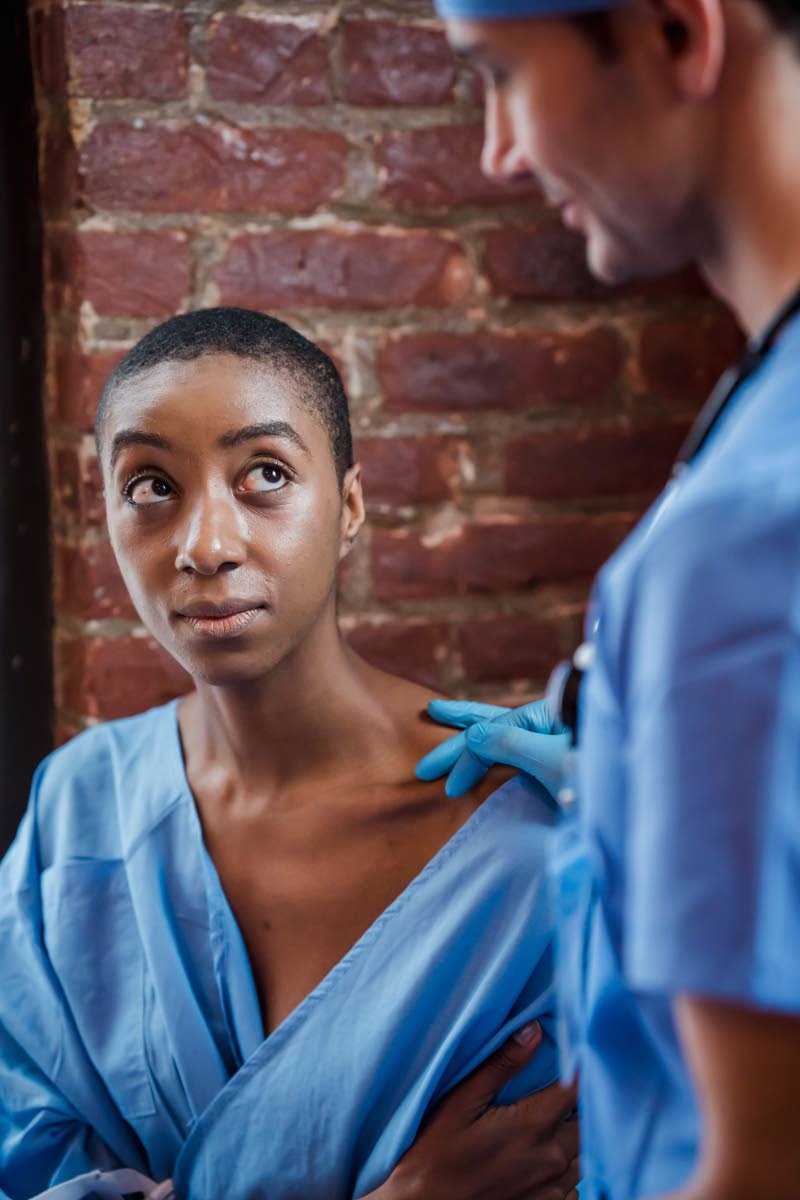 Photo - pexels.com
-
Photo - pexels.com
-
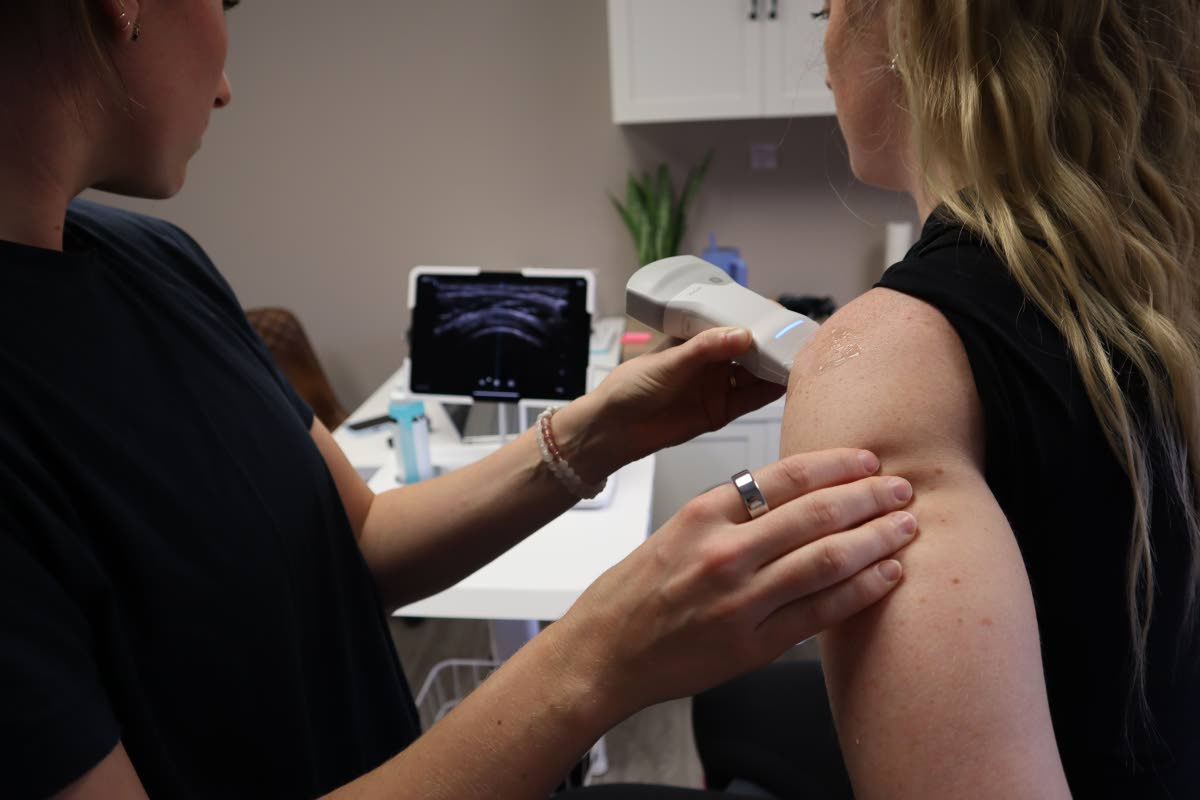 Photo - pexels.com
-
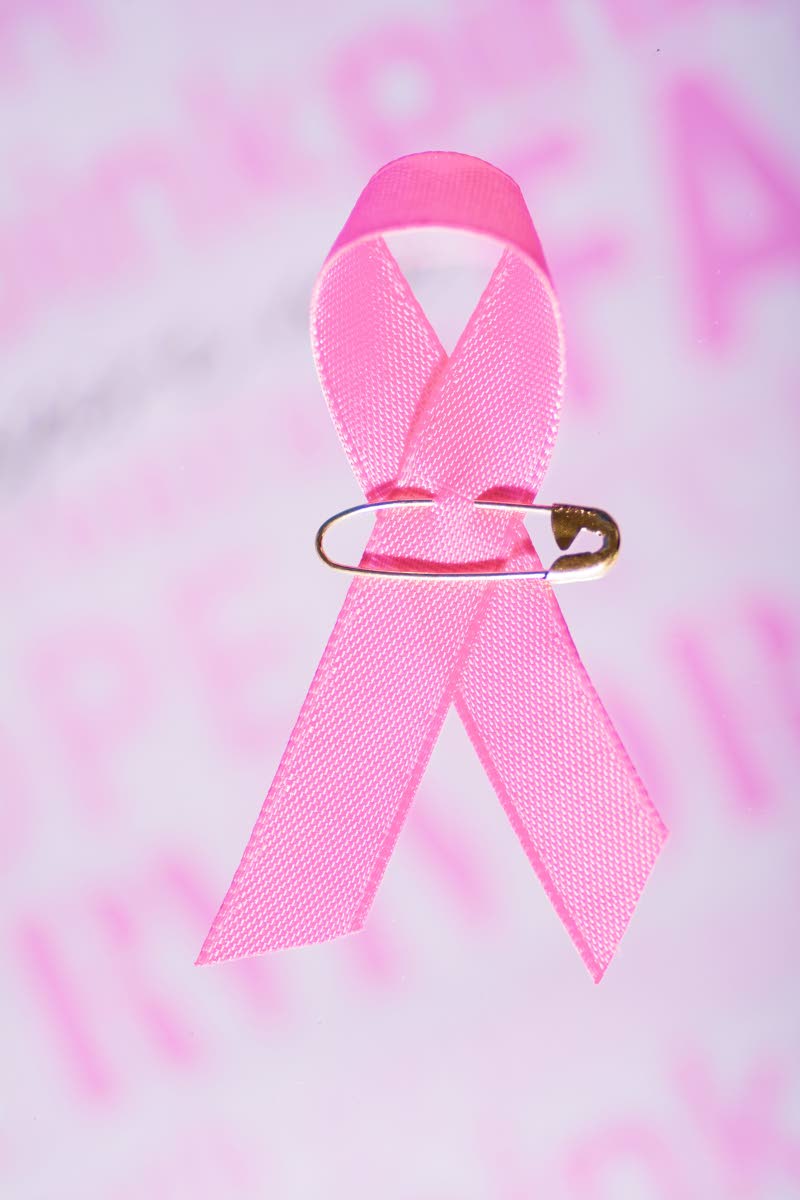 Photo - pexels.com
Breast cancer does not begin and end with a diagnosis. The journey can involve fear, delayed screening, costly investigations, treatment, emotional strain and the challenge of balancing family and work responsibilities while fighting a disease that remains the leading cause of cancer-related death among Jamaican women.
That reality is putting renewed focus on the message behind this year’s Breast Cancer Awareness Month: women should not wait until something feels wrong before taking action, and no one should have to face cancer alone.
In Jamaica, 1,327 new breast cancer cases were recorded among women in 2022, representing about 35 per cent of all female cancers, according to Global Cancer Observatory data cited by the Jamaica Cancer Society (JCS). The same year, 684 women died from the disease.
More recent figures from the Ministry of Health’s Population Health Status Report show that breast cancer remains the leading cause of cancer-related death among Jamaican women. In 2023, 299 women died from breast cancer, equivalent to a mortality rate of 32.3 deaths per 100,000 women.
Against that backdrop, the Jamaica Cancer Society and Jamaica Reach to Recovery are using October to push two interconnected messages: check early and support each other through the journey.
SEEK SCREENING
Roshane Reid-Koomson, executive director of the Jamaica Cancer Society, has repeatedly stressed that screening is one of the most important tools in the fight against breast cancer.
“Early-stage cancers are usually easier and less costly to treat, with much better outcomes,” Reid-Koomson said in comments earlier this year, warning that late-stage diagnosis can reduce survival rates while increasing the emotional and financial burden on families.
She has also urged women not to wait until they discover a lump before seeking screening. “I see several women who turn up here (JCS) for screening, having already detected a lump. While we are glad they come in, we would much prefer that women come routinely, every year, so that, if cancer is detected, it is caught early,” she said.
Reid-Koomson has encouraged women to become familiar with their breasts and to act when they notice changes, including a lump, pain, redness, nipple inversion or discharge. Women with a family history of breast cancer may also need to begin screening earlier.
Her message is “Check it, catch it, beat it.”
The urgency is particularly acute this October because the Jamaica Cancer Society began Breast Cancer Awareness Month without a functioning mammography machine. Its only machine stopped working on August 29, leaving the organisation unable to provide one of its most sought-after screening services during the month when demand is traditionally heightened.
Reid-Koomson said the organisation has been redirecting women to private facilities while appealing for support towards acquiring a replacement machine. The JCS has indicated that thousands of women access its mammography services annually, with clients travelling from several parishes because of the affordability of the service.
EQUIPMENT CRISIS
The equipment crisis has therefore added another dimension to this year’s awareness campaign, the call for women to get screened is also a call for the country to invest in the infrastructure needed to make screening accessible.
Sandra Samuels, president of Jamaica Reach to Recovery (JR2R), has been equally vocal about the dangers of postponing screening and treatment. Samuels, herself a breast cancer survivor, has warned women against allowing fear, misinformation or the absence of symptoms to prevent them from seeking medical attention.
“Fear is a killer,” Samuels said in discussing the organisation’s breast cancer advocacy. “Many people do not get tested and, when the lump is found, it is ulcerated. By the time they start feeling the pain, it is too late.”
Her warning is particularly important because breast cancer does not necessarily announce itself through pain. Samuels has encouraged women to get tested early so that treatment can begin promptly, improving the chances of a favourable response and survival.
“Many people listen to others and do not want to get tested or treated,” she said. “We want to ensure that women get tested early, and get more women to have their mammograms done.”
While early detection is critical, the breast cancer journey does not end when a woman receives her diagnosis. This is where Jamaica Reach to Recovery plays a significant role.
Established in 1977, the organisation is made up of volunteers who provide educational, psychological, emotional and financial support to women affected by breast cancer. Its mission is to improve the quality of life of women diagnosed with or surviving breast cancer and their families.
The need for financial assistance can be substantial. Samuels said JR2R assists about 120 women annually. In February, she explained that the organisation helps patients with critical pre-treatment investigations, including CT scans, bone scans, blood tests and X-rays, which can become a major burden for families already struggling with the cost of cancer care.
SURVIVOR-TO-SURVIVOR SUPPORT
JR2R also provides emotional support by connecting women with others who understand what it means to hear the words “you have breast cancer”.
Its philosophy is rooted in survivor-to-survivor support, the belief that a woman who has experienced breast cancer can become a valuable source of strength to another woman facing the same journey.
That support is particularly important because a cancer diagnosis can affect the entire family, not only the woman receiving treatment.
Both organisations have significant activities planned for Breast Cancer Awareness Month. Jamaica Reach to Recovery’s major October fundraiser is the 2026 Pink Run, scheduled for Sunday, October 25, at Emancipation Park. The event is being staged under the theme ‘Miles and Miles of Hope’, with a target of raising $30 million and attracting 20,000 runners, walkers and wheelchair users. Proceeds will support women affected by breast cancer, while this year’s event will also contribute to efforts to acquire a new mammography machine for the JCS. Registration closes on October 14.
The JCS is also continuing its awareness, education and advocacy work, including outreach through churches, workplaces and communities.
A major event on the JCS calendar is the Jamaica Cancer Society Breast Cancer Awareness Month Public Forum, scheduled for October 13, and the Pink Praise Gospel Concert scheduled for Sunday, October 31 at the Celebration Church, Portmore Mall, St Catherine. The event will raise funds towards the purchase of a new mammography machine.
keisha.hill@gleanerjm.com