Senior siblings triple tragedy
Death sweeps over family as Hurricane Melissa claims octogenarian brothers and sister
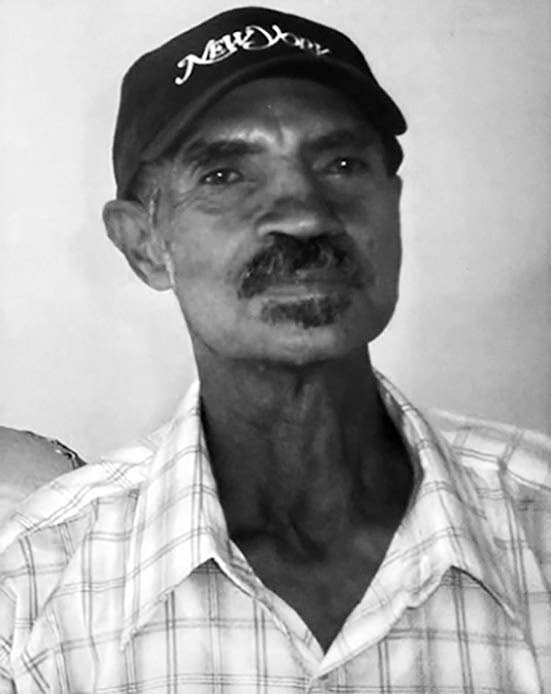
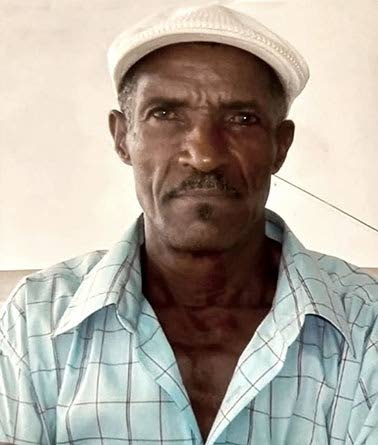
WESTERN BUREAU: She could not run when Hurricane Melissa tore apart the tiny house in Springfield, St Elizabeth. The disabled daughter survived, but her mother and two uncles, inseparable siblings who spent decades living together, did not. Their...
WESTERN BUREAU:
She could not run when Hurricane Melissa tore apart the tiny house in Springfield, St Elizabeth. The disabled daughter survived, but her mother and two uncles, inseparable siblings who spent decades living together, did not.
Their deaths revealed a love story shaped by hardship and loyalty.
The Coke siblings, Anthony, 80; Winston, 83; and Myrtle, 85, had long been part of the quiet rhythm of Bonnie, the remote, wooded fold of Springfield where life moves at the pace of the breeze drifting through bamboo and the far-off sound of goats. Their home, a small two-bedroom wooden structure perched at the top of a steep incline, was both their refuge and their world.
For nearly eight decades, the three lived together there. They tended their garden, planted yam and banana, cooked on a small stove, and walked down the hill together for errands or a drink. Even in old age, their bond held firm. People in Springfield often described them as inseparable, “three old souls moving like one”.
When Hurricane Melissa roared through St Elizabeth, the siblings remained inside the home they trusted. Along with them was Myrtle’s disabled daughter, who depended on her mother for everything and had neither the physical ability nor understanding to flee.
After the storm passed, Springfield felt strangely hollow. Days went by without any sign of the Cokes. The hill was blocked by fallen trees and the air heavy with dread. However, it was their nearest neighbour, who lived far from them who discovered the devastation and alerted the Jamaica Defence Force (JDF).
RESIDENTS FEARED THE WORST
No one could reach them, and the district, already battered by loss, feared the worst.
Whispers turned into certainty.
“They must all dead up dey so,” Sheldon Kirlew, a resident, told The Gleaner.
Four days after the storm, a JDF helicopter cut through the clouded sky on a rescue mission. Among those on board was Kirlew, who assisted the soldiers to identify the Coke’s location.
“I heard everybody saying they had died,” Kirlew said. “So when I got the chance to go with the JDF, I went to look for myself.”
From above, the destruction looked surgical. The surrounding trees were stripped bare, zinc scattered across the grounds, and the Coke home appeared torn open like a matchbox crushed in a fist. When the helicopter touched down, the reality became even starker.
“It was mash up, everything mash up,” Kirlew recalled. “Roof gone. Kitchen tear off. Mattress blow one side. Nothing left standing proper.”
Inside the house, the devastation told its own story. Anthony, the eldest, lay on the floor, the spot where the storm had found him. The debris around him showed he had not stood a chance.
In another section of the wrecked house, Winston and Myrtle were alive but barely. Days without food or water had left them severely dehydrated, disoriented, and unable to recognise the faces leaning over them.
And then, in a corner of what remained of the house, sat Myrtle’s disabled daughter Nola Black, frightened, confused, and silently bearing witness. The 50-year-old woman had survived four days of isolation in a place ripped apart around her, unable to call for help or even fully comprehend what had happened. The chaos of the storm, the death of her uncle, the collapse of her mother’s home, all had unfolded within arm’s reach.
AIRLIFTED TO HOSPITAL
Kirlew and the JDF team moved quickly. The siblings were airlifted out, but even rescue could not save them. Within days, Winston and Myrtle died in hospital, closing a chapter written across decades of shared meals, shared work, and shared breath.
Their niece, Ingrid Cummings, still struggles to process the loss.
“For the last 80 years, they lived together… and in the end, they died together,” she said. “They planted food together, they ate together, they moved together. If you saw one, you saw the other two.”
She remembers their warmth, their stubbornness, their familiarity with the land. She remembers how the two brothers would walk home singing after visiting the bar, steadying each other on the uphill journey to the house. She remembers her aunt’s devotion to her disabled daughter and the quiet dignity with which the three elders managed their daily lives.
The tenderness in Ingrid’s voice reveals not just grief, but awe.
“They were old, yes, but they were active. They loved each other,” she said. “And burying three one time… it hard, it hard, emotionally and financially.”
The family was able to cut a deal with the funeral directors to the tune of $2.1 million for the burial.
“As a family, we just have to do what we have to do,” Cummings stated resignedly.
The weight of the loss rests especially heavily on 89-year-old Deacon Edward Coke, the last surviving sibling. His voice carries both sorrow and faith, the two anchors he leans on.
“I am the only one left now… the last of us,” he said. “At 89, I never thought they would have gone before me, but God gave me strength. I told Him, ‘Lord, I am your son,’ and He carried me.”
STORY OF JOB
To make sense of the tragedy, Edward turns to scripture. He recalls Job, a man who, like him, received one devastating report after another.
“When Job lost everything, more bad news kept coming,” he said. “Just like how these things came one after the other. The Bible gives me courage.”
Edward said his siblings’ refusal to leave their hilltop home was rooted in comfort, not stubbornness.
“They wouldn’t move,” he said softly. “That was their comfort zone. That was where they felt safe.”
In Springfield, the deaths of Anthony, Winston and Myrtle mark more than the loss of three elders. They represent the fading of a way of life, the rural tradition of shared homes, interdependence, and quiet resilience. The community mourns not only individuals, but a chapter of its cultural memory.
The siblings’ funeral takes place on December 23, at the Holiness Born Again Church, Westgreen in Montego Bay, where their other relatives reside. Even in death, they remain together, a final reflection of the love that bound them through poverty, age, hardship and, ultimately, disaster.
“It would have been too difficult to get the hearse to go up the hill to where they lived with the caskets,” Cummings told The Gleaner.
On the hill where their home once stood, only broken wood and scattered zinc remain. But in Springfield, their story has become something larger than the storm that claimed them. It is a story about loyalty, about a daughter who survived the unimaginable, about a family stitched tightly together and about a brother who now walks with all their memories.