Wed | Jan 28, 2026

6.7M MEALS

From back roads to helicopters, World Central Kitchen and partners fed a storm-stricken Jamaica

Published:Wednesday | January 28, 2026 | 12:09 AMJanet Silvera/Gleaner Writer
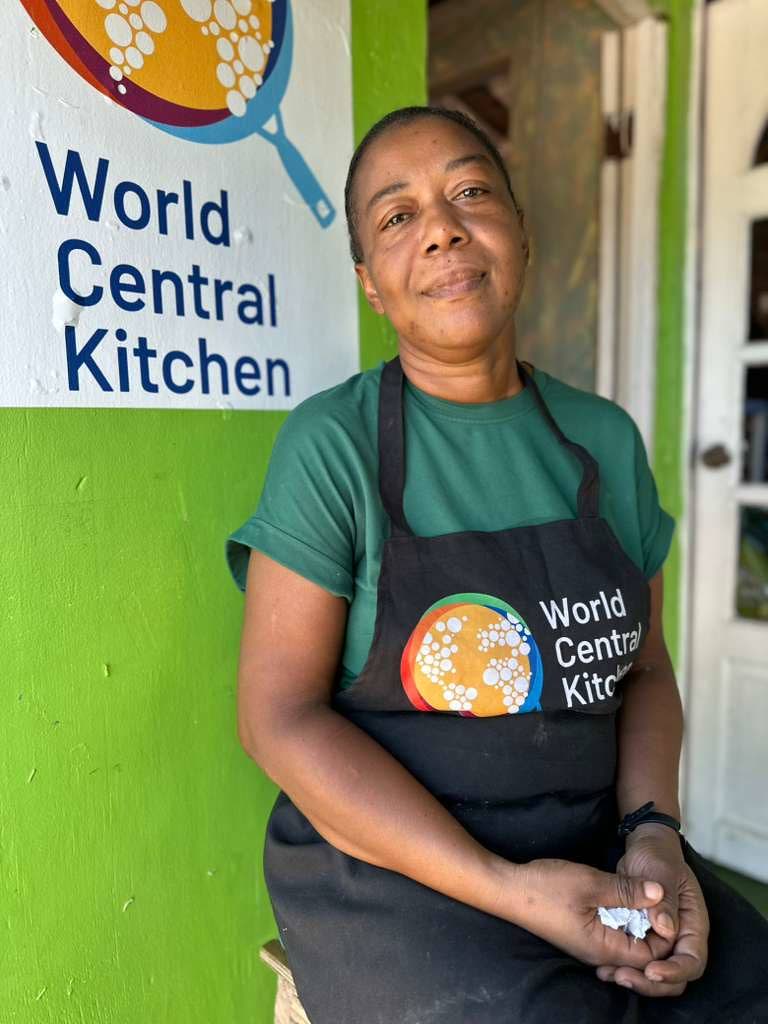
Nathalee Jemaison and her staff at Kajay’s Seafood Restaurant in White House, Westmoreland, were among the WCK partners providing food.
Chef Donald Pallas adds rich jerk sauce over fresh chicken in the packing section of the Negril Field Kitchen, locking in the smoky spice that defines this iconic dish. “The sauce rounds it all out,” he says. “That’s what makes it finger-licking go
Chef Donald Pallas adds rich jerk sauce over fresh chicken in the packing section of the Negril Field Kitchen, locking in the smoky spice that defines this iconic dish. “The sauce rounds it all out,” he says. “That’s what makes it finger-licking good.”
The Home Depot team cooking up a storm at the World Central Kitchen headquarters at the Montego Bay Convention Centre.
1
2
3

WESTERN BUREAU: In the days after Hurricane Melissa tore through Jamaica, the country fractured. Roads disappeared, communities were cut off, and families sheltered in damaged buildings, waiting for water, power, or word that help was coming. In...

WESTERN BUREAU:

In the days after Hurricane Melissa tore through Jamaica, the country fractured. Roads disappeared, communities were cut off, and families sheltered in damaged buildings, waiting for water, power, or word that help was coming. In some areas, hunger arrived before information.

Over the next three months, World Central Kitchen (WCK) would answer that hunger 6.7 million times.

Founded by chef José Andrés, the organisation is known for rapid disaster response, delivering hot, culturally familiar meals while traditional aid systems are still mobilising. Its approach relies on local chefs, restaurants, and suppliers, meeting urgent needs while supporting local economies.

When WCK reached western Jamaica, the storm had already reshaped daily life.

“There were places you simply couldn’t drive to,” recalled WCK Response Director Luis José Fernández. “But people were there. And they needed food immediately.”

With roads damaged or gone, WCK adapted. Motorcycles navigated backroads, four-wheel-drive vehicles pushed through washed-out terrain, and when access failed entirely, planes and helicopters delivered meals to isolated communities.

Fernández said food often became the first signal that people had not been forgotten.

WCK moved without waiting for full assessments or cleared routes, scaling up as needs grew. Two field kitchens were established in Montego Bay, St James, and Negril, Westmoreland, close to the hardest-hit areas. From there, teams responded in real time as priorities shifted – from evacuation shelters to rural farming districts and urban neighbourhoods where kitchens and markets had been destroyed.

“Cooking near the people mattered,” Fernández said. “It meant speed. It meant dignity. It meant families didn’t feel forgotten.”

NATIONAL OPERATION

Guided by local leaders, meals were directed to communities most in need. As the response expanded across multiple parishes, Westmoreland emerged as one of the areas hardest hit.

What began as an emergency feeding effort became a sustained national operation that would ultimately deliver 6.7 million meals to Jamaicans struggling to bridge the gap between disaster and recovery.

Although approximately 60 members of WCK’s relief team and chef corps were deployed to Jamaica, Fernández is clear about where the real strength of the response lay.

“In total, we worked alongside about 500 Jamaicans,” he said.

While many of those who worked with WCK said they earned a daily salary of US$200 for over two months, the organisation would not speak about how much money was spent on this relief mission. The organisation injected significant funds into the local economy by reportedly paying restaurant partners approximately US$10.00 per meal.

“I would vote for them if they were running in an election,” Lorna May Darling, a resident of Westgreen, Montego Bay, whose home was damaged by the storm, told The Gleaner. “They took care of my entire neighbourhood. I could rely on them for dinner for almost three months.”

She added: “They were saviours in our greatest time of need. They never just served food, they served nutritious food. They were concerned about our health and wellness.”

Local restaurants, chefs, and volunteers were involved at every level. Some chefs closed their own businesses temporarily to cook for displaced families. Volunteers worked long days in hot kitchens then longer nights packing meals for the next morning’s deliveries while community members acted as guides and problem-solvers in areas where logistics had collapsed.

“This wasn’t something done for communities,” Fernández said. “It was done with them.”

That principle – local leadership, familiar food, and economic stimulation during crises – is central to WCK’s model. Ingredients were sourced locally where possible, and livelihoods were supported even as emergency needs were met. Beyond feeding, WCK provided targeted support to farmers, fishers, and beekeepers, helping restart livelihoods disrupted by the storm.

By the time WCK scaled down operations nearly three months later, families were regaining access to kitchens, markets were reopening, and local systems were stabilising.

HARD TO LEAVE

Staying was intense. Leaving was harder.

“You build relationships very quickly,” Fernández said. “You see people at their most vulnerable. Walking away is never easy.”

But leaving, he explained, is part of doing the job responsibly.

“Our goal is never long-term dependency,” he said. “It’s to support communities until they can safely take the lead again.”

Pamela Viola, another Montego Bay resident, wants the organisation back in the country.

“We could learn a thing or two from World Central Kitchen. They mastered the art of fixing what many other organisations would not have been able to do,” she said.

As WCK withdrew, responsibility shifted back to local communities, businesses, government agencies, and civil society groups. Fernández said WCK’s role is to complement those systems, not replace them.

Even as the Jamaica operation wound down, WCK’s work elsewhere intensified. Fernández confirmed that the organisation is currently distributing some 800,000 hot meals daily in Ukraine, with plans to scale up to one million meals per day.

“The need never stops,” he said. “Wherever communities face urgent food crises, we are ready to respond.”

For Jamaica, the legacy of World Central Kitchen’s presence is not just a number – though 6.7 million meals is no small thing. It is the memory of hot food arriving when roads were gone, systems were broken, and hunger threatened to deepen the disaster.

When the roads disappeared, the food still came.

janet.silvera@gleanerjm.com