Guyana’s Kaieteur Falls leaves a lasting impression
Loading article...
-
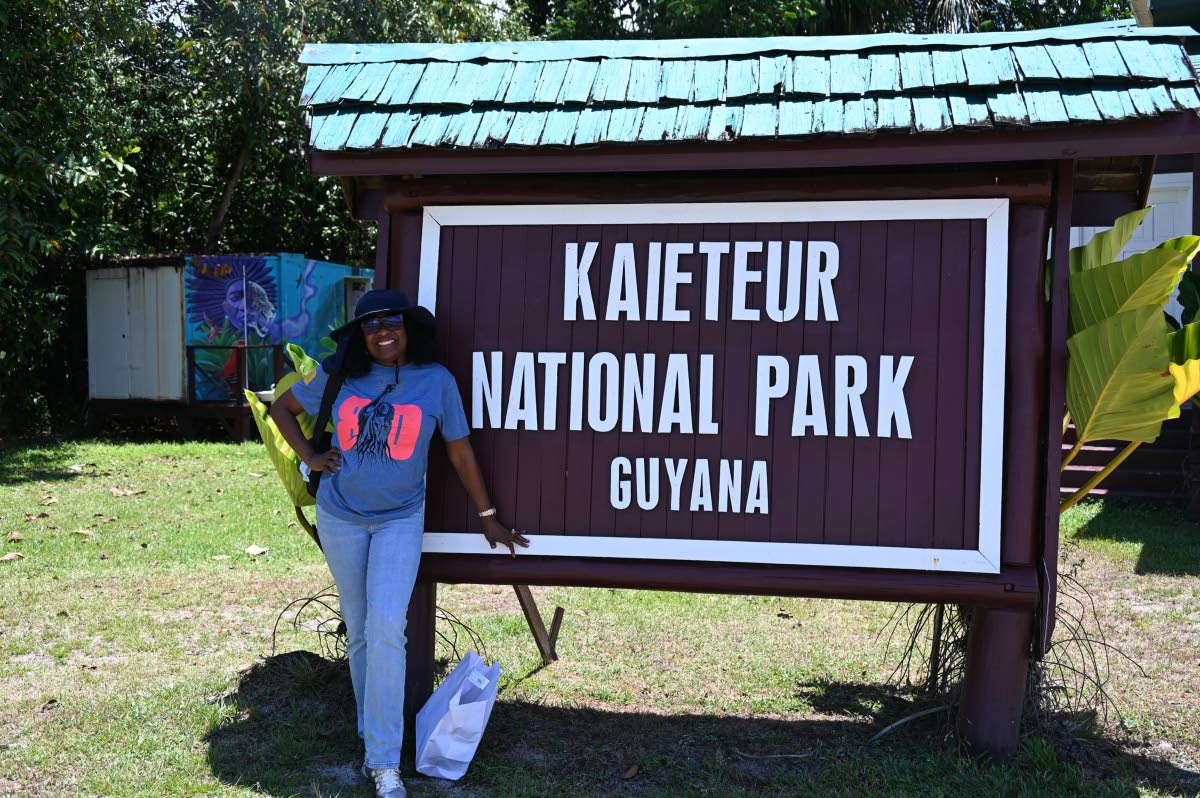 Journalist Janet Silvera poses at the official sign at the Kaieteur National Park in Guyana. Photo - Contributed
-
Journalist Janet Silvera poses at the official sign at the Kaieteur National Park in Guyana. Photo - Contributed
-
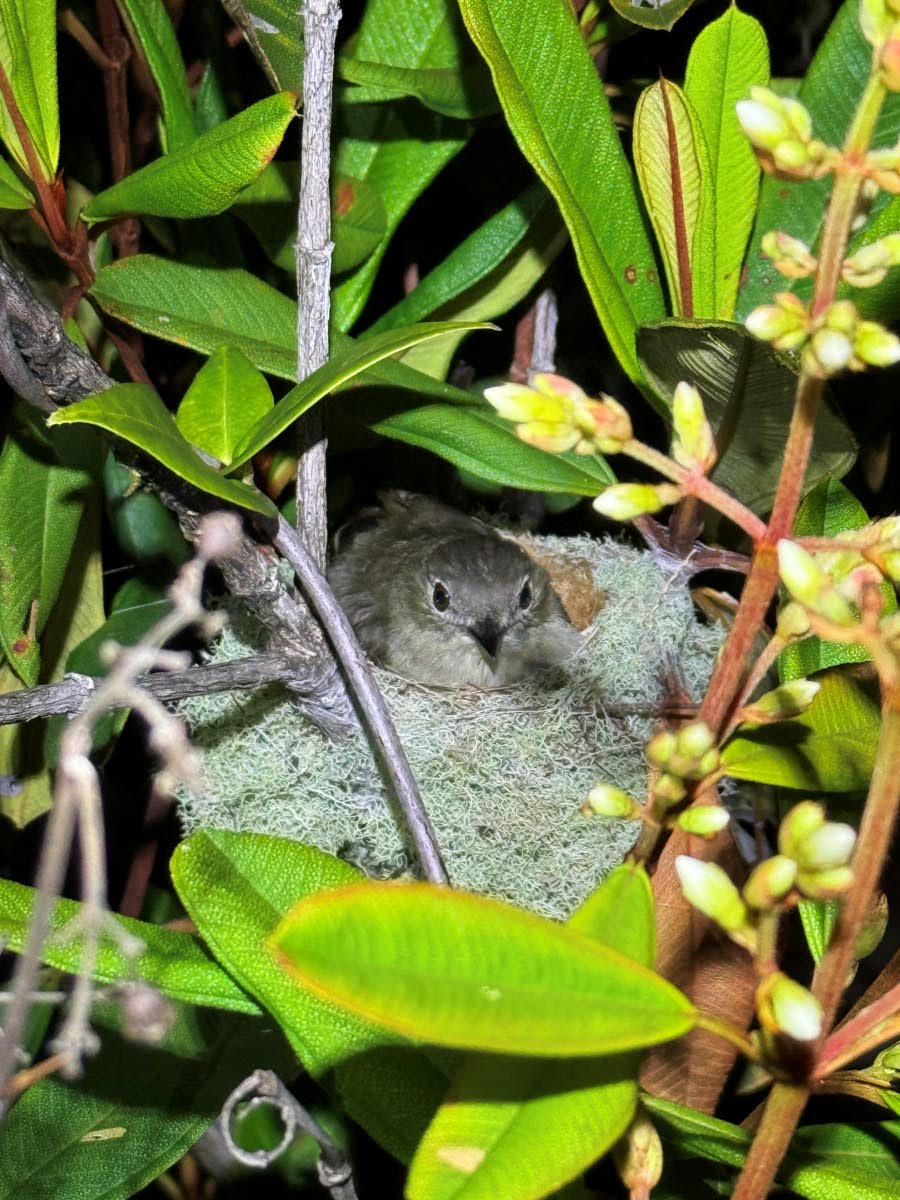 The Rufous-crowned Elaenia, which can be found at the falls. Photo - Contributed
-
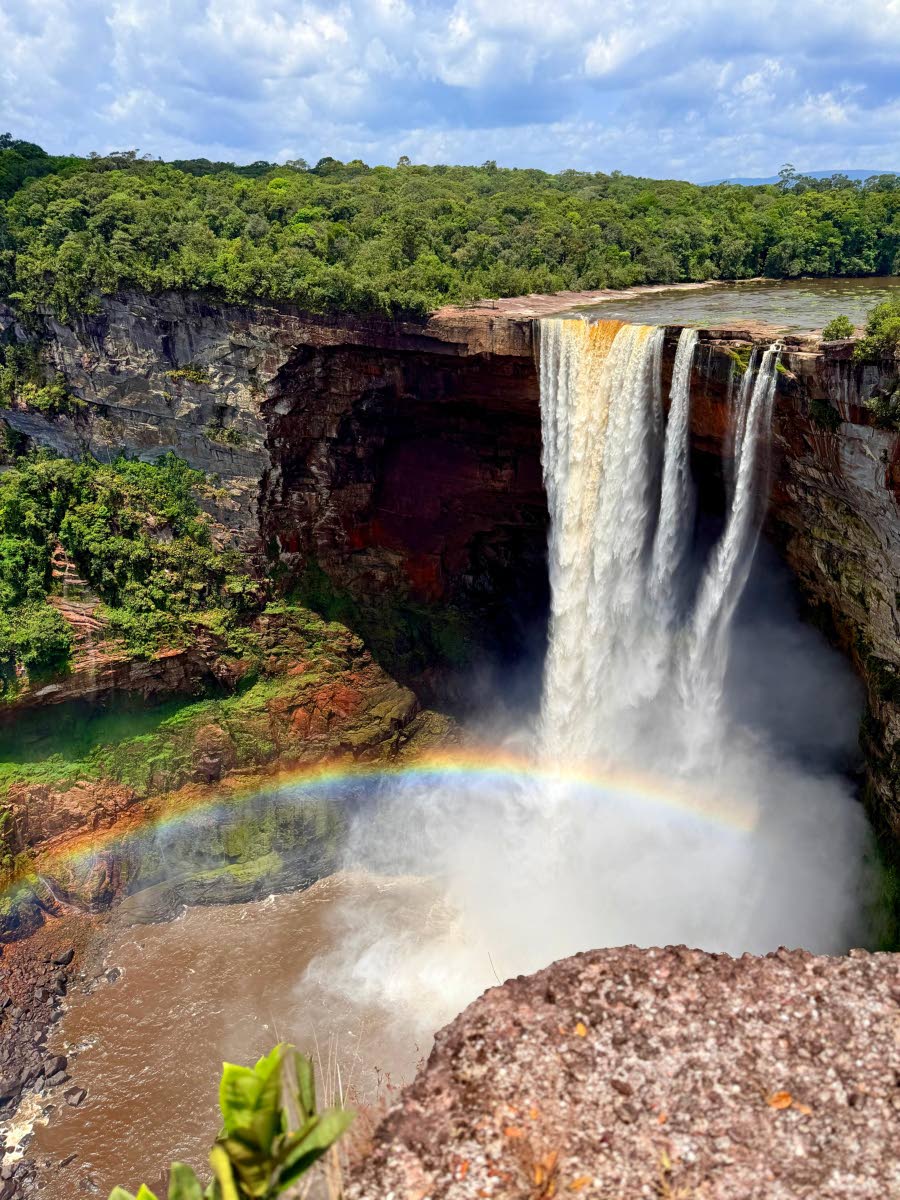 Rainbow Point at Kaieteur Falls in Guyana. Photo - Contributed
-
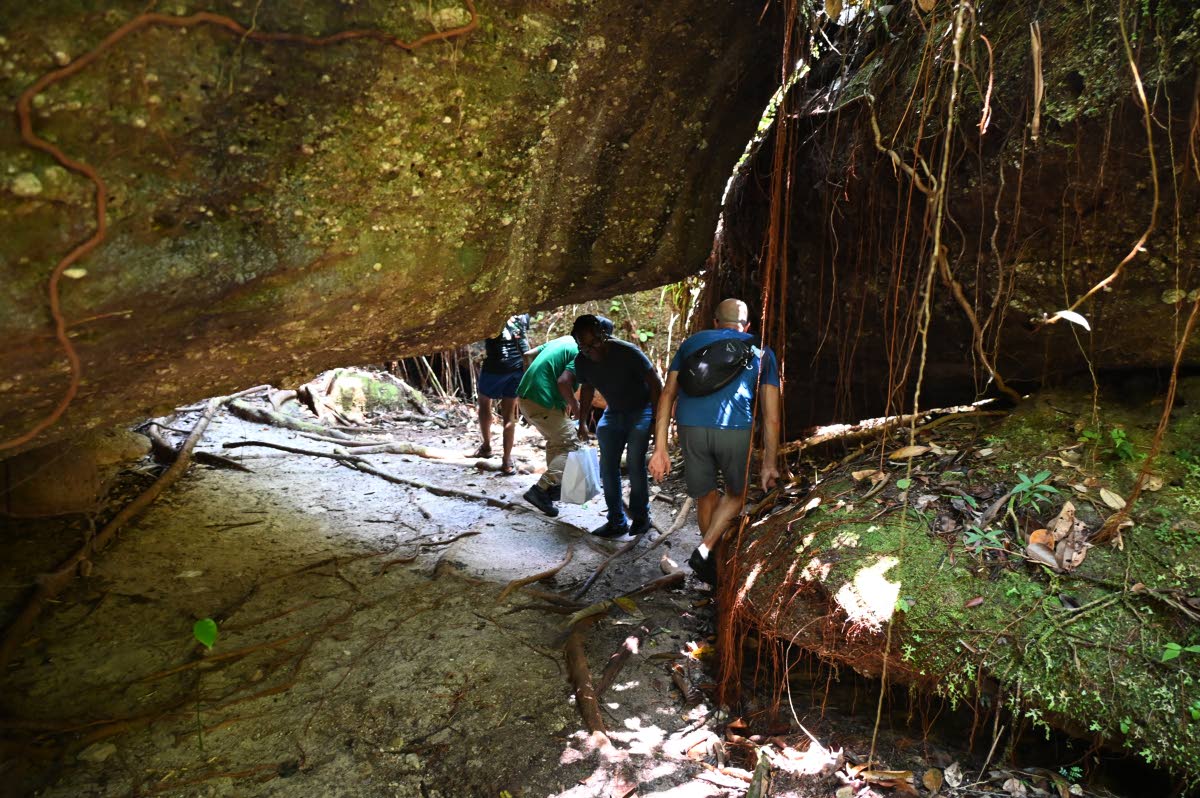 Reaching the highest viewing point at Johnson’s Lookout was not easy, as cave-like rock formations lined parts of the route. Photo - Janet Silvera
-
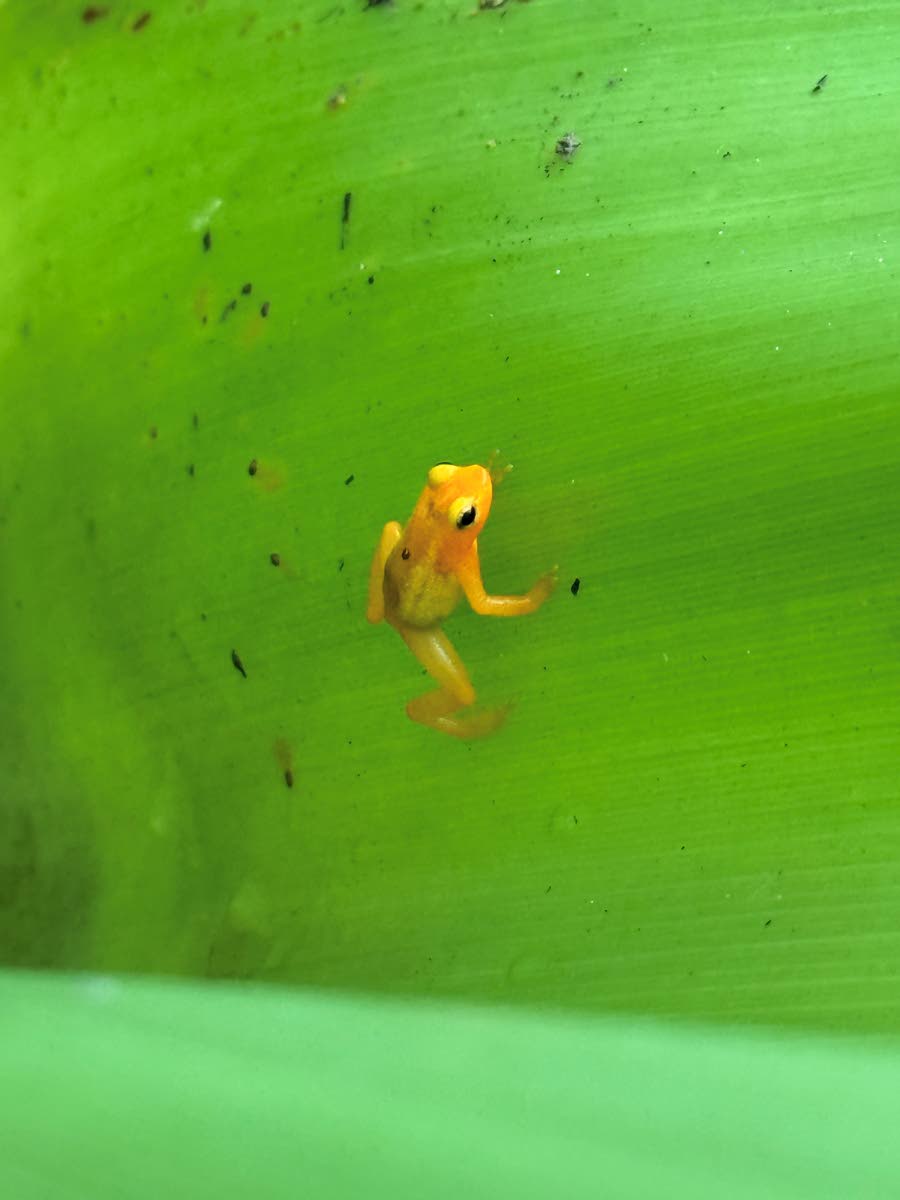 The golden rocket frog, a fingernail-sized amphibian, is among the wildlife found in Kaieteur National Park in Guyana. Photo - Contributed
-
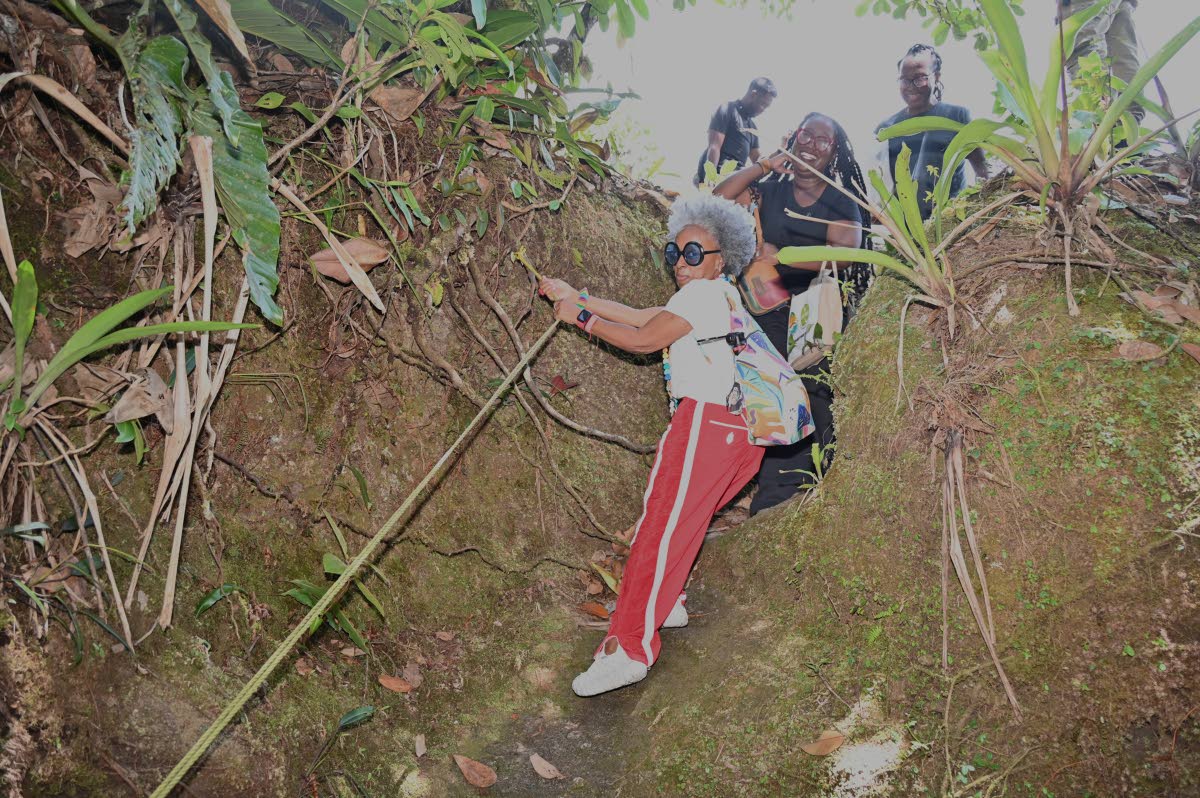 Travel writer Sarah Greaves-Gabbidon swings along one of the walkways through the rainforest. Photo - Janet Silvera
WESTERN BUREAU:
There are places you visit, places you remember, and then there are places that leave you completely in awe. For years, Kaieteur Falls in Guyana occupied a special place on my bucket list. Now, having finally experienced this extraordinary wonder of nature, this writer is still searching for words to describe its magnificence.
Nothing prepared me for its sheer beauty. Not the photographs I had admired over the years, the stories I had heard, or even the spectacular aerial views during the one-hour journey from Georgetown into the heart of Guyana’s seemingly endless rainforest aboard a small Cessna aircraft.
From above, the landscape unfolded like an enormous green carpet, interrupted by winding rivers, ancient mountains and vast stretches of untouched wilderness. It was impossible not to marvel at Guyana’s natural wealth.
And then we landed.
Our aircraft touched down on a small airstrip surrounded by rainforest. There were no towering buildings, bustling commercial centres or traffic, just the serenity of nature, the freshness of the forest and the anticipation of seeing one of the world’s most spectacular waterfalls.
I had finally arrived at Kaieteur. Located in Guyana’s Potaro-Siparuni region (Region Eight), Kaieteur National Park is no ordinary protected area. Covering approximately 626.8 square kilometres (242 square miles), the park is almost as large as the entire Caribbean island nation of Saint Lucia.
First national park
Established in 1929, Kaieteur is Guyana’s first national park, occupying part of the ancient Guiana Shield, a geological region with rocks dating back approximately two billion years. At its centre is the magnificent Kaieteur Falls, where the Potaro River plunges 226 metres (741 feet) over a sheer cliff into a deep gorge.
The waterfall is celebrated for the extraordinary combination of its height and the tremendous volume of water cascading over its edge. But statistics, impressive as they are, cannot adequately convey the experience of standing before it.
The sheer force of the water, the dramatic landscape and the unspoilt rainforest surrounding the falls create an almost overwhelming spectacle. For me, the experience was deeply humbling. Here was nature displaying her power and beauty without a single artificial embellishment.
Our guided exploration took us along rainforest trails to various viewing points, each offering a different perspective of Kaieteur’s splendour.
Park guide Carl Simon, who has worked at Kaieteur for more than seven years, explained that Johnson’s Lookout is the farthest of the three viewing locations.
From there, visitors can appreciate the grandeur of the waterfall against the vast rainforest landscape.
The second stop, Boy Scout’s View, has a historical connection. In the late 1920s, four men became the first organised group to climb to the top of Kaieteur Falls, camping in the area now known as Boy Scout’s View.
Unlike today’s visitors, who can reach the park by aircraft, these young adventurers travelled overland through the challenging interior. The route remains accessible to adventurous travellers, with some tour operators offering five-day expeditions through the rainforest to the falls.
“It’s a hike of your life,” Simon said.
Our third stop was Rainbow View, appropriately named for the rainbows that appear when sunlight catches the mist rising from the waterfall.
Each vantage point offered a different perspective, but the feeling remained the same: awe.
It was difficult to comprehend that a place so beautiful, pristine and extraordinary could remain relatively untouched by mass tourism.
Yet Kaieteur’s appeal extends far beyond its famous waterfall.
The surrounding rainforest shelters an extraordinary variety of wildlife, much of it hidden from the casual visitor. Among the park’s most fascinating inhabitants is the tiny golden frog, which measures approximately one inch in length.
Simon explained that these frogs live within giant tank bromeliads, members of the pineapple family whose leaves collect rainwater to create miniature habitats.
“In the early morning, if you go and check the plants, you will see them. Late in the afternoon, when it’s cooler, you will see them,” Simon explained.
They are more visible during the rainy seasons, generally May to June and November to December. Their numbers fluctuate because of natural predators, including spiders, crabs and snakes.
I found the contrast fascinating. In the shadow of one of the world’s most powerful waterfalls lives a tiny creature small enough to rest on the tip of a finger.
The park is also home to jaguars, ocelots, monkeys, deer, peccaries, tayras and an impressive variety of birds. Simon showed me footage captured by camera traps strategically positioned throughout the forest. Among the animals recorded were white-lipped peccaries, which move in large groups; the elusive ocelot, a beautifully patterned wild cat smaller than the jaguar; and tayras, agile, long-tailed mammals belonging to the weasel family.
Many of these animals are more active in the late afternoon, at night or in the early morning, which helps explain why visitors on short daytime excursions rarely encounter them.
Green Gold
Despite the presence of potentially dangerous wildlife, Simon said he had not witnessed anyone suffering a snakebite during his seven years at Kaieteur.
“We know we are in their territory or in their domain,” he explained. And that statement stayed with me.
At Kaieteur, human beings are visitors. The forest belongs to the creatures that inhabit it.
One of the most striking descriptions I encountered during my visit was the reference to Guyana’s rainforests as its Green Gold. It is an appropriate description for a country whose forest cover was estimated at approximately 87 per cent of its land area in 2023.
The forests are not merely beautiful landscapes. They represent an extraordinary environmental asset, supporting biodiversity, sustaining Indigenous communities and contributing to the global response to climate change. Guyana has been cautiously opening these natural treasures to visitors, and Kaieteur offers a compelling example of why responsible eco-tourism matters.
In an era when destinations frequently measure tourism success by hotel rooms, visitor arrivals and commercial development, Kaieteur offers a different perspective. Its greatest attraction is precisely what has not been built. There are no sprawling resorts competing with the landscape, no amusement rides and no elaborate commercial entertainment. The attraction is nature itself.
Most visitors to Kaieteur arrive by small aircraft, spend a few hours exploring the park and return to Georgetown the same day. However, Simon believes visitors should be encouraged to spend more time in this extraordinary environment.
“Kaieteur is a place to come, not just for two hours, three hours, but just to come and spend a night or two,” he said.
The park has a guesthouse intended to facilitate longer stays, although Simon explained that it had not yet been fully commissioned. For nature enthusiasts, photographers and birdwatchers, spending additional time exploring this remarkable ecosystem offers a different way to experience the park.
There are practical considerations, however. Visitors travelling to Kaieteur should check identification requirements with their airline or tour operator before departure. During my journey, I was required to have my passport. Comfortable walking shoes, suitable clothing and a willingness to embrace the outdoors are also advisable.
As our small aircraft eventually carried us away from Kaieteur, I found myself reflecting on the privilege of having experienced such extraordinary natural beauty. I have travelled to 80 different countries on five continents, admired spectacular landscapes and encountered some of the world’s most remarkable attractions.
Yet, Kaieteur was different. Perhaps it was simply the feeling of standing in a place where nature remains gloriously in charge.
janet.silvera@gleanerjm.com