Coping forum launched to offer therapy solutions post-Melissa
Loading article...
-
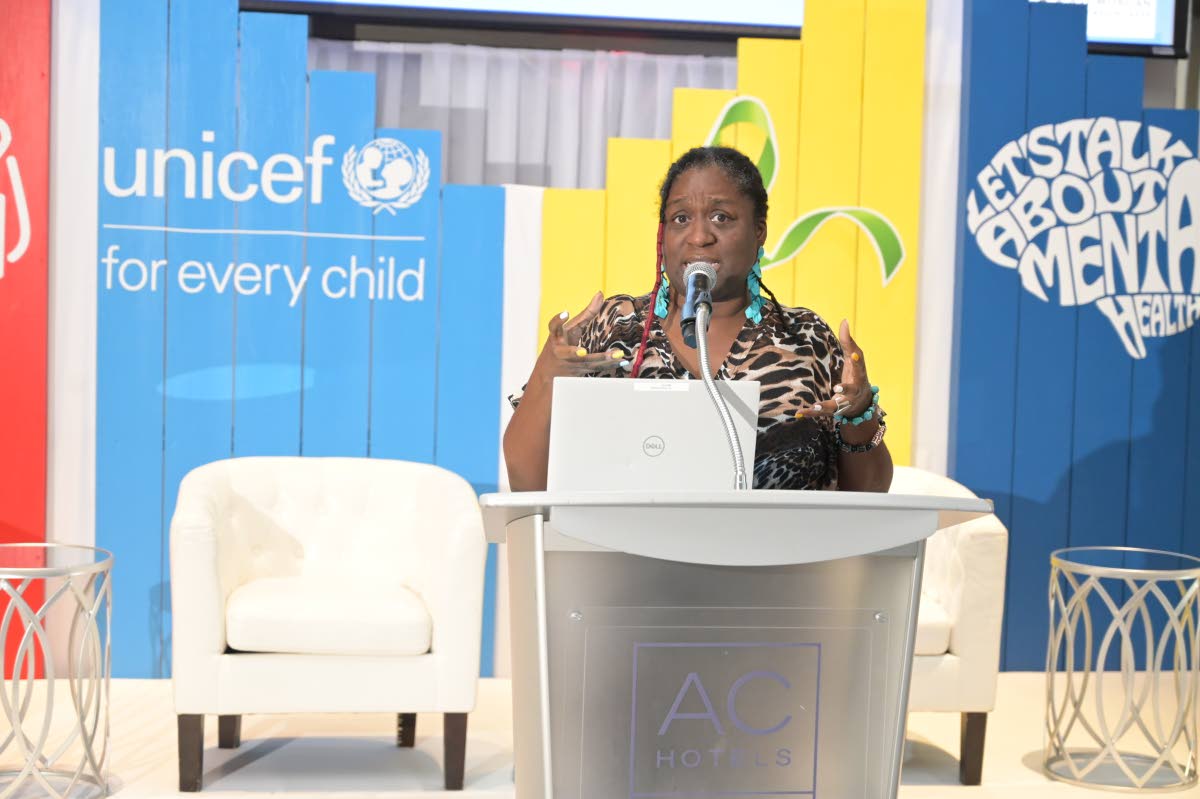 Clinical psychologist Dr Kai Morgan. Photo - Contributed
-
Clinical psychologist Dr Kai Morgan. Photo - Contributed
-
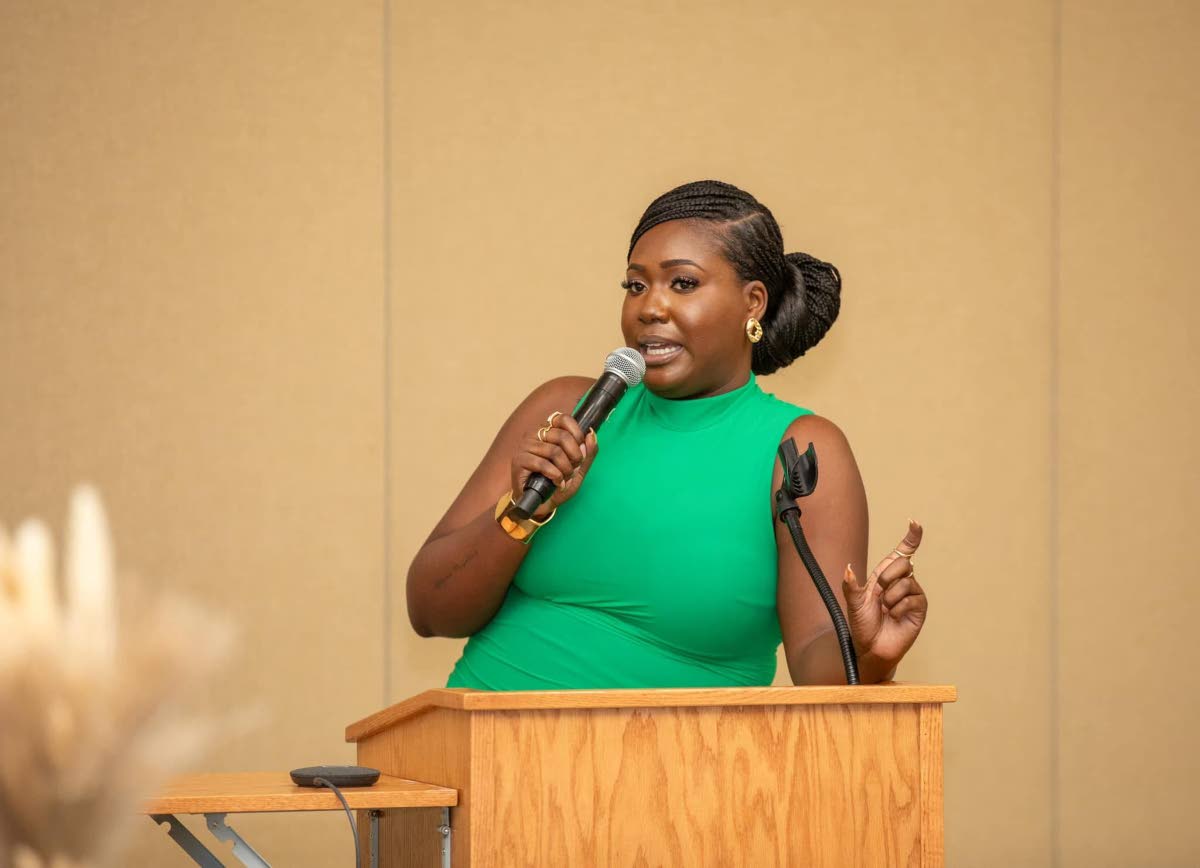 Clinical social worker Dr Lecie Brown. Photo - Contributed
-
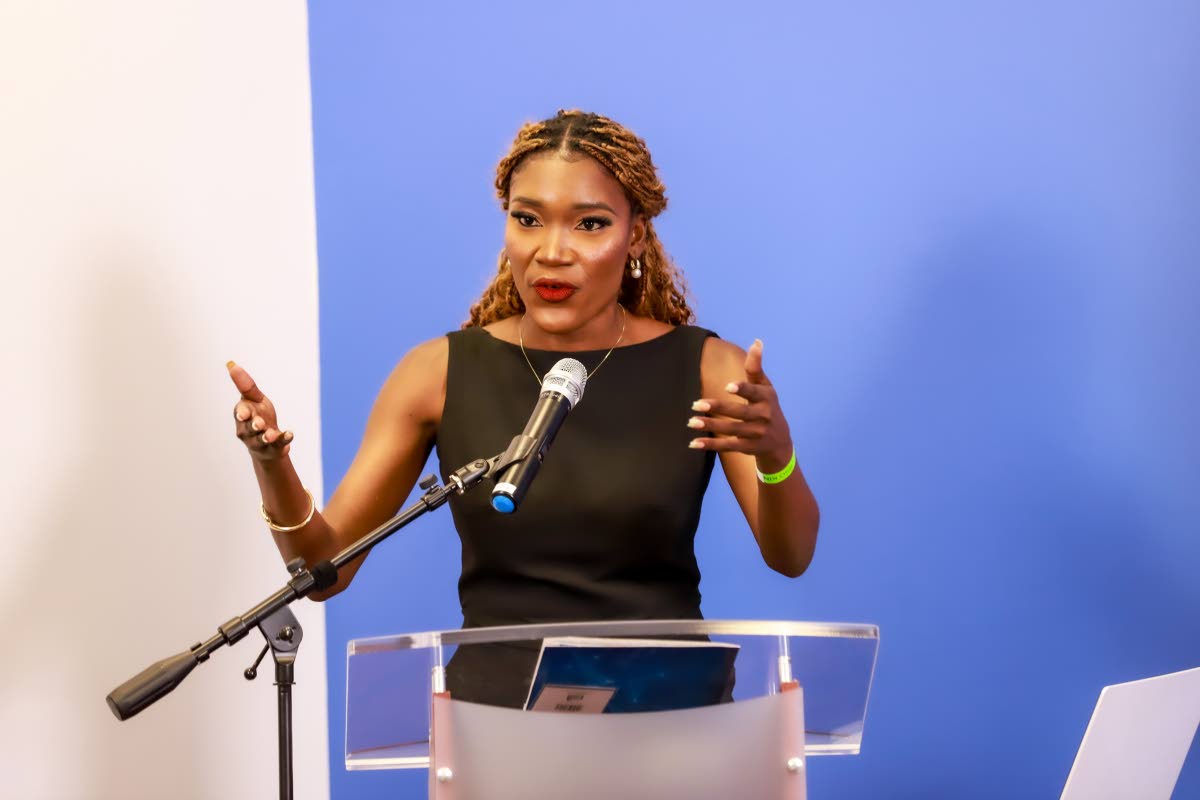 Social development practitioner Tishauna Mullings. Photo - Contributed
-
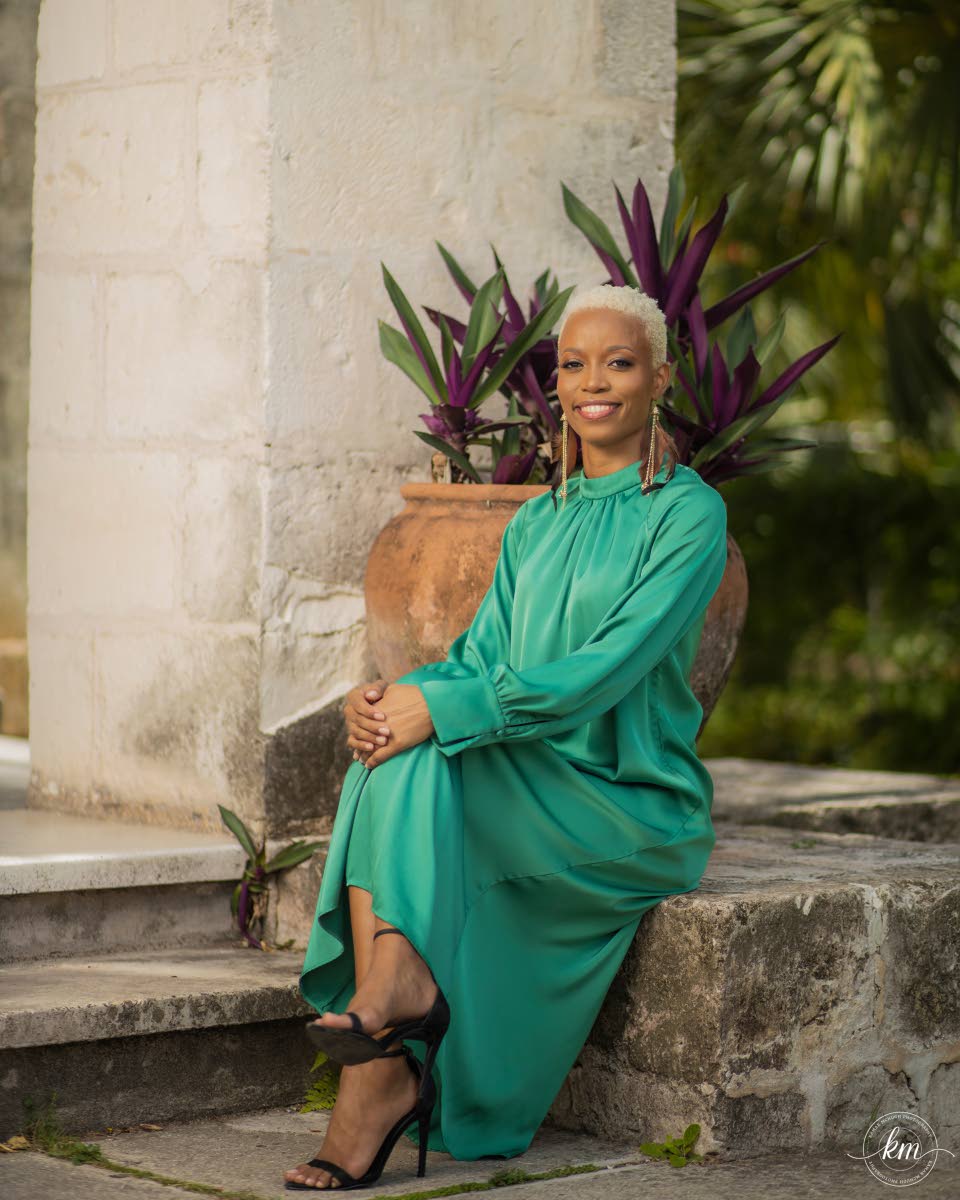 Trauma-informed coach Chantaeu Munroe. Photo - Contributed
In the wake of Hurricane Melissa, grief, shock, anxiety and uncertainty have settled across the communities most severely affected, as well as the wider Jamaican society still reeling from the storm’s devastation. Many residents are struggling to come to terms with the disaster and the daunting task of rebuilding their homes and lives.
Tishauna Mullings, a social development practitioner and chief social innovator at NexxStepp Lifelong Educational Services, recently led a team of mental health professionals, educators, youth volunteers, parents and clergy members in a community coping and rebuilding session.
More than 1,000 participants from Jamaica and the diaspora joined the virtual forum, held under the theme ‘When the Nation Needs National Therapy: A Practical Coping Forum After Hurricane Melissa’. The session featured guidance from trauma-informed coach Chantaeu Munroe, clinical psychologist Dr Kai Morgan Campbell, and clinical social worker Dr Lecie Brown.
Mullings said the initiative was anchored in three pillars: relief to meet immediate needs, recovery to restore stability and dignity, and reconstruction to redesign systems for long-term resilience.
“Reconstruction involves innovation, policy, youth leadership and community organisation — all critical for infrastructure,” Mullings said. “Jamaica should not bounce back to the vulnerabilities that existed before. It must move forward into something stronger.”
She added, “Without support, paralysis delays recovery. The call to action is simple: small, consistent steps — because, if everyone does a little, nobody has to do a lot.”
Dr Morgan explained how trauma affects the brain and nervous system, noting the rise in anxiety, irritability, hyper-vigilance and emotional flatness across the island. She introduced the ‘Tuff It Out & Buil’ Resilience framework, which includes six culturally grounded mindfulness skills from the Community Resilience Model designed for use in shelters, classrooms, workplaces and homes.
Munroe, founder of C.K.M Healing Consultancy, led a segment titled ‘Community Emotional First Aid: Helping Without Drowning’. She demonstrated how to support others without absorbing their pain, identified phrases that unintentionally minimise suffering, and outlined emotional red flags requiring professional help. Her toolkit included grounding questions, supportive statements and a night-time anxiety plan.
“Healing does not require perfection,” Munroe said. “Only consistency, compassion and connection.”
Meanwhile, clinical psychologist Dr Chelece Brown addressed the emotional complexity of feeling safe while others suffer. “Many people living abroad are absorbing survivor’s guilt and diaspora comparison stress,” she said. “These can lead to self-silencing, emotional fatigue and overcompensation.”
Dr Brown offered tools such as the Notice – Name – Re-purpose reset, boundary-setting phrases (“I care about you. Let’s talk again at ___”) and a 60-second night-time grounding ritual. “Guilt does not increase compassion,” she emphasised. “It drains it.”
Facilitators also warned against compulsive consumption of traumatic footage — sometimes referred to as “disaster porn” — which can lead to secondary trauma, insomnia, irritability and emotional numbness.
Organisers will host a follow-up on Sunday, at 7 p.m, introducing private care rooms for short, confidential check-ins with trained professionals to support those feeling overwhelmed, burned out or emotionally delayed in their response.
“Jamaica is not short on generosity,” Mullings said. “It is short on structures that convert generosity into sustained outcomes.”
keisha.hill@gleanerjm.com