Gov’t targets craft sector as new pillar of creative economy
Loading article...
-
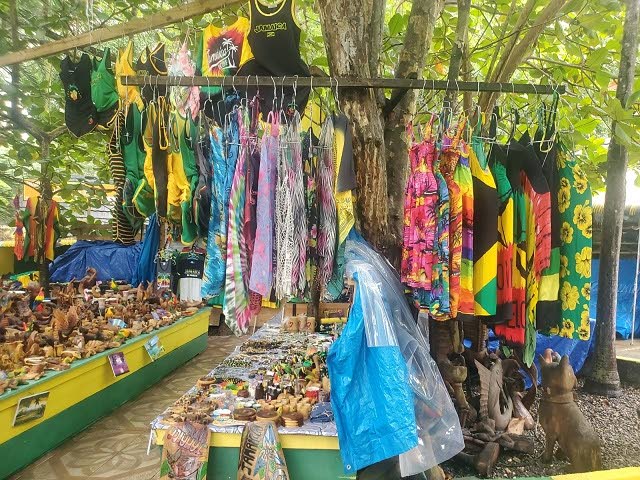 Jamaican craft Items from the Ocho Rios Craft Market in St Ann.
-
 Devon Mitchell, acting president of the Jamaica Craft Traders and Producers Association.
-
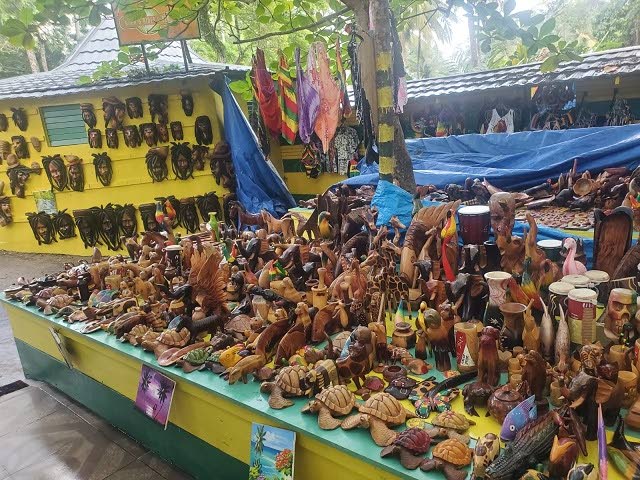 Jamaican Craft Items from the Ocho Rios craft market in St. Ann.
-
 Seiveright
WESTERN BUREAU:
State Minister in the Ministry of Industry, Investment and Commerce Delano Seiveright has declared that Jamaica’s craft sector is poised for a sweeping overhaul as the Government moves to reposition craft not as an afterthought but as a central pillar of the island’s creative economy.
Seiveright, who has been meeting with stakeholders across the island, said the Government is activating a coordinated national effort to modernise the industry, expand income opportunities for artisans, and raise the global profile of authentic Jamaican craft.
“The craft sector has long been a vibrant expression of Jamaican culture, but it has struggled with fragmentation and underinvestment,” he told The Gleaner. “Our goal is to make craft a modern, profitable, and globally competitive industry – not just a side activity but a driver of jobs and cultural pride.”
That transformation is being guided by the National Craft Policy, launched in 2020, but will be moving into full implementation. Seiveright said agencies including the Jamaica Business Development Corporation (JBDC), the Jamaica Intellectual Property Office, the Bureau of Standards Jamaica, the Product Development Company, the Urban Development Corporation, and municipal corporations have been mandated to streamline training, upgrade craft markets, strengthen product standards and authenticity, and expand export readiness.
“We are implementing the National Craft Policy through coordinated action across multiple ministries and agencies,” he said. “This includes expanding JBDC’s training and product-development programmes, establishing standards for ‘Authentic Jamaican Craft’, upgrading markets into ‘Artisan Villages’, and improving financing and export support.”
The state minister emphasised that modernisation extends beyond physical infrastructure and touches the very heart of Jamaica’s creative expression.
“Modernisation is about raising quality, design, and consistency while maintaining authenticity,” he said. “The world has changed. Today’s visitor expects a high-quality cultural experience not just a souvenir.”
He added that artisans themselves must embrace the change.
“The Government can provide training and infrastructure, but real success depends on artisans and vendors seizing the opportunities. It’s about partnership, all hands-on deck.”
Acting president of the Jamaica Craft Traders and Producers Association Devon Mitchell has welcomed the new push, arguing that the sector has waited too long for meaningful investment.
“Outside of what Floyd Green (former state minister in the ministry) initiated during his tenure, nothing substantial has happened since,” Mitchell said. “We were the ones who lobbied the Government to put a policy in place, so the move now being put forward by Minister Seiveright is something I fully embrace.”
Still, Mitchell urged inclusivity.
“We want to be part of the transformation … only if members and potential investors are involved at every stage,” he said.
Seiveright maintains that the reforms will unlock new opportunities for youth, women, rural communities, and tourism-linked entrepreneurs.
“Craft is more than souvenirs. It is community business, culture, and identity,” he said. “This is about building a sector Jamaicans can be proud of.”
albert.ferguson@gleanerjm.com