CANINE CRISIS
Loading article...
-
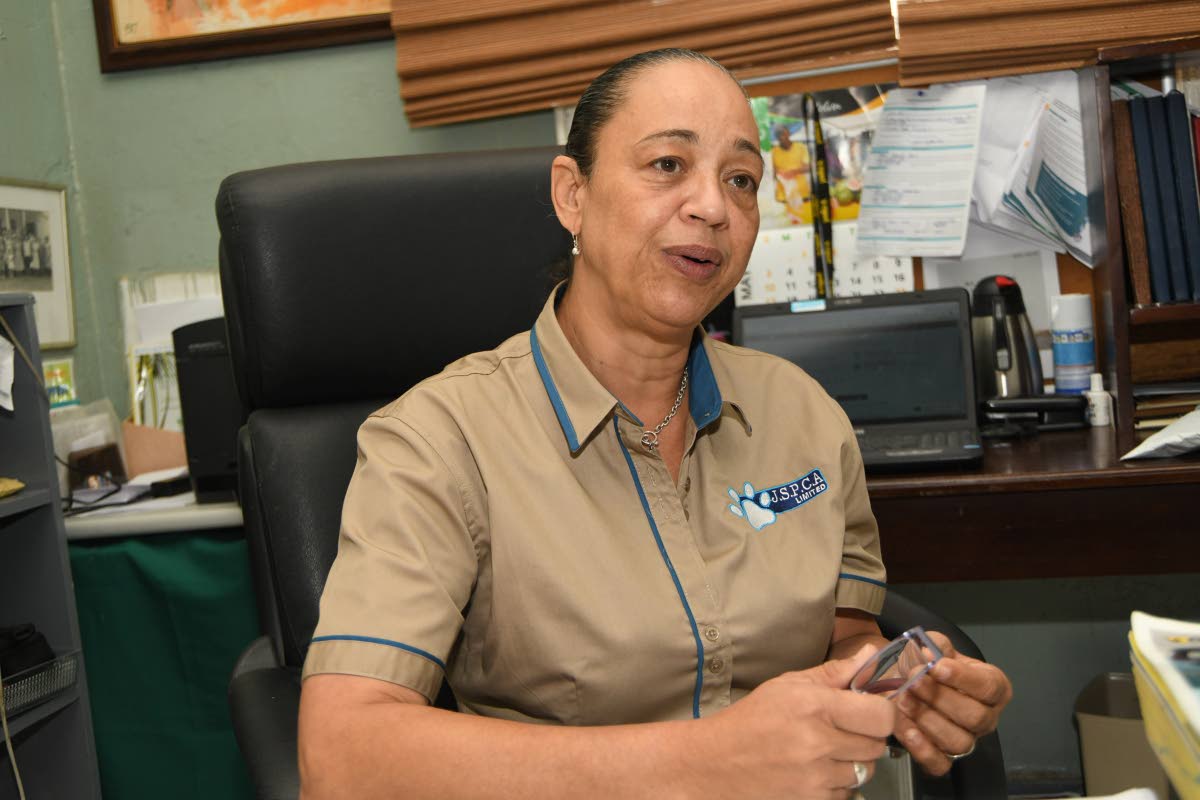 Pamela Lawson, managing director of the JSPCA.
-
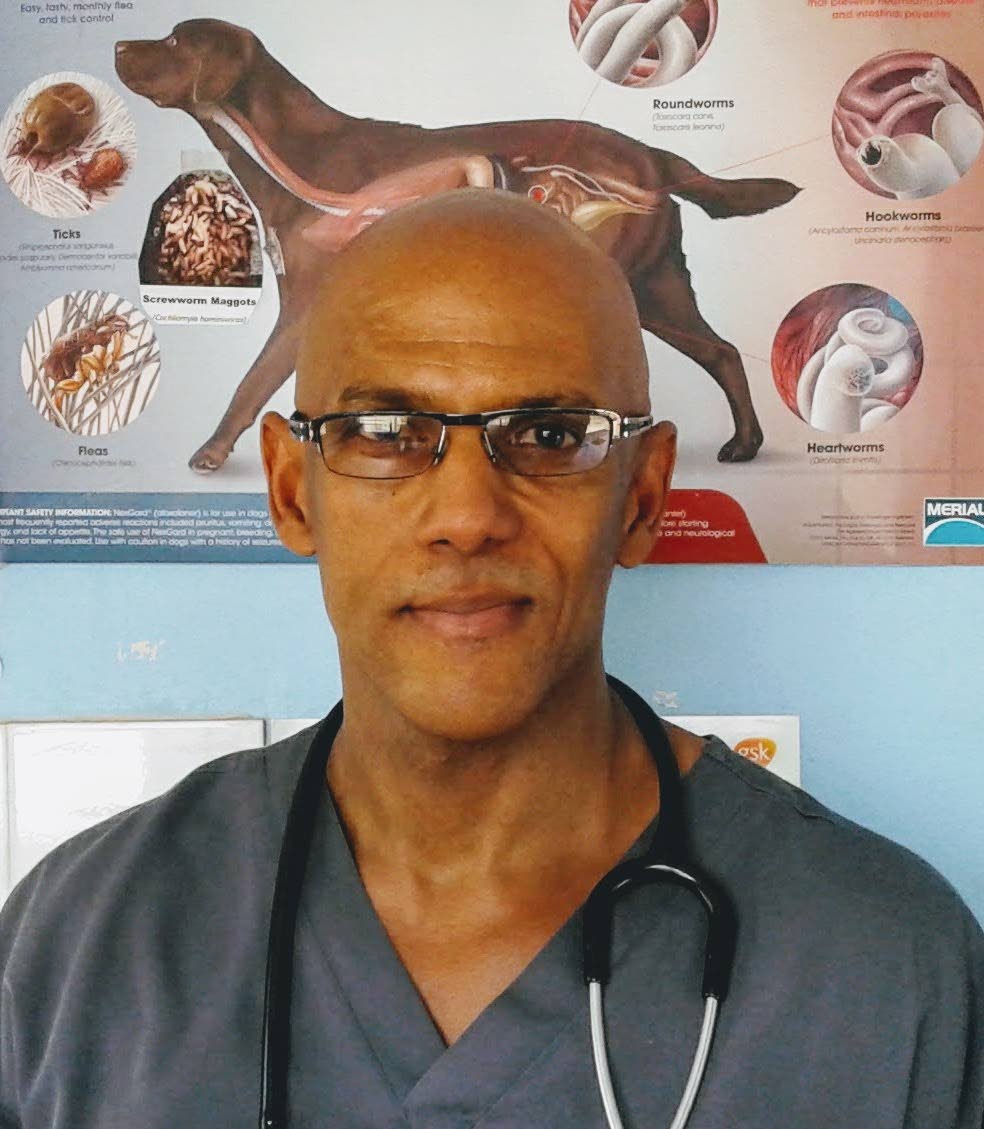 Veterinarian Dr Paul Cadogan, whose presentation was interrupted by the intrusions.
Dozens of puppies are being rushed to the Jamaica Society for the Prevention of Cruelty to Animals (JSPCA), suffering from severe gastroenteritis, bloody diarrhoea, and agonising pain before many ultimately die.
Veterinarians say they are locked in a race against time to save the young animals from a surge in canine parvovirus infections – now proving even more deadly than leptospirosis in the aftermath of Hurricane Melissa.
“You know how you would go into a children’s hospital, and you see all these children who are sick with gastroenteritis, and you keep hearing the doctors warn about them being at risk of dying? It is the same thing with these puppies,” explained a sombre Pamela Lawson, managing director of the JSPCA.
“The difference is with the dogs, it becomes haemorrhagic. So there is intestinal bleeding with diarrhoea, and the smell is awful. It is very painful, and it is just such a cruel and painful death for them,” she added, noting that on some days, the JSPCA loses more than a dozen puppies.
Cases at the organisation’s St Andrew facility – Jamaica’s largest animal hospital – began spiking about a week after the hurricane. Lawson suspects that environmental changes triggered by the storm may be helping fuel the outbreak.
According to the American Veterinary Medical Association, canine parvovirus, commonly called ‘parvo’, is highly contagious and exists in several strains, all producing similar symptoms. The virus attacks white blood cells and the gastrointestinal tract of dogs and related species such as foxes and wolves and can damage the hearts of young puppies. While all dogs are vulnerable, very young animals and certain breeds face significantly higher risk.
“It is the main thing that we vaccinate puppies against, and we are literally in a race to try and vaccinate and immunise as many of them before the disease gets them,” said veterinarian Dr Paul Cadogan, who operates out of the Denbigh Veterinary Clinic in Clarendon.
He explained that although parvoviruses exist across species – including in cats, pigs, and humans – the canine strain has surged across Jamaica since the hurricane.
Breeds such as Rottweilers, Doberman pinschers, bull terriers, German shepherds, and English springer spaniels are particularly susceptible.
Cadogan urged Jamaica to adopt stronger ‘One Health’ practices – linking environmental, animal, and human health – given how persistent the virus is.
“It lives in the environment, and so it is one of the toughest viruses that exists. It will live in dry, sun-drenched soil for three years or more, still active and able to cause infection. And because we have so many dogs, and so many have never been vaccinated, the virus is maintained and out there. And when you have heavy rains and windy conditions, as we did recently, it spreads the virus around,” explained Cadogan.
The virus can be picked up by shoes and car tyres as well, he explained about its proliferation.
“So with conditions like these, in the aftermath of the hurricane, the cases have just exploded,” the veterinarian said, noting several reports in Kingston, St Andrew, and St James. “It is frustrating for the owners and the vets, and it is deadly for the puppies.”
Meanwhile, the JSPCA is battling the outbreak while preparing to vacate its long-standing Winchester Road headquarters in St Andrew. The property was sold to the National Health Fund, which plans to construct its headquarters there, forcing the organisation to relocate before the end of the month.
“We have so many puppies here, and it used to be a case that parvo would affect them when they were under a certain age,” said Lawson. “But we are now seeing animals that are over six months old coming in with symptoms, and when they are tested, they are positive. Certain breeds walk in, and they do not walk back out because the next day they are dead.”
Proper hygiene, isolation, and thorough disinfection remain essential, Lawson stressed. She urged owners to ensure that their pets complete their vaccination schedules, though she cautioned that even fully vaccinated dogs could, occasionally, fall ill.
“Ideally, not before they are six months old should puppies be exposed to other animals, and if you love your puppies and you want to see them live, don’t put them on the ground,” she stressed.
As for the JSPCA’s relocation, Lawson said discussions with the Government continued.
“[We hope to] get to a point in another week or two weeks to say, ‘We are moving. This is when we are moving, and this is where we are moving to.’ But we definitely have to move by the end of this month,” she told The Gleaner.
corey.robinson@gleanerjm.com