Melissa opens engineering gap
Loading article...
-
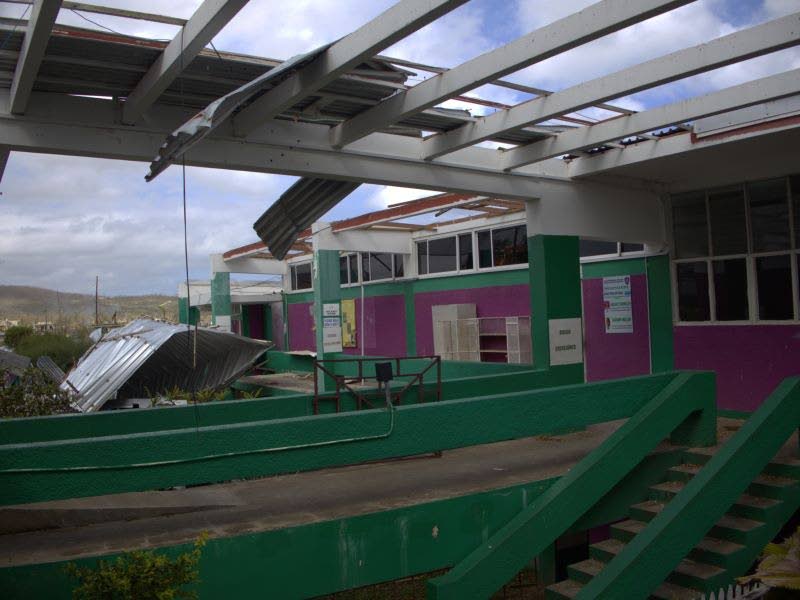 The William Knibb Memorial High School in Falmouth, Trelawny, suffered significant damage during the passage of Hurricane Melissa on October 28. Photo - JIS
-
The William Knibb Memorial High School in Falmouth, Trelawny, suffered significant damage during the passage of Hurricane Melissa on October 28. Photo - JIS
-
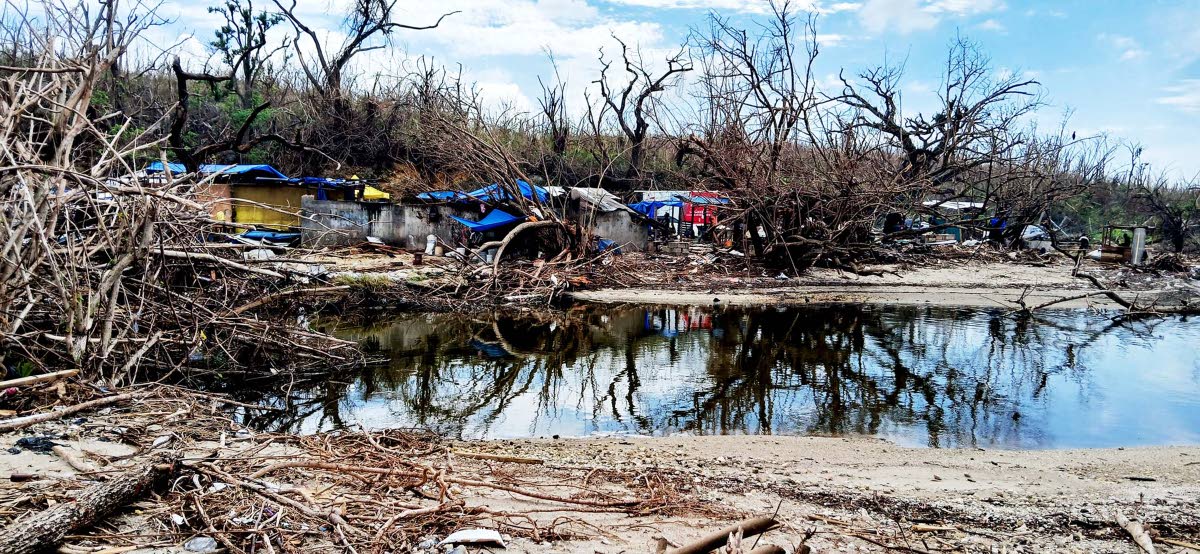 Structures in the distance stand on the sands of a lake in St Elizabeth after the passage of Hurricane Melissa. Photo - Photo by Paul H. Williams
-
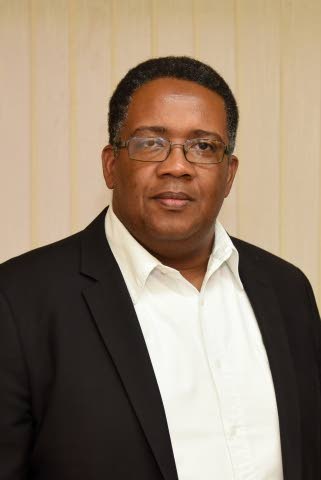 TAYLOR. Photo - File
RESPECTED PHYSICIST, Professor Michael Taylor, has flagged for attention what he says is Jamaica’s now exposed engineering gap, following the passage of Hurricane Melissa.
As Jamaicans come to terms with the devastation and loss from the category five event, Taylor said that addressing that engineer gap will be key to achieving resilience going forward.
The gap, he explained, is exposed as one considers an essential truth that has come from the science: “we are now living in a climate era where the unprecedented has become inescapable”.
“For a long time, we have treated climate in this way – the extraordinary event as rare. But climate science has been trying to warn us that this no longer holds true. The once in a lifetime flood or drought or hot summer,” he explained, speaking at the December 11 UWI/VM Group Distinguished Lecture, hosted under the topic “The Post-Melissa Climate: Why the Conversation Must Change!”
According to Taylor, who is also dean of the Faculty of Science and Technology at The University of the West Indies, Mona, climate science has been insisting that this no longer holds true.
“Reports from the Intergovernmental Panel on Climate Change have shown that human induced greenhouse emissions have led to an increased frequency and/or intensity of some weather and climate extremes since preindustrial times. The occurrence of extreme events unprecedented in the observance record will rise with increasing global warming … and the rarer the event, the faster the increase,” he said.
“In simple words, it is the most unprecedented events that are becoming common the fastest,” Taylor added.
The Caribbean, he said, has been no stranger to unprecedented events – from 2017 when the region was affected by three category five hurricanes (Irma, Maria and Jose) to 2019 when Hurricane Dorian stalled over the Bahamas, also as category 5 “and rewrote what devastation meant and we called that unprecedented”.
Then Hurricane Beryl emerged in 2024 as the earliest category five storm on recorded.
“Every time we define unprecedented, climate change simply introduces a new spin on it. And now merely 15 months after it, here comes Melissa, a monster of a storm. For Jamaica it has confirmed that the unprecedented has become inescapable,” Taylor said.
MELISSA TROUBLE
With Melissa came record sea surface temperatures, stronger winds and heavier rainfall, which levelled homes and other infrastructure, destroyed livelihoods and took lives.
“The unprecedented is no longer something that is ahead of us. It is part of our lived reality. Melissa was teaching us that we have an engineering gap – the distance between the climate our infrastructure was designed for and the climate it is now required to endure. Melissa exposed this gap,” said Taylor, who is also co-lead for the Climate Studies Group Mona.
“We have this engineering gap and we can no longer ignore it. One essential conversation pathway must [therefore] be the standards pathway,” he added.
According to Taylor, that includes asking some important questions to inform policy and actions as the country looks to build back better.
These questions, he noted, include ‘what climate standards are being used?’ ‘Are climate scientists embedded in the standards conversations and will research capacity be strengthened so standards can evolve as the climate evolves?”
Other questions include ‘do ordinary citizens have clear, simplified, climate-rated rebuilding guidance? Are we revisiting, for strengthening the monitoring and evaluation for standards framework?’ And ‘should all large public and private infrastructure projects be required to openly declare the climate standards to which they were or are being built?’ And ‘must citizens demand it?’
pwr.gleaner@gmail.com