Earth Today | Restoring the ‘lungs of the earth’
Loading article...
-
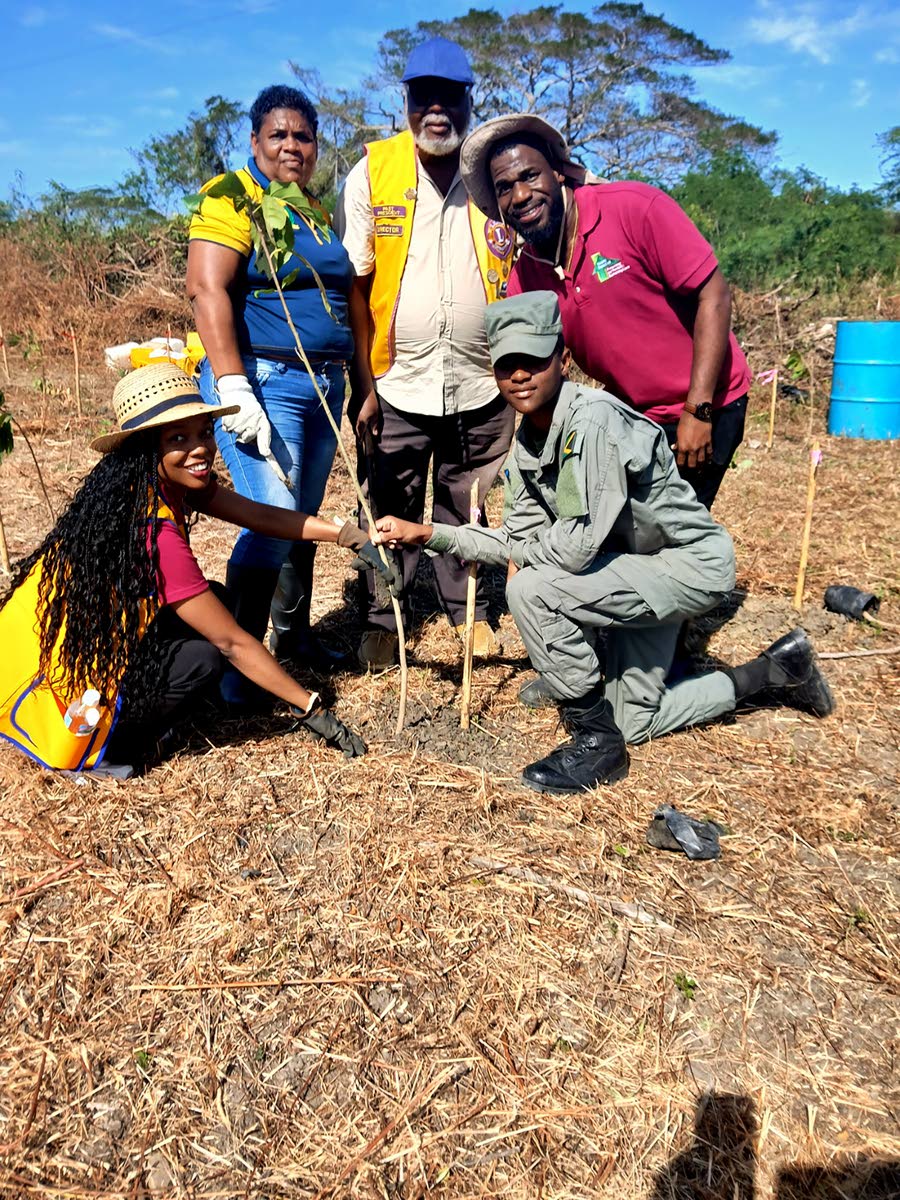
Andrew Hinds (right), forest manager at the Forestry Department (South East Region) joins volunteers from Jamaica 4-H Clubs, Jamaica Combined Cadet Force and Lions Club of Portmore for a photo moment after planting a tree in Innswood, St Catherine on Friday, February 6.
-
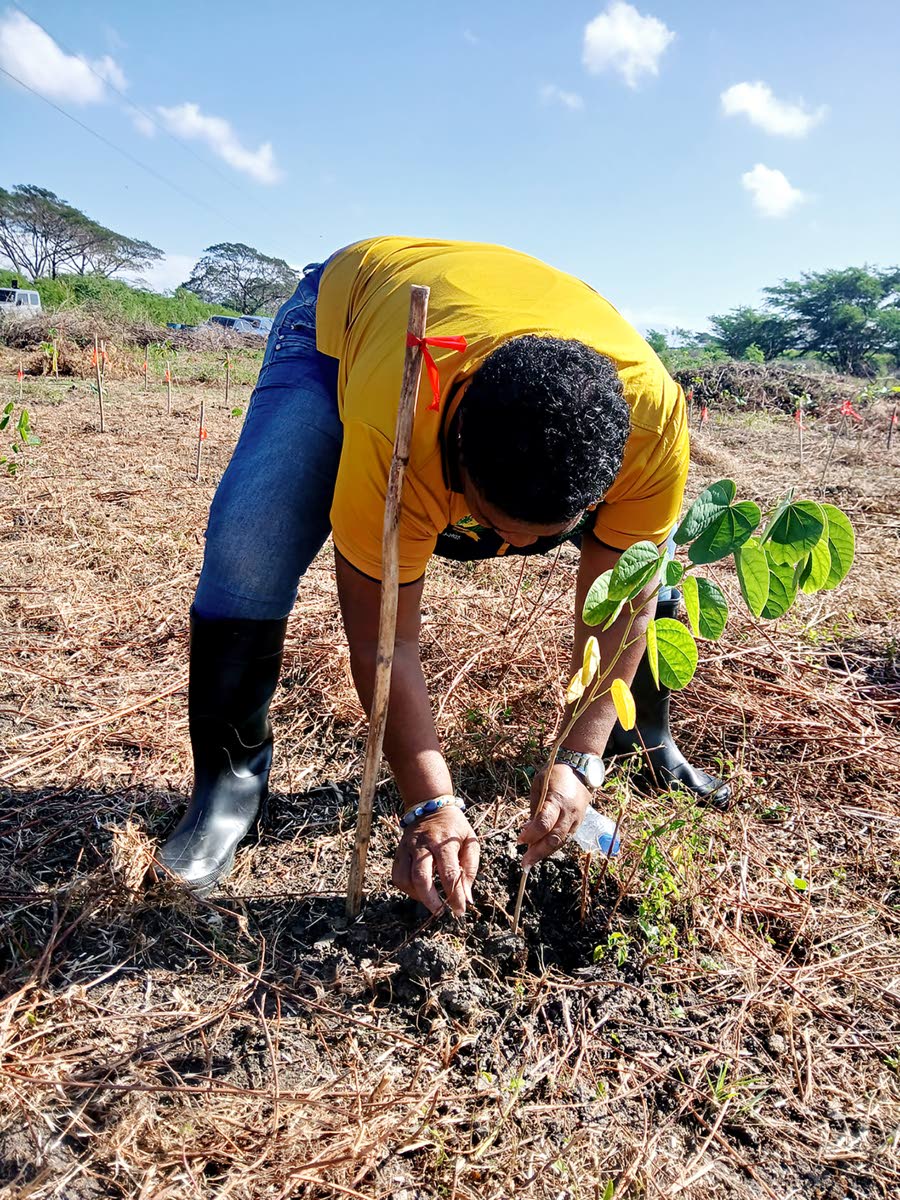 Sharlene Marshall, Eastern Regional Manager in the Jamaica 4-H Clubs, represented the organisation well as one of only 30 people who planted more than 1,300 trees, on lands in Innswood, St. Catherine, off Highway 2000 on Friday, February 6, 2026, during the three-day RE-LEAF tree-planting blitz.
-
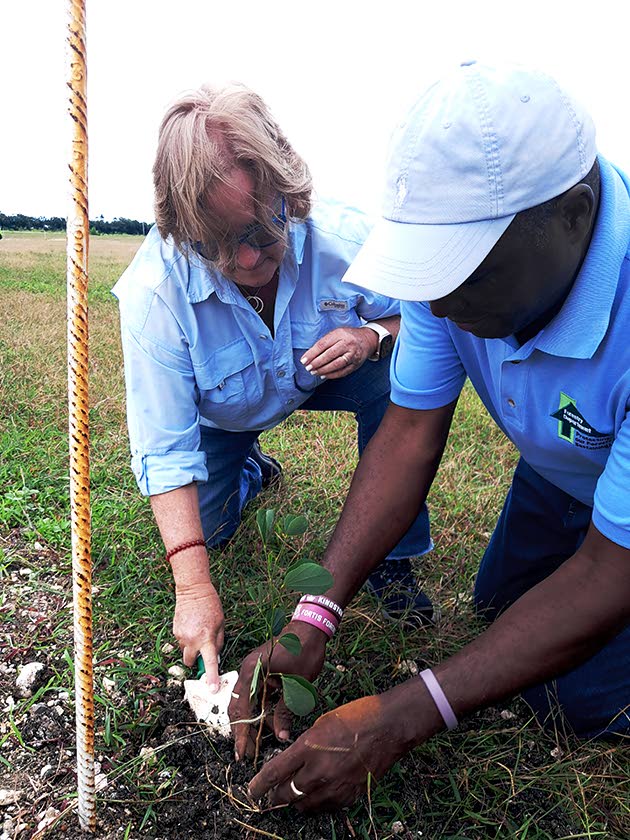 Amanda Maffessanti (left), property manager for Plantation Cove, St Ann, and Ian Wallace, Forest Manager (North West Region) at the Forestry Department plant a Poor Man’s Orchid tree seedling together, as part of the recent RE-LEAF tree-planting blitz.
THE FORESTRY Department is wasting no time in its efforts to restore Jamaica’s forest resources, in the aftermath of the devastation of Hurricane Melissa, which destroyed portions of the island’s tree cover.
“Melissa has come and taken out a significant portion of our trees. We recognise that. We also recognise that, even in a catastrophe, there is opportunity,” Ainsley Henry, conservator of forests and chief executive officer of the Forestry Department told The Gleaner in December, alluding to the tree planting efforts that were to come.
On February 6, the Forestry Department, together with a team of 30 individuals, planted some 1,300 trees on lands in Innswood, St. Catherine, as part of a tree-planting blitz under the Reforestation, Ecological Enhancement and landscape Framework (RE-LEAF) initiative. RE-LEAF is the national operational framework for the post-Melissa recovery and long term-resilience for trees, which offer a host of ecosystem benefits.
Trees provide food and fuel but also medicine, even as they regulate water cycles and improve air quality. Referred to as the ‘lungs of the earth’, they also sequester carbon and provide shade – functions that are essential in a time of climate change, which is causing the warming of the planet while triggering other impacts, including extreme weather events, the likes of Hurricane Melissa, but also sea level rise and coastal erosion, with implications for compromised water and food security and impaired public health.
On February 2, World Wetlands Day, the Forestry Department, joined by some 80 volunteers, headed to St. Elizabeth where they removed debris from the mangrove to jumpstart restoration of the degraded area. Mangrove forests also offer environmental and other benefits, including coastal protection against storm and hurricane events. They are also good carbon sinks, as countries worldwide have been asked to cut their emissions of greenhouse gases, including carbon dioxide and methane from human activities such as transportation and agriculture.
Phase one of the replanting efforts in Jamaica runs from January to June 2026 and is to see more than 250,000 seedlings planted. Some 170,000 of that number are to be prioritised for key watersheds and another 50,000 in urban and peri-urban areas, according to information from the Forestry Department. Some 30,000 fruit trees are also to be planted, in support of food security and community livelihoods. The initiative is supported by the Trees that Feed Foundation out of the United States.
pwr.gleaner@gmail.com