Debt to Cuba
Loading article...
-
 Former Prime Minister of Jamaica P.J. Patterson. Photo - File
-
Former Prime Minister of Jamaica P.J. Patterson. Photo - File
-
 P.J. Patterson, retired former prime minister of Jamaica. Photo - File
-
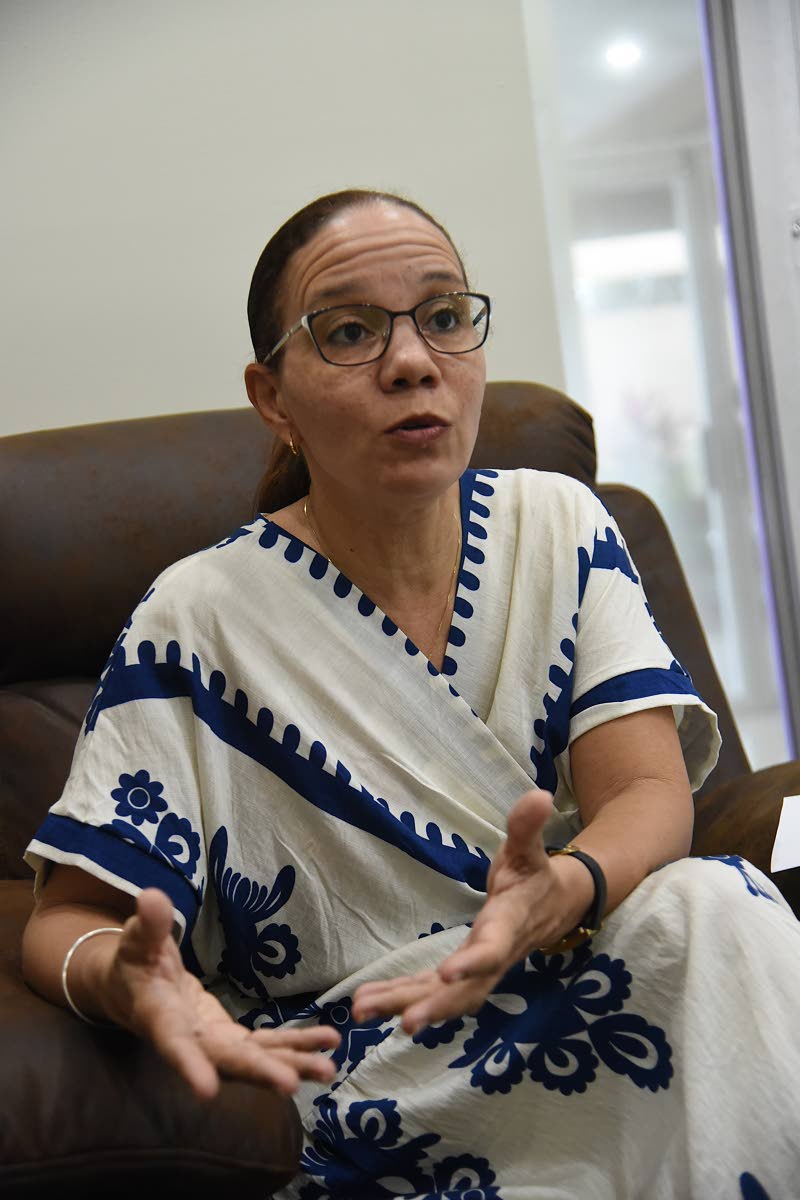 Tania López Larroque, Cuba’s ambassador to Jamaica. Photo - Ian Allen/Photographer
Retired former Prime Minister P.J. Patterson is calling for African and European nations that have benefited from Cuba’s decades of international solidarity to now stand in support of the Caribbean island as it confronts a deepening fuel crisis.
Patterson argued that countries which received Cuban assistance during struggles for liberation and educational advancement have a moral obligation to speak out as Cuba faces what has been described as ‘fuel starvation’ and threats against nations offering assistance.
The former Jamaican leader is among 10 retired Caribbean heads of government who recently expressed dismay at Cuba’s worsening situation, which comes along with 67 years of economic embargo.
Speaking with The Gleaner, Patterson said Africa, in particular, owes a historic debt to Cuba.
“Africa owes ever so much to Cuba. Without the intervention of Cuban troops, Angola would have been overrun by the racist hordes of South Africa. Apartheid would still be in existence, and Angola would not have been able to exercise its sovereignty,” he said.
He also pointed to Cuba’s international medical outreach, including assistance provided to Italy during the COVID-19 pandemic.
“For a country like Cuba, during COVID they sent a team to Italy to be of assistance. Are you saying to me that Italy and the countries of Europe cannot be motivated to render some tangible support, make their voices heard, and use all the diplomatic leverage at their disposal? All we are asking is for the United States to revoke this order,” Patterson said.
His comments referenced a January 29 executive order signed by United States President Donald Trump, which restricts Cuba’s oil supply by imposing trade pressure on countries that provide fuel to the island.
EUROPEAN RESPONSIBILITY
Turning to Europe, Patterson argued that Caribbean support for Western positions on global conflicts should be matched by solidarity towards Cuba.
“Europe expects us to give them support for their position on Ukraine as Russia seeks territorial expansion,” he said. “You cannot ask us to give support for something like that and then, when a neighbouring state is faced not just with territorial acquisition but the extinction of its people, we must remain silent.”
“Shouldn’t we expect at least expressions of support and humanitarian assistance in a time of unprecedented turbulence?” he added.
CARICOM AT A CROSSROADS
Patterson, who more than 50 years ago accompanied then Jamaican Prime Minister Michael Manley to Trinidad and Tobago for the 1972 signing of the Treaty of Chaguaramas and the establishment of diplomatic relations with Cuba, said the Caribbean Community (CARICOM) now faces a moment of political and moral reckoning.
“It’s a moment of decision, and I have every hope that the leaders will rise to the challenge,” Patterson said. “We can never accept, however small we are, that we live in a world where might is right – where countries with military and economic power oppress smaller states and dictate what we must or must not do.
“If we accept that, then what does sovereignty mean?”
While acknowledging the diplomatic risks countries may face in taking a principled stance, Patterson said such concerns should not result in surrender.
“We have to find the things on which agreement is possible,” he said. “There will be differences within the family from time to time, but in a humanitarian crisis, nobody in CARICOM should accept that we remain mute and indolent.”
CARICOM heads of government are expected to meet shortly for their upcoming summit, which US Secretary of State Marco Rubio is expected to attend.
Rubio, long before his appointment last year, has advocated regime change in Cuba, the homeland of his immigrant parents.
LONG-STANDING APPEALS
Patterson noted that Jamaica and much of the international community have repeatedly appealed at the United Nations for the removal of the US embargo against Cuba, without success.
He said the recent letter issued by former Caribbean leaders was not political grandstanding but a humanitarian appeal.
According to the former prime minister, the purpose was to argue against the total destruction of Cuba and to prevent the country’s disappearance from the face of the Earth.
Trump has described Cuba as a failed nation that needs to make a deal with the US.
Meanwhile, Rubio has urged CARICOM governments to discontinue Cuban medical and educational brigade programmes, describing them as forms of human trafficking.
CUBA DEFENDS MEDICAL PROGRAMMES
Cuban Ambassador to Jamaica Tania López Larroque rejected that characterisation, insisting that participation in overseas medical missions is voluntary.
“Our Cuban doctors are part of bilateral government programmes that sovereign governments decide independently,” she told The Gleaner. “Doctors who go to any country decide to do so. They are not obliged – they volunteer, and must go through a rigorous selection process.”
Each programme, she explained, has specific requirements, and candidates may decline participation without consequence.
“In case you have all the requirements and are still asked, ‘Would you like to go?’ – if you say no, you won’t come,” she said.
erica.virtue@gleanerjm.com