Proman moots Trinidad and Tobago produced methanol for regional energy security
Loading article...
-
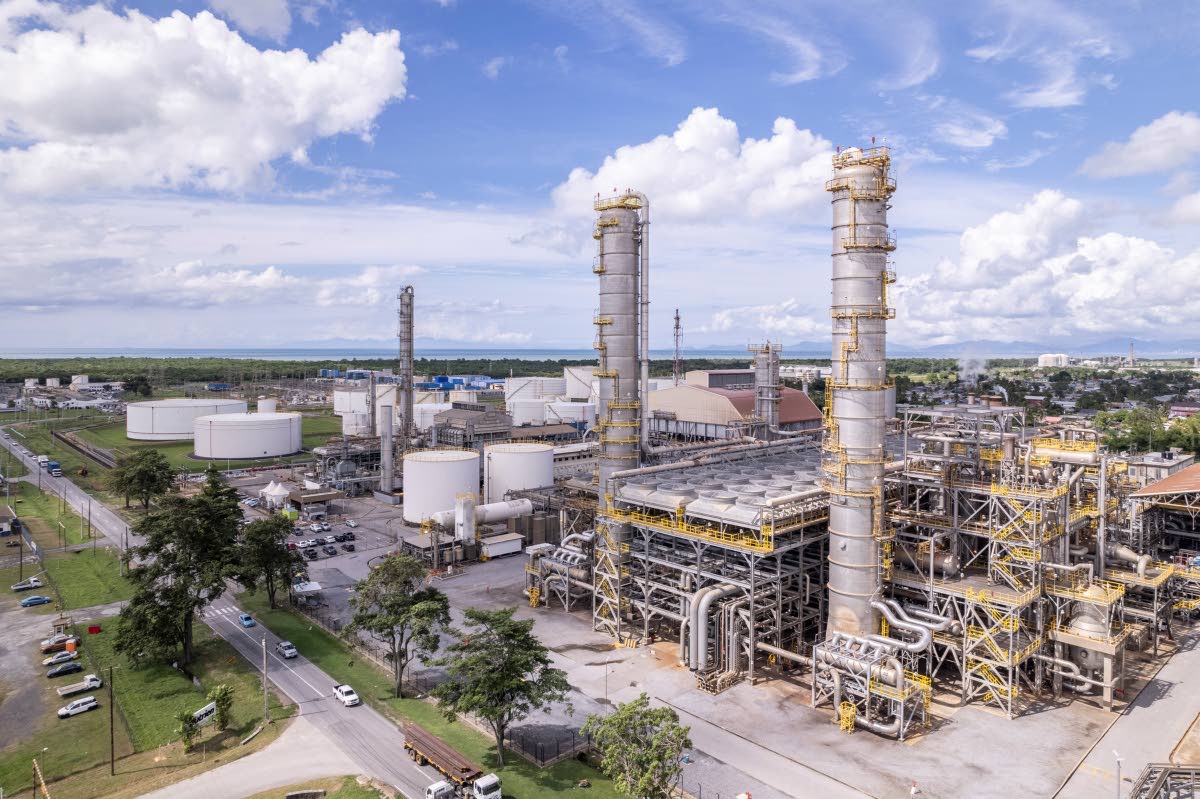 A view of the M5 Methanol Plant. Photo - Contributed
-
A view of the M5 Methanol Plant. Photo - Contributed
-
 David Knipe. Photo - Contributed
-
 Anand Ragbir. Photo - Contributed
As CARICOM leaders convened last week at the 50th Regular Meeting of the Conference of Heads of Government in St Kitts and Nevis to discuss issues including regional energy security, Proman Trinidad and Power32 highlighted the potential of Caribbean produced methanol fuel to power the region.
With the continued reliance on imports of polluting diesel and Heavy Fuel Oil in ageing power generation infrastructure in the region, Caribbean countries are faced with the dilemma of finding secure, affordable and lower emission solutions to replace it.
“We are asking CARICOM leaders to look close to home for a power solution,” said Anand Ragbir, executive director of Proman Trinidad. “Methanol produced in Trinidad can be easily and safely shipped to our neighbours to provide cleaner outcomes with fewer fuel miles and greater energy security.”
Methanol, a liquid at room temperatures, and without the need to install expensive, specialist storage and regasification infrastructure, is the simplest and most cost-effective switch-in alternative.
On combustion, it delivers 80 per cent less nitrogen oxides (NOx) than diesel and oil and almost zero sulphur oxides (SOx) and particulate matter (soot). This makes conventional methanol from natural gas immediately cleaner, and as the methanol molecule is the same no matter which feedstock it is produced from, this can be progressively blended with lower carbon methanol produced using carbon capture, utilisation and storage (CCUS) and green methanol, without the need for further on island infrastructure investments.
David Knipe, managing director of Power32 said “Proman established Power32 to deliver methanol powered solutions at scale and we see a specific benefit for the island nations near to our production hub in Trinidad.”
Explaining the benefits to the region, Knipe explained that breaking the connection with volatile oil and diesel pricing would have an immediate, positive impact on local economies as the reduction in annual fuel expenses could be redirected to investments in initiatives to support growth.
“This is why we are asking CARICOM leaders to reimagine the Caribbean electricity market,” he said.
Given the current challenges with extreme weather conditions, Ragbir said that sourcing a fuel, from within the region will go a long way in building energy self sufficiency. “This really is a Caribbean power solution, made in the Caribbean, for the Caribbean,” he said.