The silent threat
Loading article...
-
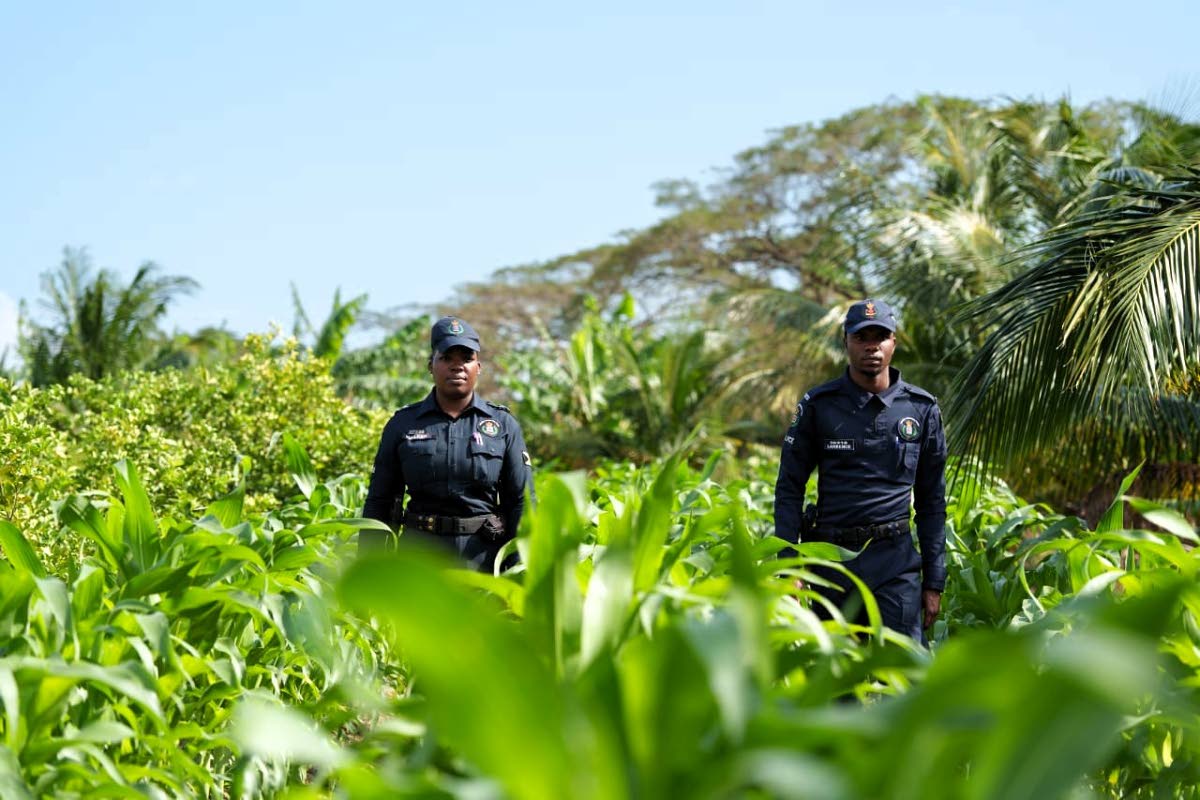 Corporal Shernett Walker (left) and Constable Gavonn Lawerence from Jamaica Constabulary Force’s Agricultural Protection Branch (APB) on a patrol at a farm in Hill Run, St Catherine.
-
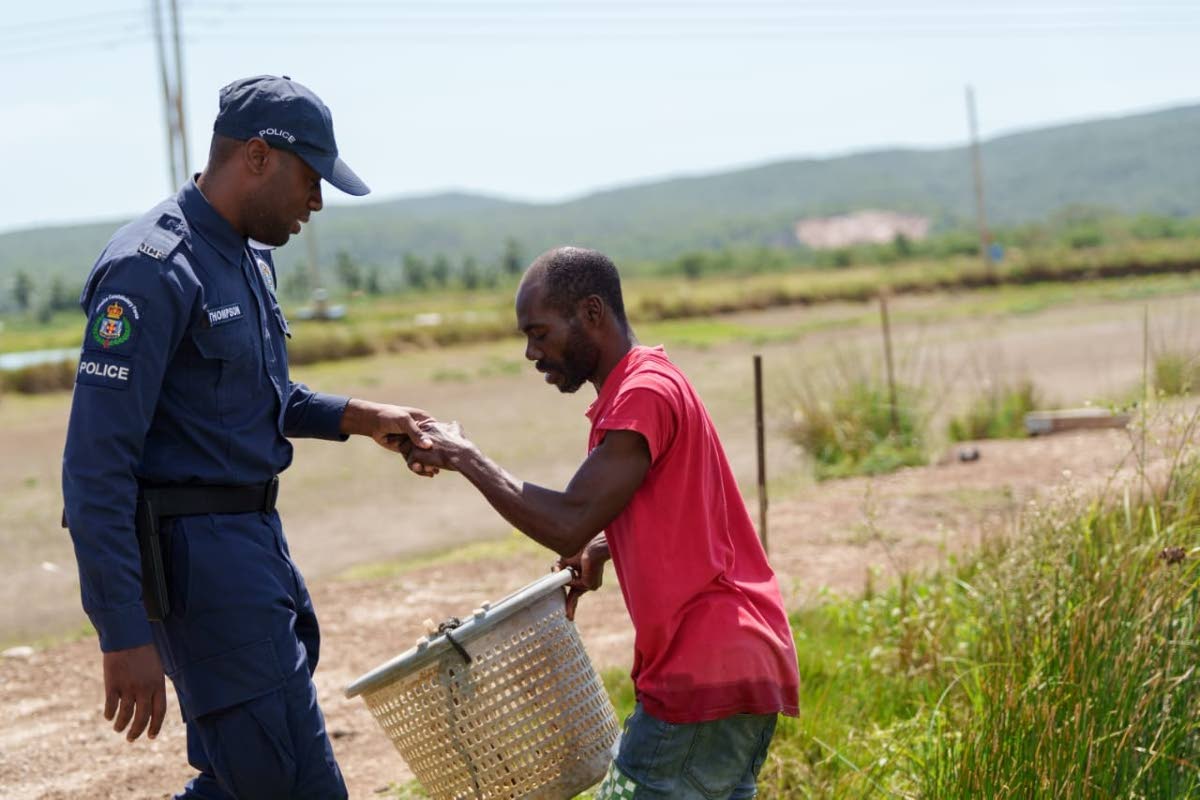 Constable Dayton Thompson of Jamaica Constabulary Force’s Agricultural Protection Branch (APB) interacts with a farmer in Hill Run, St Catherine.
-
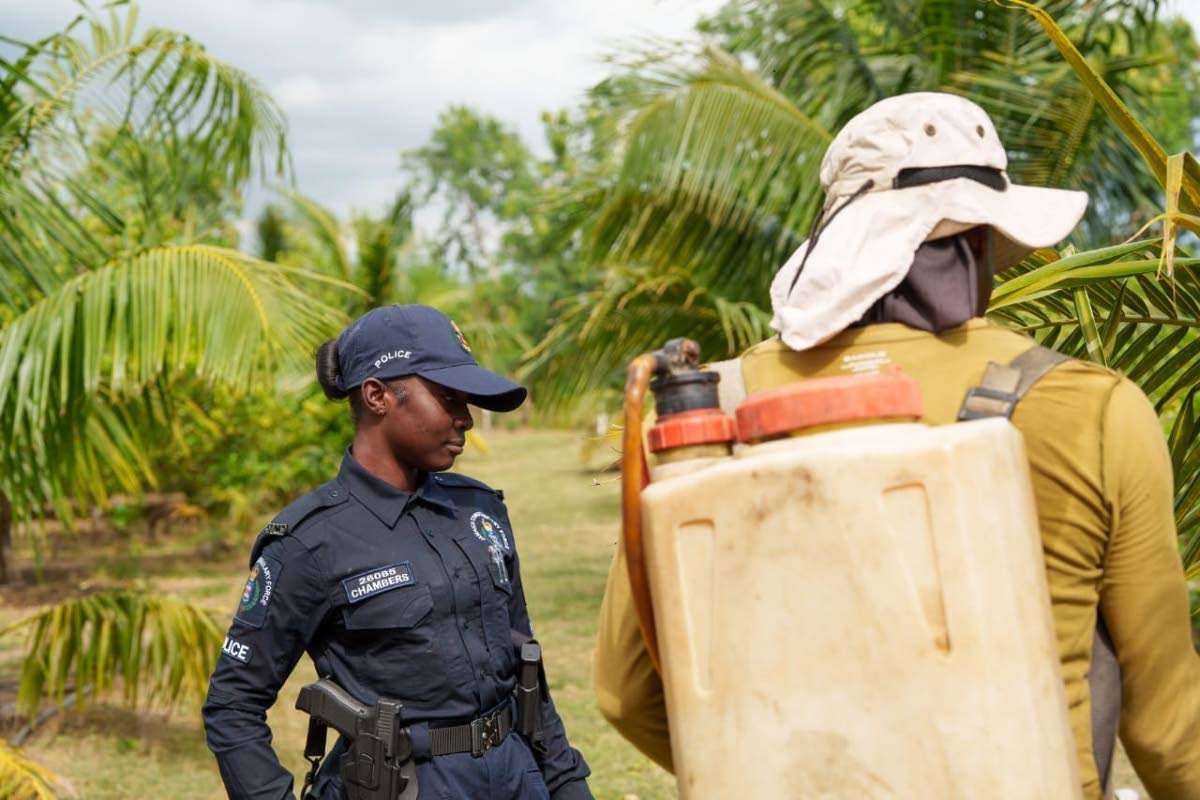 Contstable Shanakay Chambers of Jamaica Constabulary Force’s Agricultural Protection Branch (APB) at a farm in Hill Run, St Catherine.
The perception that agricultural theft, commonly known in Jamaica as praedial larceny, is a “lesser” offence or a “survival tactic” is a dangerous fallacy that undermines the rule of law and national stability.
There needs be a fundamental shift in mindset: a crime against a farmer is a crime against the State, and every infraction under the Agricultural Produce Act, Larceny Act, Food and Drug Act, Unlawful Possession of Property Act and Fisheries Act, among several others, must be met with the full force of the law to prevent economic ruin and a public health crisis.
LEGAL REALITY
The Jamaica Constabulary Force’s (JCF’s) Agricultural Protection Branch (APB) is at the forefront of a sector that significantly contributes to Jamaica’s Gross Domestic Product (GDP). When a perpetrator steals livestock or produce; they are not just taking “food”, they are violating specific statutes designed to protect the economy. Under the Law of Jamaica, ‘larceny is larceny’, regardless of the commodity.
The failure to view these acts as serious crimes emboldens criminal syndicates who use the proceeds of praedial larceny to fund violent activities, including the illegal trade of firearms. As law enforcers, we recognise that enforcing agricultural laws is a prerequisite for maintaining public order and protecting the livelihoods of thousands, especially registered farmers.
TRACEABILITY
Traceability is the backbone of a safe food system. It allows health authorities to track the movement of meat and produce from the “farm to fork”. When meat enters the market through illicit channels; stolen animals slaughtered in unsanitary conditions, the chain of traceability is broken. This poses a lethal risk to the Jamaican consumer. Meat not inspected by public health officials can carry zoonotic diseases such as salmonella, E. coli, and even bovine tuberculosis or anthrax.
Without proper slaughtering facilities and cold chain management, the bacterial load in meat increases exponentially, leading to acute food poisoning and long-term gastrointestinal complications for the populace.
CHEMICAL HAZARDS
The danger extends beyond livestock to the very crops in our fields. Farmers often use pesticides and fertilisers that require a specific “withdrawal period” before the produce is safe for human consumption. When thieves reap produce prematurely to sell on the black market, they are often distributing crops laden with toxic chemical residues. Short-term exposure to these chemicals can cause nausea, dizziness, and respiratory distress, while long-term ingestion is often linked to chronic illnesses, including hormonal imbalances and various forms of cancer. By treating agricultural crimes as minor issues, the society ignores a slow-acting poison being introduced into the national diet.
CALL TO ACTION
The APB, which has the mandate to educate the public, treats the agricultural sector as a matter of national security. Every arrest made for illegal transport of livestock (meat) or the theft of crops is a preventative measure against a potential health epidemic. We must uphold the integrity of our food sources by ensuring that every perpetrator is punished under the various laws that govern the sector. Only through rigorous enforcement and a collective respect for the skill of farming can Jamaica ensure a healthy, prosperous, and secure future.
Ultimately, the security of Jamaica’s food supply is inextricably linked to the rigour with which we enforce the laws. Law enforcement officers and the public must discard the archaic view that agricultural crime is victimless or minor offence; it is a direct assault on national stability, economic growth, and the physical health of every citizen.
When the APB and, by extension, the JCF treats a stolen goat or a raided field with the same investigative urgency as any other felony, it sends a clear message that the sweat and investment of our farmers are sacred. By upholding the stringent standards of the Agricultural Produce Act and ensuring that only traceable, legally obtained food reaches our tables, we protect the nation from the dual threats of organised crime and life-threatening illnesses.
Taking farm-related crimes seriously is a vital act of national defence that ensures the long-term survival and well-being of the Jamaican people.