Earth Today | Partnerships key to solving food waste woes
Loading article...
-
 Think Eat Save snap
-
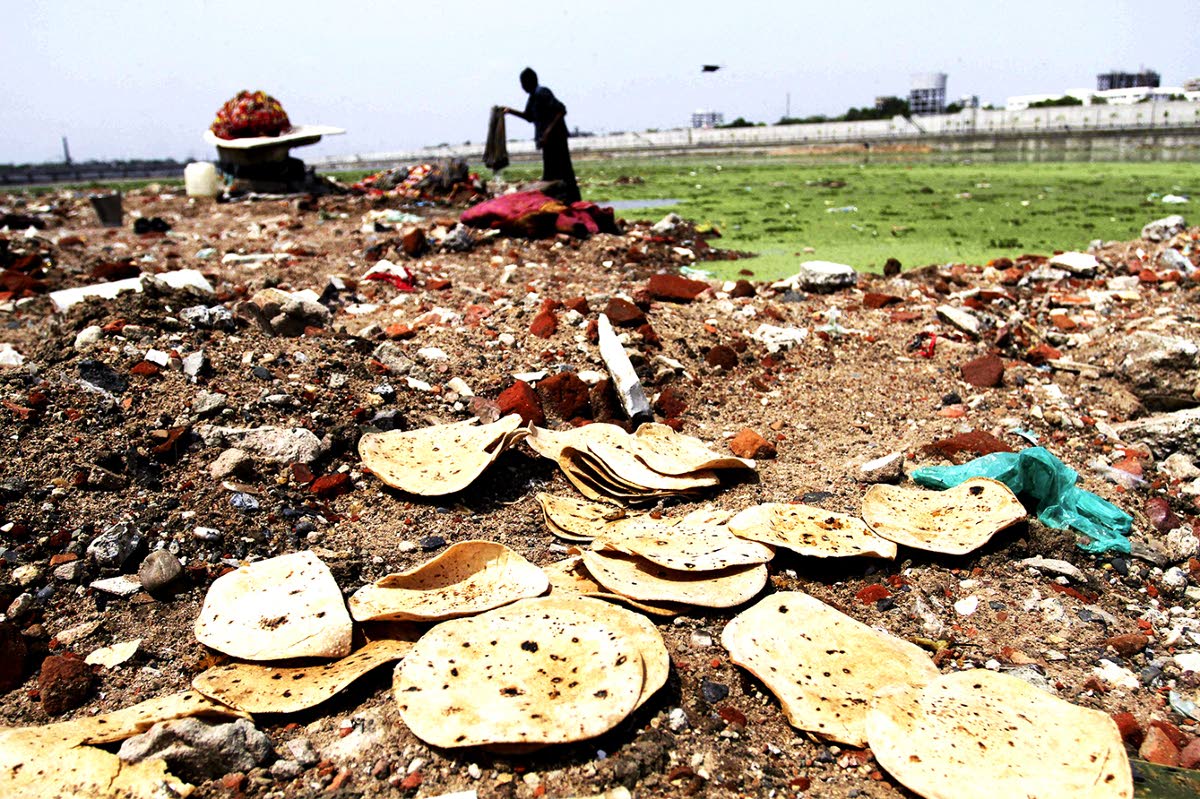 This June 5, 2013 file photo shows discarded rotis, or Indian bread, along the river bank as an Indian man cleans clothes in the polluted Sabarmati River in Ahmadabad, India. In a United Nations Food and Agricultural Organization report released Wednesday, Sept. 11, 2013 by the Rome-based food agency, one-third of all food produced in the world gets wasted, amounting to an annual loss of $750 billion ($995 billion). The report said food waste hurts the environment by causing unnecessary carbon emissions, extra water consumption and the reduction of biodiversity as farming takes over more land. The most serious areas of waste are of cereals in Asia and meat in wealthy regions and Latin America.
AS THE world turns its gaze to International Day of Zero Waste on March 30, the role of collaborative best efforts to tackle food waste – the focus of this year’s observance – was highlighted from as far back as two years ago.
The 2024 Food Waste Index report of the United Nations Environment Program (UNEP) notes that such efforts, exemplified by public private partnerships, are necessary for the achievement of Sustainable Development Goal 12.3, to halve per capita global food waste at the retail and consumer levels and reduce food losses along production and supply chains, including post-harvest losses by 2030.
“From inception, public private partnerships (PPPs) are shaped by the signatories, through agreeing on collective targets. PPPs should then evolve as the signatory base grows. Successful PPPs enlist organizations throughout the supply chain including manufacturers, retailers, wholesalers, food service organisations, waste management companies, trade bodies, agricultural businesses and farmers. In addition to ensuring that members span the food supply chain, recruitment should be carefully planned and strategic,” said the report, titled Think, Eat, Save: Tracking Progress to Halve Global Food Waste, explaining the role of the private sector.
“Recruiting high-profile organisations can build confidence in the agreement and attract additional members. Businesses should fully participate and engage with existing agreements in their countries of operation and incorporate the most impactful changes identified through the work of those agreements. Where there is not yet an agreement, businesses can demonstrate leadership in delivering SDG 12.3 by proactively encouraging the formation of one, engaging with government, their peers and global experts, such as UNEP and Waste and Resources Action Programme, to establish an agreement in line with the best global models,” it added.
This comes against the background of a planet and people burned by food waste that produces some eight to 10 per cent of global greenhouse gas emissions each year while fuelling habitat loss due to the conversion of natural ecosystems into agriculture lands.
And even as nature comes under pressure from food waste, so do individuals, with “up to 783 million people are affected by hunger each year, and 150 million children under the age of five suffer stunted growth and development due to a chronic lack of essential nutrients in their diets”, the report revealed.
Also important is the public sector, for a comprehensive public-private partnership defined by strategy and commitment, collaborative activity, outputs and impact and which serves both people and planet.
FINANCIAL SUPPORT
“How governments can engage with PPPs can be multifaceted but can include providing an evidence base to support the creation of a PPP, bringing organisations together to build and maintain a PPP and by providing funding support. In regard to funding, research has suggested that PPPs with financial support from governments as well as private members are more likely to be stable and effective, as PPPs that are solely privately funded are at risk of being designed to accommodate the priorities of the largest funders,” the report said.
“Aligning the objectives of a PPP with government policy can also lead to quicker implementation and greater impact. Governments have much to gain from the PPP model in terms of savings, operational sustainability and food security. PPPs can deliver significant carbon benefits so help to meet greenhouse gas policy objectives; they also help to reduce costs of waste disposal for cities. Governments and jurisdictions have gained significant benefits from supporting the PPPs in their locality and could seek to assign budget of the scale needed to deliver on SDG 12.3. The return on investment financially, socially and environmentally is compelling,” it added.
International Day of Zero Waste was established by a UN General Assembly resolution, with the inaugural observance in 2023. The day provides a platform for public and private sector players and communities to take action to eliminate waste while embracing more sustainable solutions for a healthier planet.
pwr.gleaner@gmail.com