News
June 28 2026
‘Truth is the beacon’ - AI era could make broadcasters more valuable, conference told
Updated
June 28 2026
3
min read
Loading article...
-

Ashwini Kotaru, chief operating officer of Mobius by Gaian.
-
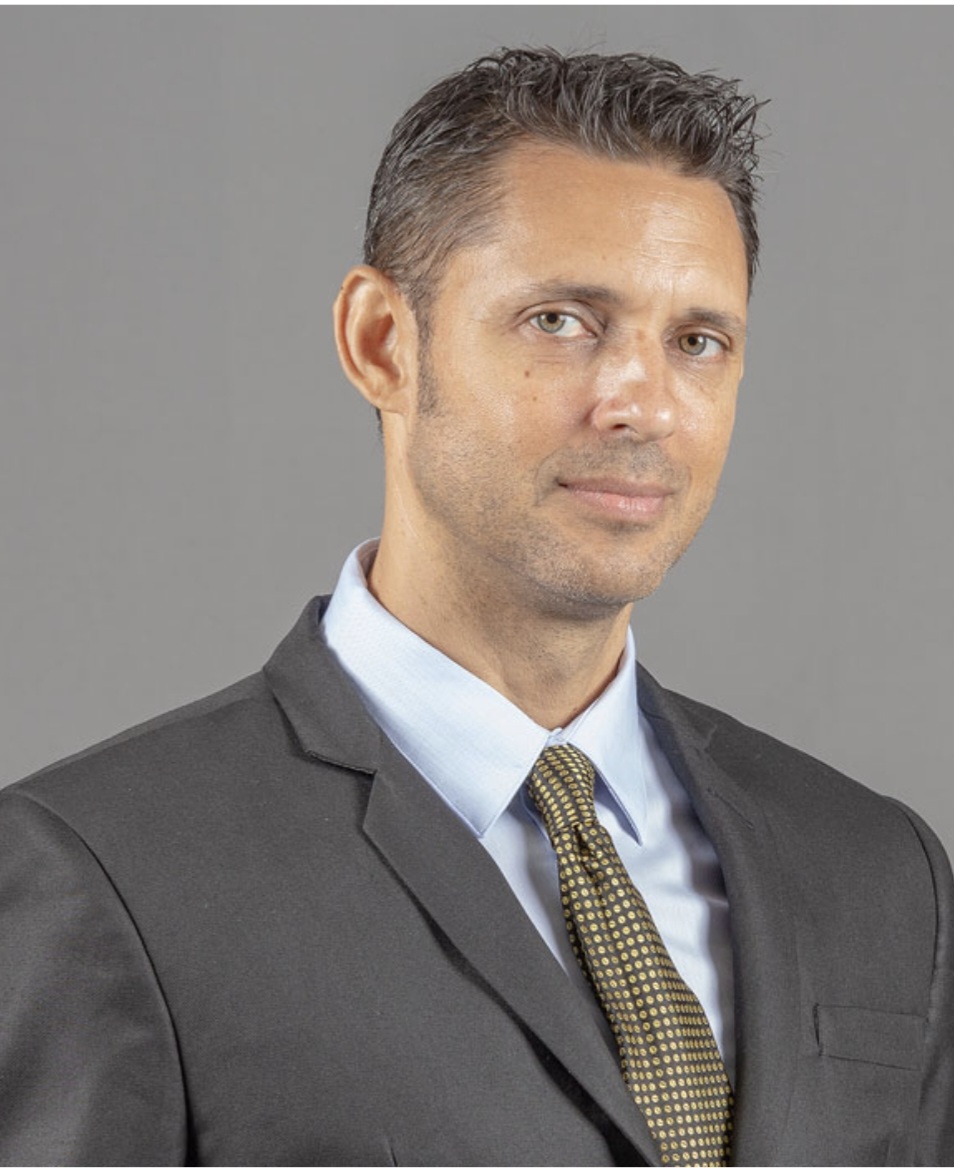
Brian Schmidt, acting managing director of Irie FM.
Artificial intelligence (AI) presents broadcasters with their greatest opportunity in decades to reaffirm themselves as society's most trusted source of information, rather than a threat to their survival, according to Ashwini Kotaru, chief operating officer of Mobius by Gaian.
"Think about where broadcasting has come from. In a world of uncertainty where we had to tell the truth to the public … we are in the same uncertain age again," Kotaru said Thursday during the Broadcasting Commission of Jamaica's 40th anniversary conference.
The conference, hosted by the Broadcasting Commission of Jamaica — the island's broadcast regulator responsible for content standards, licensing oversight and technical policy direction across radio and television — marked four decades of the agency's role in shaping Jamaica's media landscape. It brought together local and international industry leaders to examine how traditional broadcasting is being reshaped.
"The same AI models, when nudged differently, can give you different answers. So, in a world of synthetic noise, the truth is the beacon that broadcasters have. Becoming that truth beacon for every audience … they already have the infrastructure to do it," said Kotaru.
Mobius by Gaian is an AI and digital company.
Kotaru argued that while AI is already automating tasks such as content generation and scriptwriting, it cannot replace the editorial judgment, credibility and trust broadcasters have built with audiences over decades. Instead of viewing AI as a threat, she urged media houses to shape the technology with the industry's values, saying those who move first will have the greatest advantage.
The issue of trust also featured prominently during a panel on the future of radio, where industry leaders argued that despite the proliferation of streaming services, podcasts and algorithm-driven platforms, radio's competitive edge remains its ability to deliver credible, local information when audiences need it most.
That point was underscored by Brian Schmidt, acting managing director of Irie FM, who said much of what is now described as podcast innovation is already rooted in long-established radio practices.
"The podcast space is dominated internationally by radio programming, and a lot of people don't understand what is really happening in those spaces," Schmidt said, adding that radio's relevance lies in human connection and trust.
"What makes radio important and relevant is humanity and connection; and we really need to lean into that. Radio is no longer just theatre of the mind … radio is growing worldwide."
Schmidt's comments reflected a broader view across the conference that traditional media is not being displaced by new platforms, but is instead extending its influence into them.
That emphasis on trust and connection was echoed by Al Robinson, founder and chief executive officer of Mello Media Group, who said the future of radio will ultimately be defined less by technological disruption and more by the strength of its relationship with audiences.
He pointed to the aftermath of Hurricane Melissa, which left parts of western Jamaica without electricity and reliable internet access, as a reminder of radio's enduring public value. In those moments, he said, families still turned to battery-powered sets for verified local information.
While music is now available across countless digital platforms, Robinson argued that trusted local news cannot be replicated or replaced.
"When a hurricane approaches, when a road is closed, when elections are taking place, or a community needs a voice, people are still turning to their local radio stations, and that relationship is built on trust. Trust cannot simply be downloaded."
Speakers at the conference also highlighted the legal and regulatory challenges emerging alongside AI adoption. Among the concerns were intellectual property protection, as AI systems can access, reproduce and repurpose vast amounts of data — including copyrighted and confidential material — raising questions about ownership and control.
They also pointed to the growing risk of deepfakes and AI-driven scams, where voice- and image-cloning technologies can be used to impersonate individuals and spread misinformation or fraud, and noted concerns about data and consumer protection. It was noted that regulatory frameworks must ensure creators retain rights over their work and are fairly compensated when it is used for commercial gain.
corey.robinson@gleanerjm.com