Tiny isles, giant hearts World falls for Cabo Verde after heroic performances on biggest football stage
Loading article...

They came as the Cinderellas of the FIFA 2026 World Cup, but by the end of the first round, Cabo Verde (Cape Verde) ‑ the tiny archipelago in the central Atlantic Ocean off the West African coast – had become the darling of the competition being hosted across Canada, the United States and Mexico.
It took a gift to Argentina in the form of an own goal to end their dream debut on Friday night after a thrilling display of beautiful football and even more brilliant goalkeeping.
It’s a safe bet that the entire football world is now learning more about this country.
Drawn in Group H alongside Spain, Uruguay, Argentina and Saudi Arabia, Cape Verde was the only team to reach the round of 32 without winning a match, but also without losing one.
In their final match, they took the defending champions into extra time after being level at the end of regulation and additional minutes.
The legendary Lionel Messi got past 40-year-old Cape Verde goalkeeper Josimar ‘Vozinha’ Dias in the 29th minute. The teams were all square at 1-1 when Duarte beat Argentinian goalkeeper Emiliano Martinez to silence the Miami crowd.
It would not be the first time someone said, ‘but wait’, and may even have said “dammit” during the match.
Lisandro Martinez struck back in the 92nd minute, but Lopez Cabral silenced the crowd once again in the 103rd minute and frustration was evident on the faces of the Argentinians – on the field, on the sidelines and in the stands.
It took a gift from Diney Borges in the 111th minute to end the dream debut of the team from off the coast of West Africa.
The defending champions went ahead 3-2 in extra time and that proved to be the final score.
The team’s story was also the story of Vozinha, who became a viral sensation, moving from thousands to millions of followers after their first game in the competition.
He made seven crucial saves, at least three of which were considered spectacular.
At 40, his story has captured global audiences and, along with the team’s performance, has impressed commentators and millions around the world.
‘Vozinha’, which means “little granny” in Portuguese, is a nickname affectionately given to him because he was raised by his grandparents.
Considered a talented youth player, he was reportedly overlooked by coaches because of his height and did not turn professional until he was 25 years old.
After his spectacular performances, he earned man-of-the-match honours for his team and became the oldest player to debut in a country’s first World Cup match.
Emotional weight
In an emotional aftermath following the final whistle against Spain, Vozinha was overcome with emotion and broke down in tears on the pitch.
In post-match interviews, he explained the emotional weight behind those tears.
His grandparents, who raised him, were now deceased and unable to see him reach football’s biggest stage.
His mother could not attend the match in the US because of expensive visa bond requirements that the family could not afford.
She eventually made it to the World Cup to see her son, a trip credited to a Chinese businessman who flew her free of cost to witness him represent his country on football’s biggest stage.
Outside of their football prowess, the islands are best known as a tourist destination.
With dramatic coastlines, wind-sculpted dunes and volcanic terrain, Jamaica-born British international fraud specialist Karen Bailey vacationing on the islands had been on her to-do list long before their entry into the World Cup.
The country is a premier destination for eco-tourism and outdoor sports, which Bailey, like many others, has spent the last decade documenting in her travels across the continent.
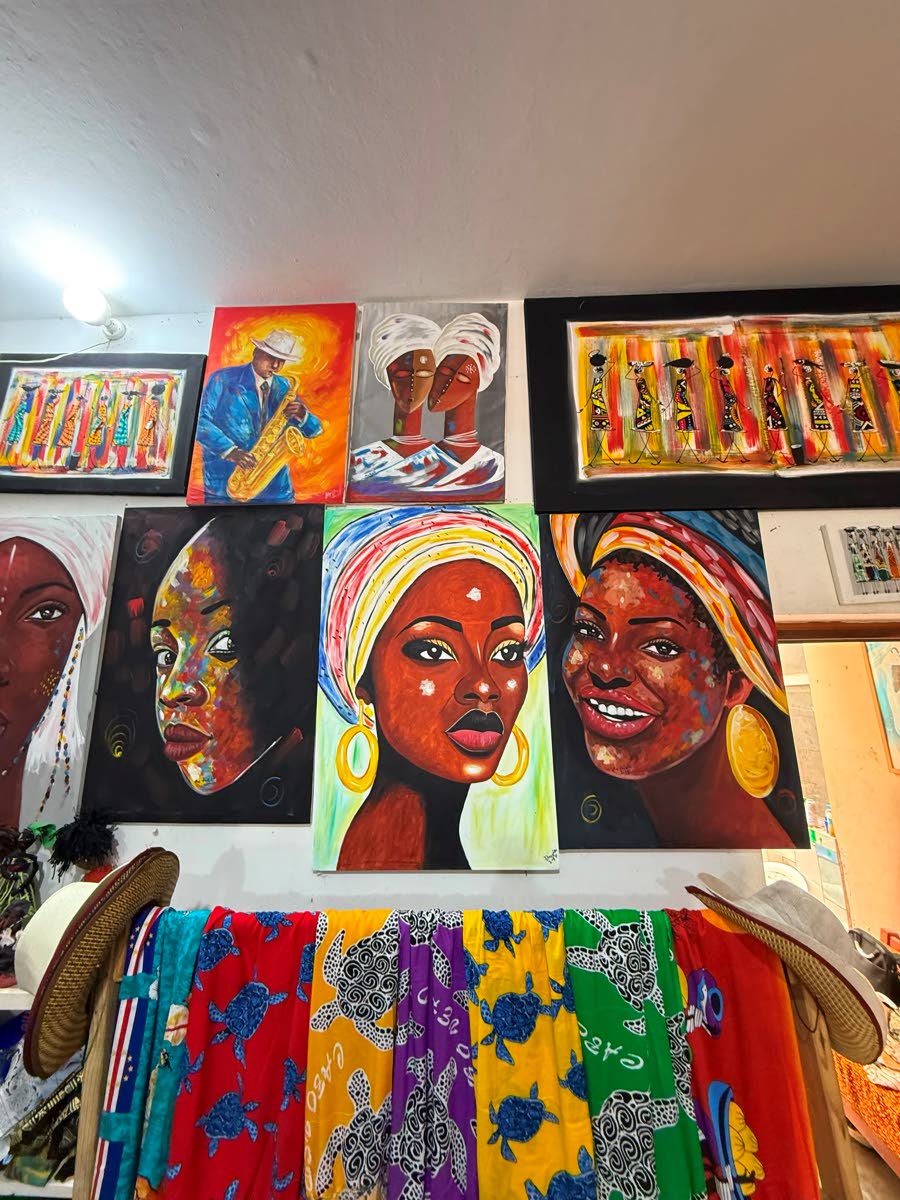
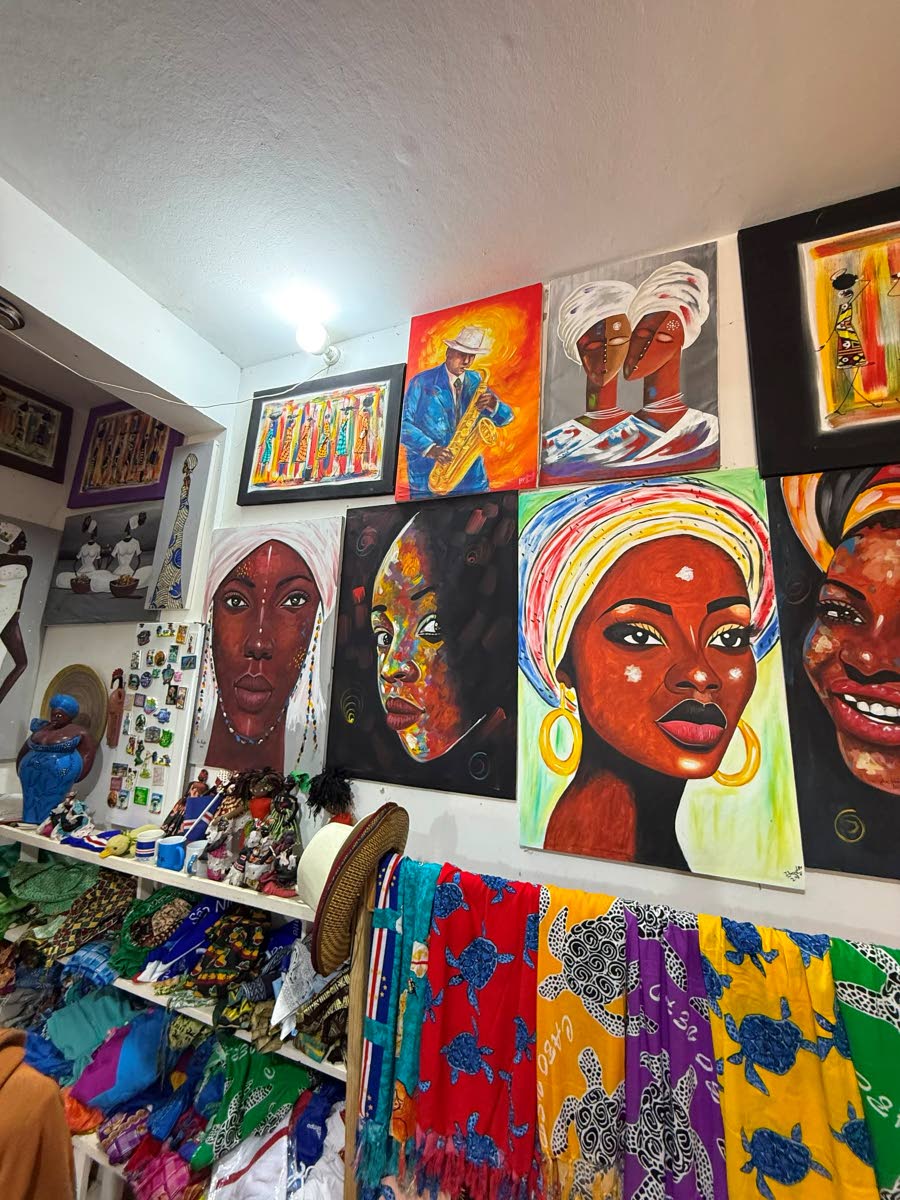
“We (myself and my daughter) want to visit Cape Verde because it has a mix of stunning beaches, volcanic landscapes, vibrant African culture (including history of slavery) and incredible music all in one place. I learnt too that it is a welcoming and peaceful place where you can relax, explore, and experience something truly unique and the best part is that it’s only about five hours flight from London,” Bailey told The Gleaner.
Bailey, in photographs of her travels, proudly displays the Jamaican flag.
A place to recover
Gregory Sutherland is a Jamaican engineer who lives and works in the United Kingdom. When his mother died in 2024, he wanted a quiet place to recover and grieve.
Cape Verde’s appeal was driven by cost.
He shared his experience visiting the island.
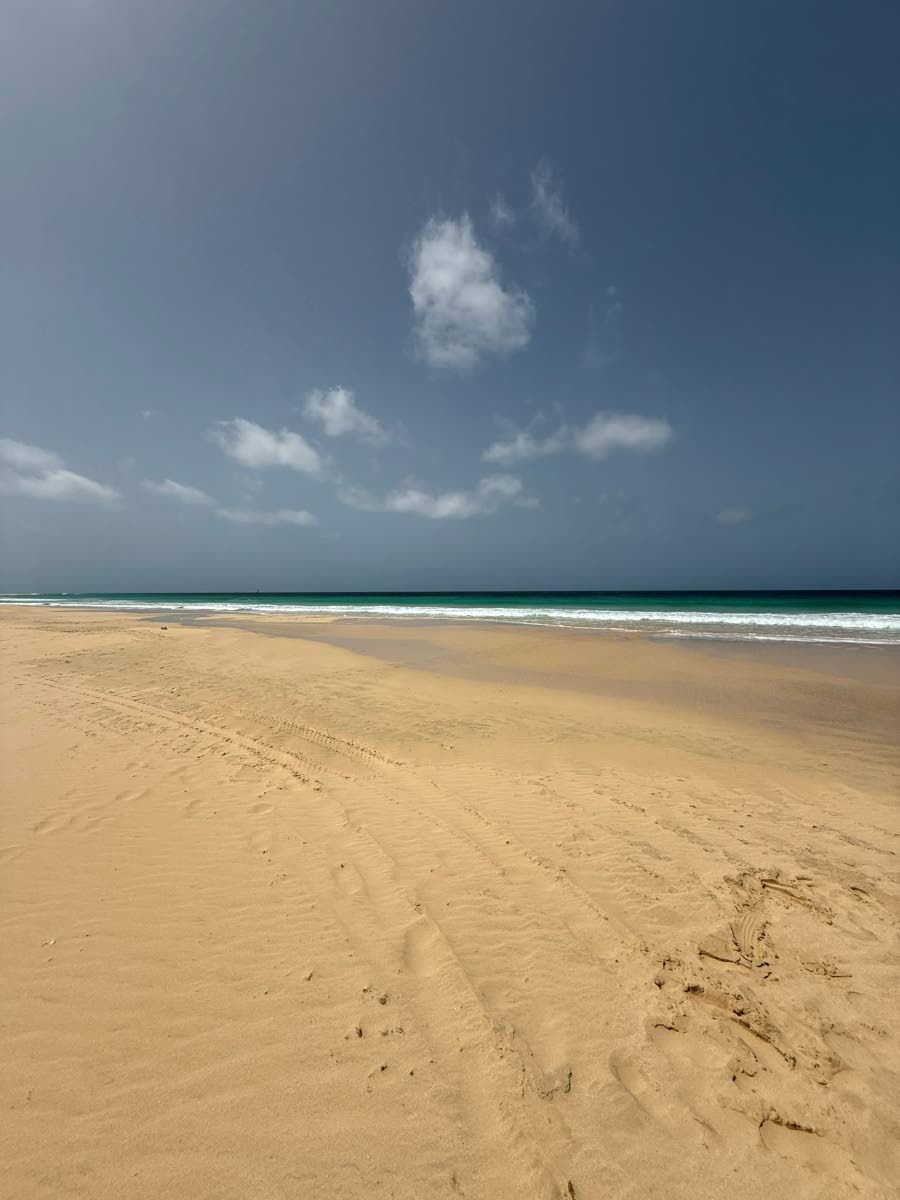
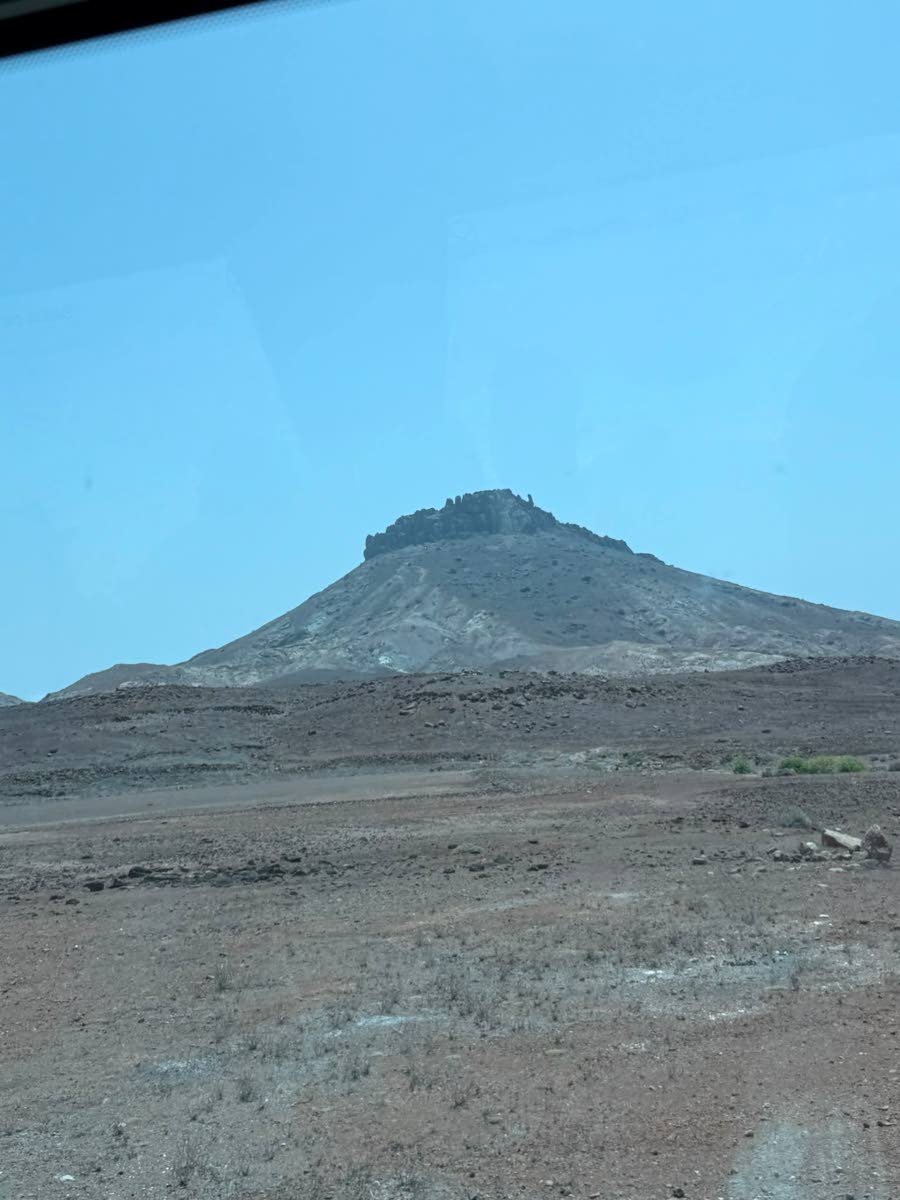
“The topography of the island is very volcanic, so there’s a lot of volcanoes there and from the air you could see the volcanic peaks, volcanic sand. But the beach is a shoreline, beautiful, untouched, because this is a part of the island that’s just starting to develop. They have two resorts there, two real resorts on that island (Sal) under the RIU brand, which also operates in Jamaica,” Sutherland told The Gleaner.
According to him, during a tour of the island, he saw that there were several unfinished resorts left over from the COVID-19 period.
A tourism-dependent economy, he learnt that the developers had pulled out, leaving the unfinished buildings.
“The buildings are covered with grass and bush, and stuff like that. The operating resorts predated COVID. The food is typically aimed at the tourists but I did see plantains, fried like how we are accustomed to having it. While the hotels cook for a cosmopolitan crowd, the locals eat a lot of seafood,” he told The Gleaner.
The weather, too, is much like Jamaica.
“Some days very hot and others mostly very warm, influenced by the cool winds that go south. The beaches are white sand, but you can see the impact of volcanic ash. But I am going to say it’s untouched and beautiful,” Sutherland said in describing his experience of Cape Verde.
Not endowed with natural resources, the country’s developing economy is mostly service-oriented, with a growing focus on tourism and foreign investment.
He said Sal is to Cape Verde’s tourism what Montego Bay is to Jamaica’s.