Plastic tide
Loading article...
-
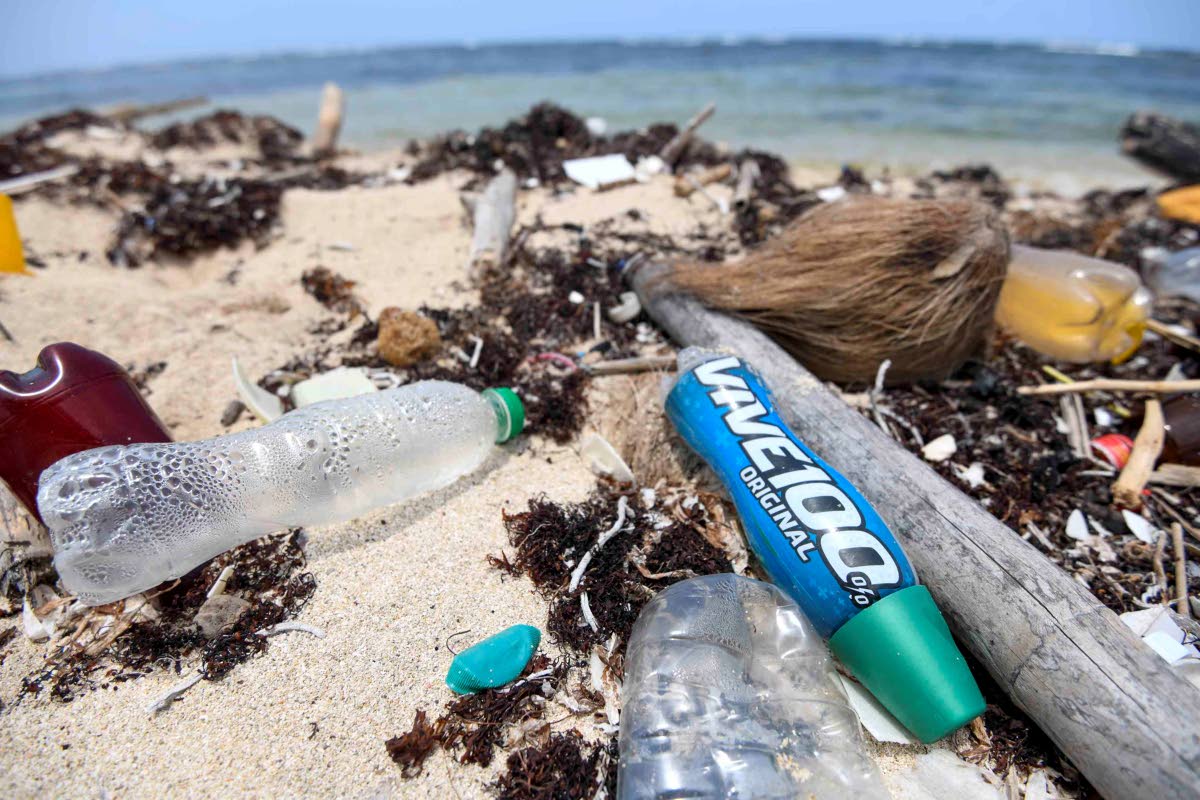 Plastic bottles and other waste from other countries washed ashore in Holland Bay, St Thomas. Photo - Antoine Lodge/Photographer
-
Plastic bottles and other waste from other countries washed ashore in Holland Bay, St Thomas. Photo - Antoine Lodge/Photographer
-
 Dr Theresa Rodriguez-Moodie: Tackling marine litter at the scale and complexity of this challenge requires coordination, resources and systems that connect local knowledge and community action with national planning, policy and enforcement. Photo - Antoine Lodge/Photographer
-
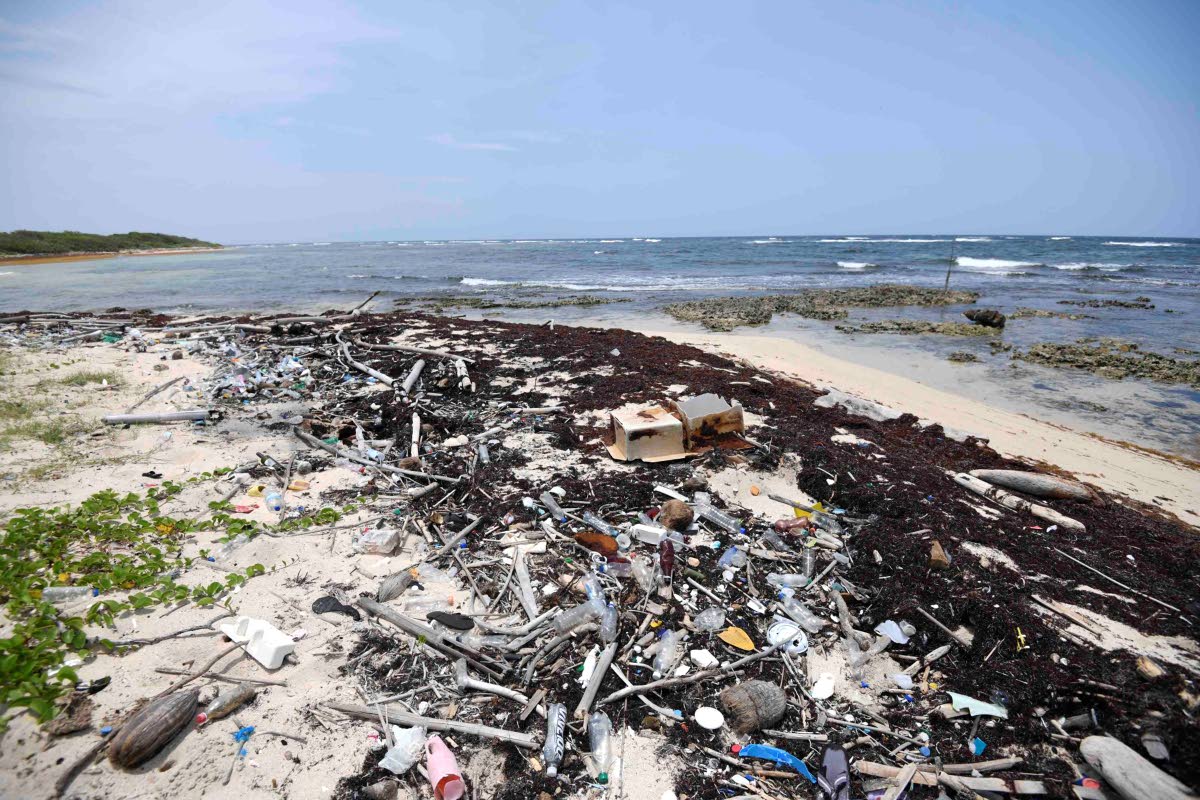 Garbage washed ashore in Holland Bay, St Thomas, by sea currents guided by the northeast trade winds. Photo - Antoine Lodge/Photographer
-
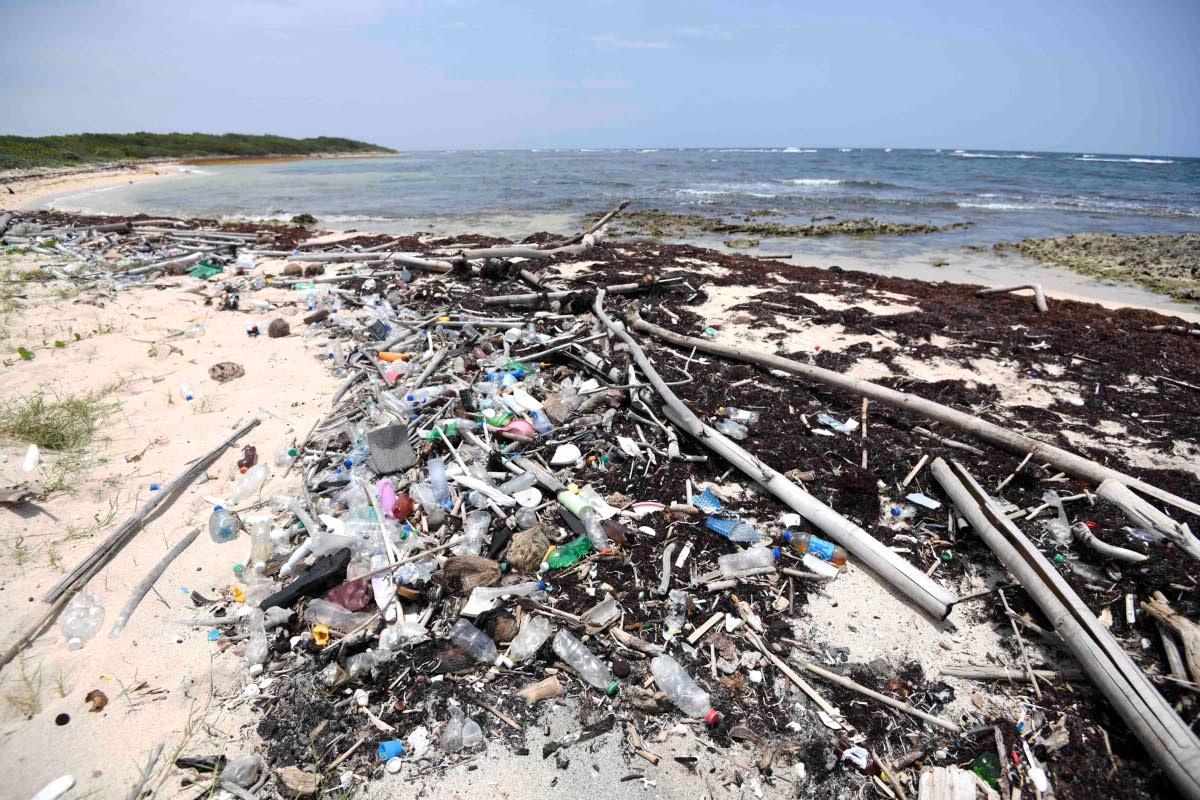 Garbage washed ashore in Holland Bay, St Thomas, by sea currents guided by the northeast trade winds. Photo - Antoine Lodge/Photographer
-
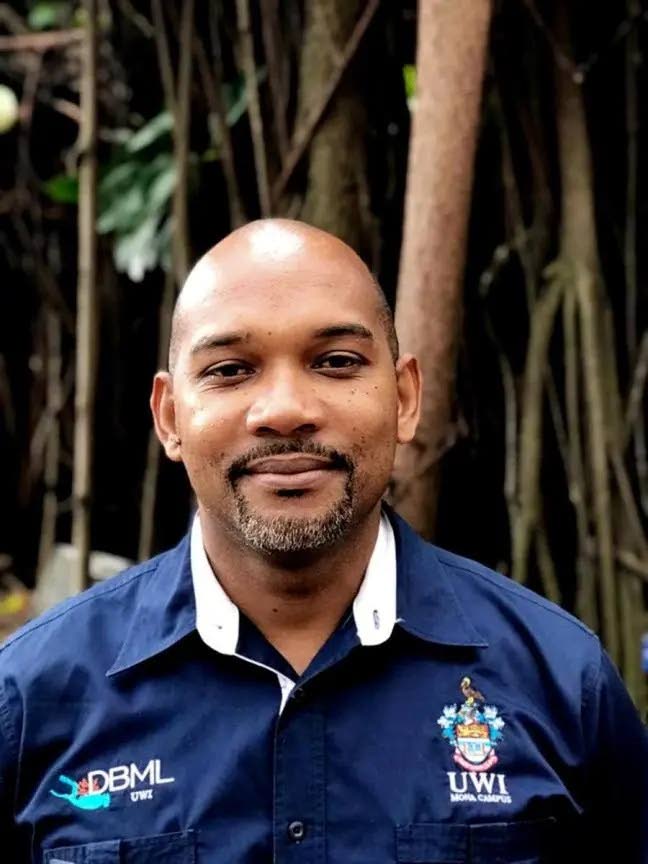 Dr Camilo Trench, academic coordinator for the Department of Life Sciences at The University of the West Indies’ Discovery Bay Marine Lab in St Ann. Photo - Contributed
-
 Gillian Guthrie, chief technical director in the Ministry of Water, Environment and Climate Change. Photo - Contributed
-
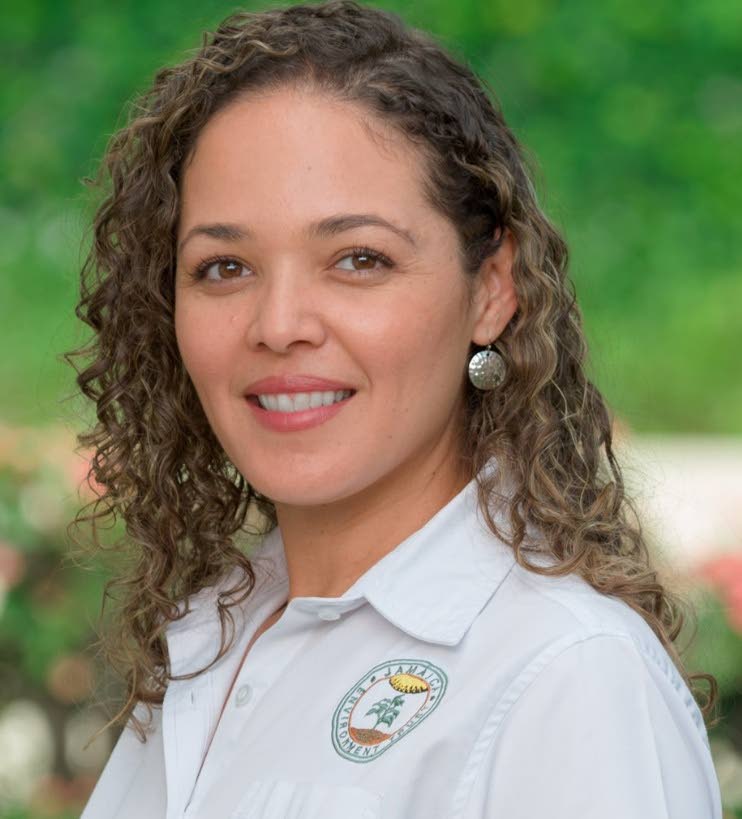 Jamaica Environment Trust CEO Theresa Rodriguez-Moodie
-
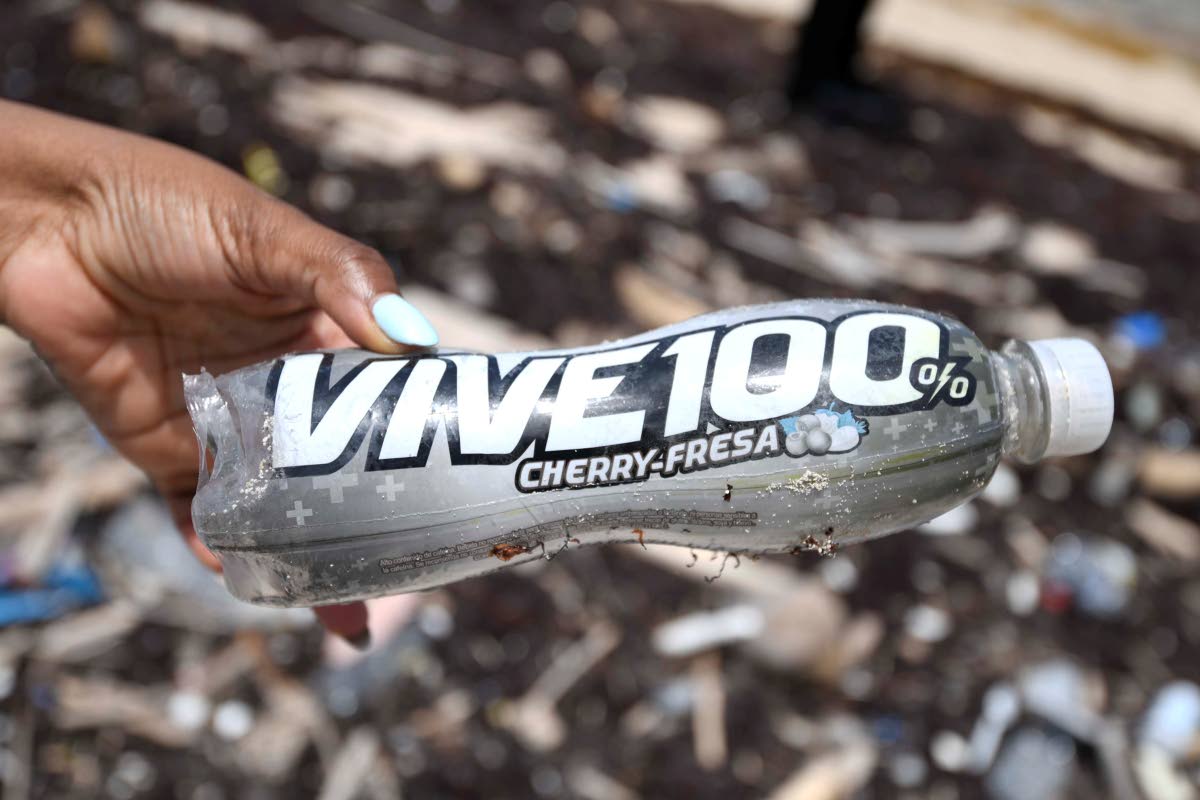 A plastic drink bottle washed ashore in St Thomas. Photo - Antoine Lodge/Photographer
-
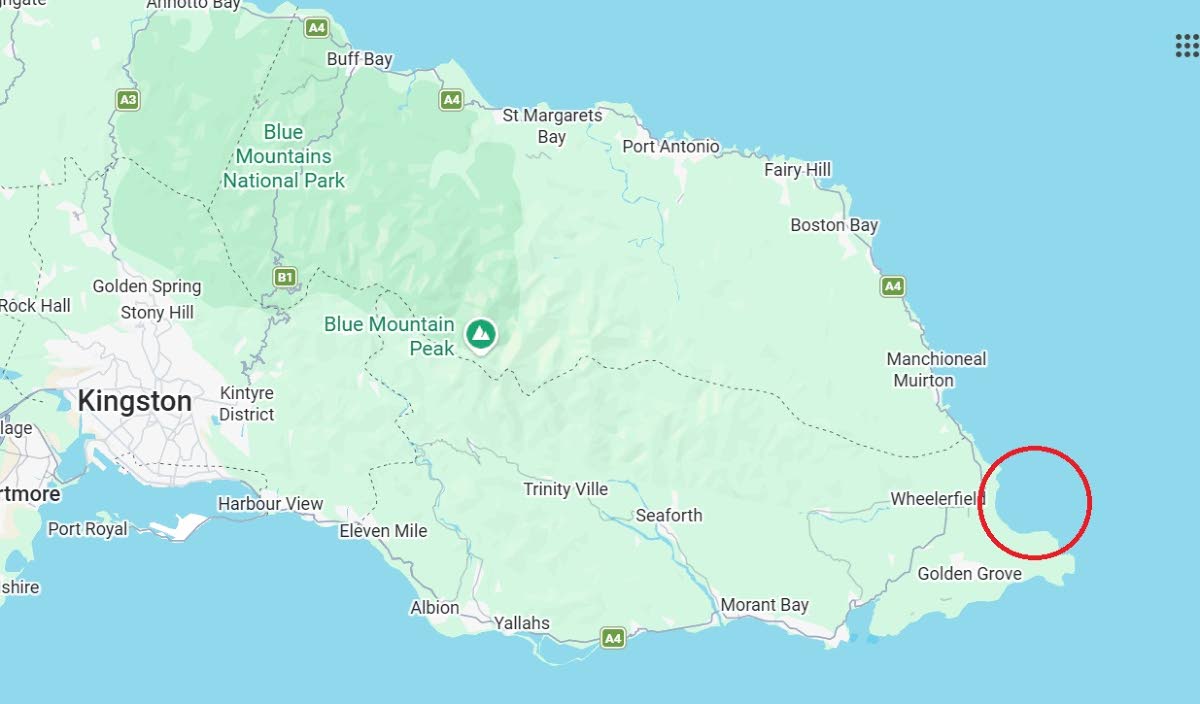 Holland Bay, St Thomas
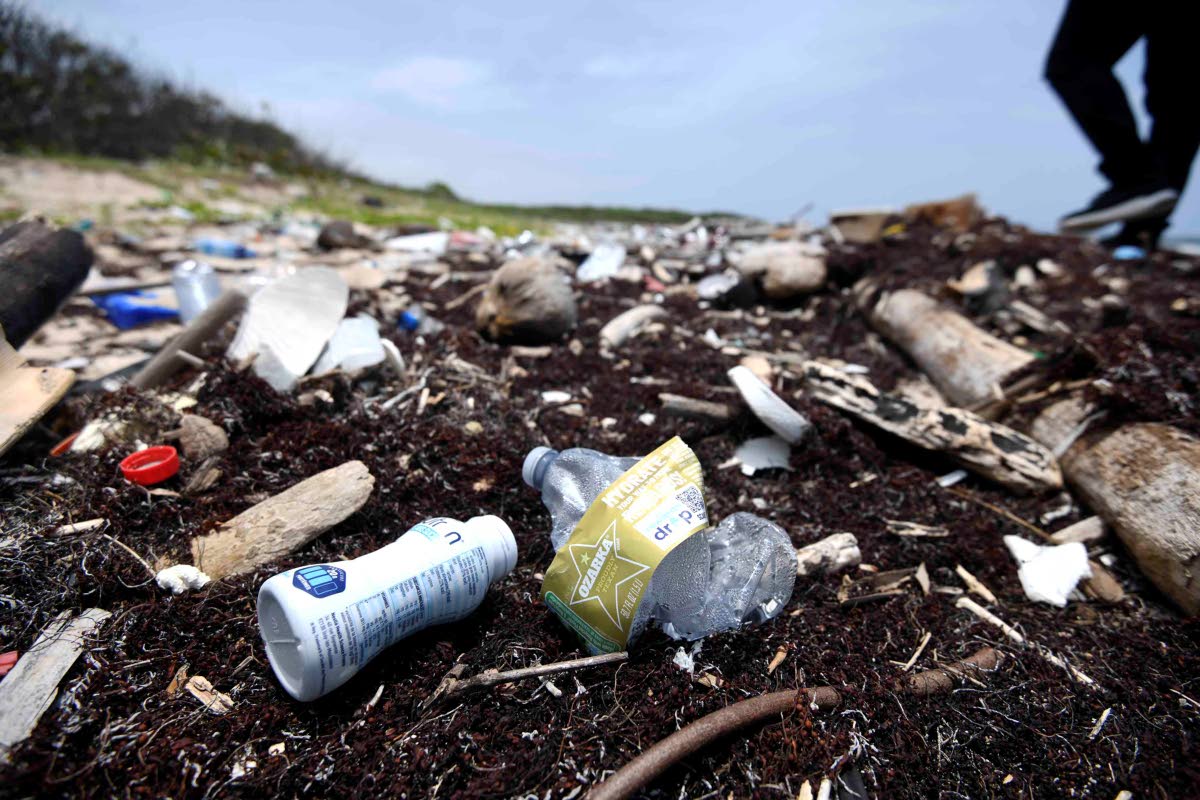
A heavy influx of foreign plastic waste bearing Spanish and French labels is piling up along Jamaica’s eastern coastline, creating a severe environmental hazard that threatens marine life and the food chain.
In Holland Bay, St Thomas, the pile-up of largely non-biodegradable debris includes beverage containers, household packaging, and commercial waste from products widely distributed in the Dominican Republic, Puerto Rico, Colombia, Haiti, Guadeloupe, and Martinique.
Experts explain that St Thomas’ position on the island’s easternmost tip acts as a catchment for foreign waste pushed across the sea by the strong Caribbean current and persistent northeast trade winds.
The transboundary pollution has added further burden to local conservation efforts, even as domestic plastic pollution remains a severe issue.
For local environment watchdog Jamaica Environment Trust (JET), the situation highlights that plastic pollution requires action beyond Jamaica’s borders.
Environmental scientist and Chief Executive Officer Dr Theresa Rodriguez-Moodie believes national measures such as Jamaica’s plastic ban are important, but notes they cannot address waste that enters the marine environment elsewhere and is transported by ocean currents.
“Marine litter is a transboundary issue that requires improved waste management, monitoring and cooperation across the region,” she told The Sunday Gleaner.
Addressing marine litter requires a coordinated, long-term approach that includes prevention, improved waste management, monitoring, clean-up and public education, she said, noting that community groups, NGOs, fisherfolk, researchers, and state agencies all have important roles to play in understanding the issue and developing solutions.
“However, tackling marine litter at the scale and complexity of this challenge requires coordination, resources and systems that connect local knowledge and community action with national planning, policy and enforcement,” said Rodriguez-Moodie, adding that, at the regional level, greater collaboration is needed among Caribbean countries.
She said this should also include discussions around measures such as extended producer responsibility, which can help address waste at the source by encouraging producers to take greater responsibility for the products and packaging they introduce into the market.
Products and packaging
Those products and packaging, marine biologist Dr Camilo Trench said, becomes food for marine organisms that miscategorise them.
Plastic in the ocean, he asserted, is relatively new, covering only decades compared to other substances that span hundreds of years.
“So, the animals see these tiny things in the water – microplastics – and some don’t see it. Because of how nature is, they just suck water in and, whatever is in there, they eat it. The microplastic is the same size as the plankton or tiny organisms. So, indiscriminately, they take in microplastics,” said Trench, the academic coordinator for the Department of Life Sciences at The University of the West Indies’ Discovery Bay Marine Lab in St Ann.
But, for some, it is deliberate, especially if brightly coloured.
“Imagine, if you were inducing three plastic bags per day, what it would do to you. That is what some of these animals are eating. Eventually, it clogs up their digestive system and they die. A couple thousand die; some live, and it is incorporated into their bodies and passed up the food chain,” the marine biologist and ecologist said.
Microplastics in fish
The effects, stemming from human consumption, are still being studied, said Trench, with the highest concentration of microplastics in fish generally found in the stomach and digestive tract.
Gutting and scaling fish before cooking and consumption limits intake, with muscle tissue (fillet) generally containing fewer microplastics than whole-consumed seafood like oysters, mussels, and small forage fish like sardines.
However, nanoplastics and chemical toxins absorbed by the fish may still translocate into muscle tissue.
“A lot of the cancer incidents we are having are linked to plastic. That is a fact,” said Trench.
“But, regardless of where it comes from, we may get up in arms about the Dominican Republic and other countries’ garbage on our shores, it’s a level playing field. Everybody’s plastic is going everywhere, and it’s a problem,” Trench said.
Pointing to cities like Hamburg in Germany, he said developed countries with years of better environmental management and greater political will expel less waste into the sea.
“They make waste management a priority. It would be very hypocritical if we complain about Haiti’s waste, for example, when we’re doing the same to other countries and to ourselves more than Haiti and any other country,” he said.
World Bank estimates indicate that 300,000 to 320,000 metric tons of uncollected plastic waste enter or risk entering the Caribbean Sea each year, making it the second most plastic-polluted sea in the world, behind only the Mediterranean.
2,000 plastic items per kilometre
Densities reach anywhere between 600 and over 2,000 plastic items per kilometre along Caribbean coastlines – nearly four times the global average of marine litter density, according to the World Bank.
Between 80 per cent and 85 per cent of all marine litter found across the Caribbean Basin is plastic, dominated by single-use beverage containers, food packaging, plastic bags, and expanded polystyrene/Styrofoam.
According to the United Nations Environmental Programme (UNEP), between 70 per cent and 80 per cent of all pollution in the Caribbean Sea originates from land-based sources, with the remaining portion tied to maritime traffic.
UNEP identifies Hispaniola’s (Haiti and the Dominican Republic) unmanaged coastal and riverine trash as a major source of transboundary marine litter. Swept westward by prevailing surface winds and the Caribbean current, the waste routinely impacts neighbouring down-current territories, including Jamaica, Cuba, and The Bahamas.
For Jamaica, UNEP’s Caribbean Sub-Regional Office estimates that 30,000 to 35,000 metric tons of unmanaged waste leaks, or is at risk of ocean leakage, annually.
Gillian Guthrie, chief technical director in the Ministry of Water, Environment and Climate Change, told The Sunday Gleaner that Jamaica has no bilateral agreements with Haiti or the Dominican Republic (DR) that specifically govern transboundary marine debris.
She said while Jamaica, the DR, and Haiti are signatories to the regional Cartagena Convention, and Jamaica and the DR are parties to its Land-Based Sources (LBS) Protocol, the treaty is strictly a cooperative framework.
It lacks any tribunal or legal enforcement mechanism to compel neighbouring states to curtail trash breaching Jamaica’s maritime boundaries or to pay compensation for environmental damage.
Responding to Sunday Gleaner queries, the National Environment and Planning Agency (NEPA) said it relies primarily on shoreline monitoring, field surveys, and regional collaboration to document the characteristics, quantities and impacts of marine debris and to identify likely sources and transport pathways to Jamaica.
At the same time, the agency noted that past shoreline assessments indicate that the majority of collected beach litter stems from local consumer waste rather than long-distance transboundary sources.
NEPA said it does not currently quantify the annual volume or monetary environmental damage caused by solid waste on local coral reefs and beaches.
Further, it confirmed that there is no dedicated regional compensation mechanism in place to compensate Jamaica for foreign garbage exposure.
“NEPA is a representative on Jamaica’s delegation to the Intergovernmental Negotiating Committee under the auspices of the UN Environment Programme on a legally binding agreement to end plastic pollution across the entire life cycle of plastics,” the agency said.
kimone.francis@gleanerjm.com