Ways to reduce energy costs
Loading article...
-
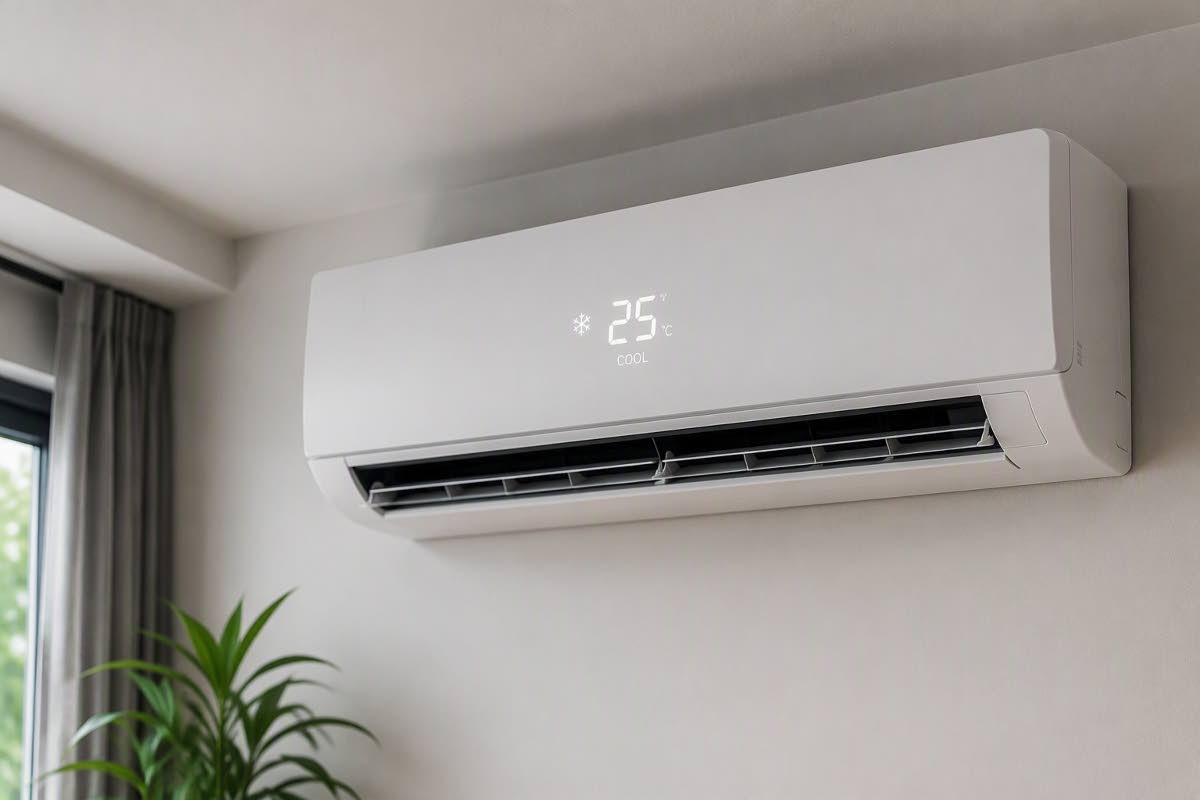 Set units between 24 C and 25 C for efficient cooling.
-
-
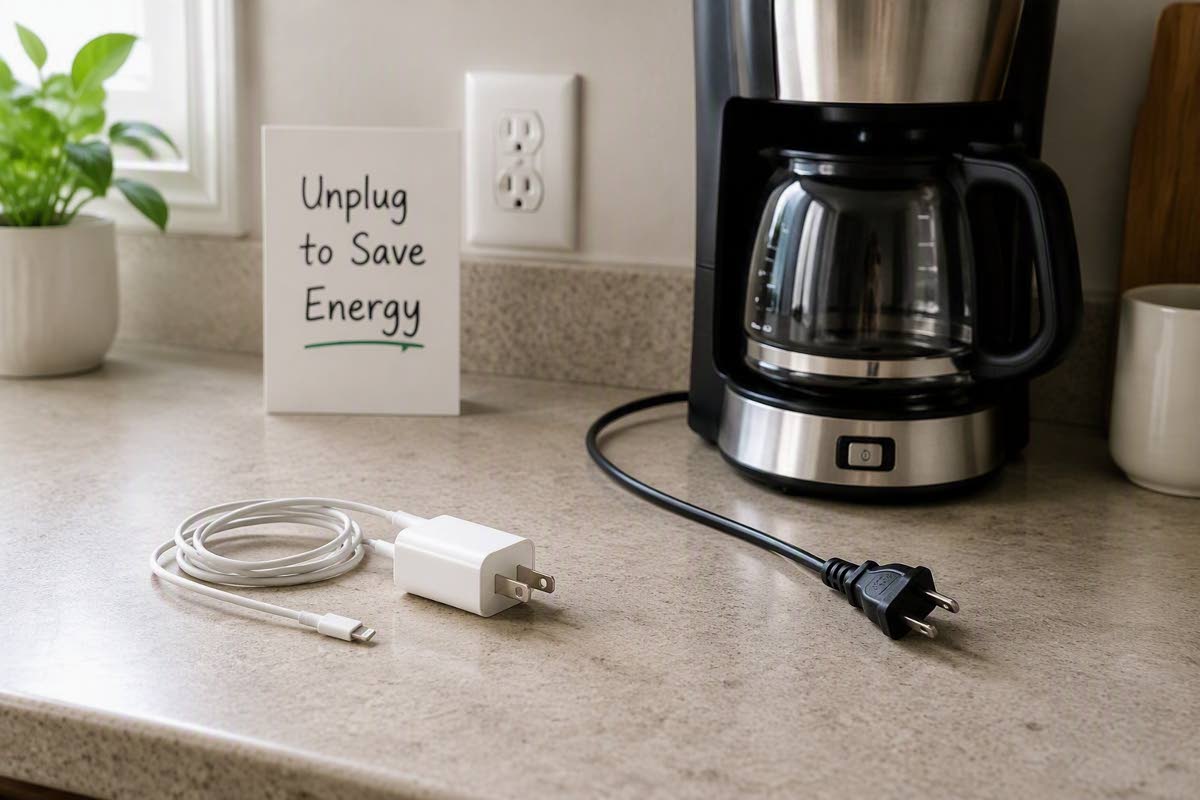
 A source of unnecessary consumption is vampire load, the electricity drawn by devices that remain plugged in, even when not in use.
Summer heatwaves can send businesses’ energy bills soaring, squeezing margins as air-conditioning systems work harder to keep premises cool.
Fortunately, there are ways to reduce electricity costs without compromising employee or customer comfort.
Ruthlyn Johnson, customer service area manager for JPS’ Eastern Region, says the starting point is understanding energy consumption.
She advises commercial customers to request a utility audit or energy assessment to establish their average electricity use.
“That’s critical. How much electricity are you using? Because it’s the kilowatt hours that are going to determine how much you pay. Let’s say you’re a 300-kilowatt-hour user on average, you are going to try and maintain that range even though it’s summertime, because you are used to paying bills that match that amount of kilowatt hours,” she explains.
Johnson says smart metres can help businesses monitor and manage consumption more effectively.
“Smart metres are wonderful for giving you the power and control over your consumption. When you have a smart metre, it allows you to connect to the grid in terms of you being able to see how much you’re using. And the beautiful thing about it is that you’re able to see your consumption monthly, weekly, daily, right down to hourly and that in itself gives persons the power of control,” she says.
Businesses should also identify peak usage periods by reviewing their utility bills and, where possible, adjust operations to avoid the most expensive times.
Johnson says companies should make a conscious effort to keep consumption within their normal range.
“You have to make sure that you take actions to keep the consumption within that range that you’re used to. You have to understand that there’s some big questions that you need to ask yourself. Do I really need to use this particular equipment? Can I utilise natural light instead of turning on a piece of machinery? Can I use heat from the sun to get the job done? Can I use natural breeze to get the job done? Or can I get manpower to carry out this actual task as against using a particular piece of equipment? Because, once the equipment goes on the grid, it is going to consume electricity and you’re going to have to pay for it,” she explains.
Maintenance
Proper equipment maintenance is another overlooked source of savings, she says.
“Persons don’t tend to recognise the value of maintaining your equipment. If you don’t maintain your equipment, it’s usually not operating at optimum. It means that it may be pulling more power than it needs to, or it’s just not operating properly. And that in itself can result in more electricity being consumed or the way it’s consuming, it is not efficient enough … you need to make sure that you properly maintain your equipment,” she advises.
Johnson says JPS is encouraging both commercial and residential customers to download the MyJPS mobile app, which allows users to track consumption and budget for monthly bills.
“It shows you how much you’re actually using, and that is the key way that you can then take responsibility for your consumption, because you’re able to look and see how much you use. In this way, you are able to set a budget,” she notes.
Another source of unnecessary consumption is vampire load, the electricity drawn by devices that remain plugged in even when not in use. Coffee makers, backup printers, chargers and other electronics can continue consuming power around the clock unless unplugged or switched off at the outlet.
Johnson says regular servicing of air-conditioning units is especially important during the hotter months.
“You don’t want them to be filled with dust and lint and all of those things that are pulling more power than they should and then causing you to spend more on electricity,” she says.
She also recommends keeping doors and windows closed when air conditioners are operating and setting units between 24C and 25C for efficient cooling.
“The advice that I have for businesses when it comes to ACs is make sure that you keep your [employees] and customers cool, but not freezing. ... It is recommended that AC units should be turned basically to 24 or 25 degrees. Below that number is colder and, the colder it is, is the more power you are pulling from the grid,” she explains.
Unplug
For households, Johnson recommends ventilating rooms naturally before switching on air-conditioning and avoiding running units throughout the night, which can significantly increase electricity costs.
She also encourages customers to install inverter air-conditioning systems, use programmable thermostats, install solar water heaters, switch to LED lighting, and turn off or unplug appliances when they are not in use.
Customers should ensure seals on heating and electrical appliances remain in good condition and replace ageing appliances that consume electricity inefficiently.
“What we want them to do is to start thinking seriously about how they can make a difference in terms of how they consume electricity,” she says.
Refrigerators can also account for a sizeable share of household electricity use, depending on how they are managed.
“Once you start opening the door and letting warm air into the chamber of the refrigerator, then that’s when you actually start consuming even more electricity. And so, you need to be very organised and very strategic about how you manage your refrigerator. You really should think about what you want from your refrigerator before you go in,” she says.
Johnson advises keeping refrigerator seals intact, servicing units annually, avoiding placing them next to stoves, and maintaining a gap of about six inches from the wall for optimal performance.
“We need to take certain measures in order to ensure that, as the heat rises, our bills don’t also rise. Of course, this requires consciousness. It requires us to be mindful of what we do. It’s not just a one-day activity. You need to make it habitual, so that you actually see the reflection on your bill in terms of no change,” Johnson says.