THE TIES THAT BIND
Loading article...
-
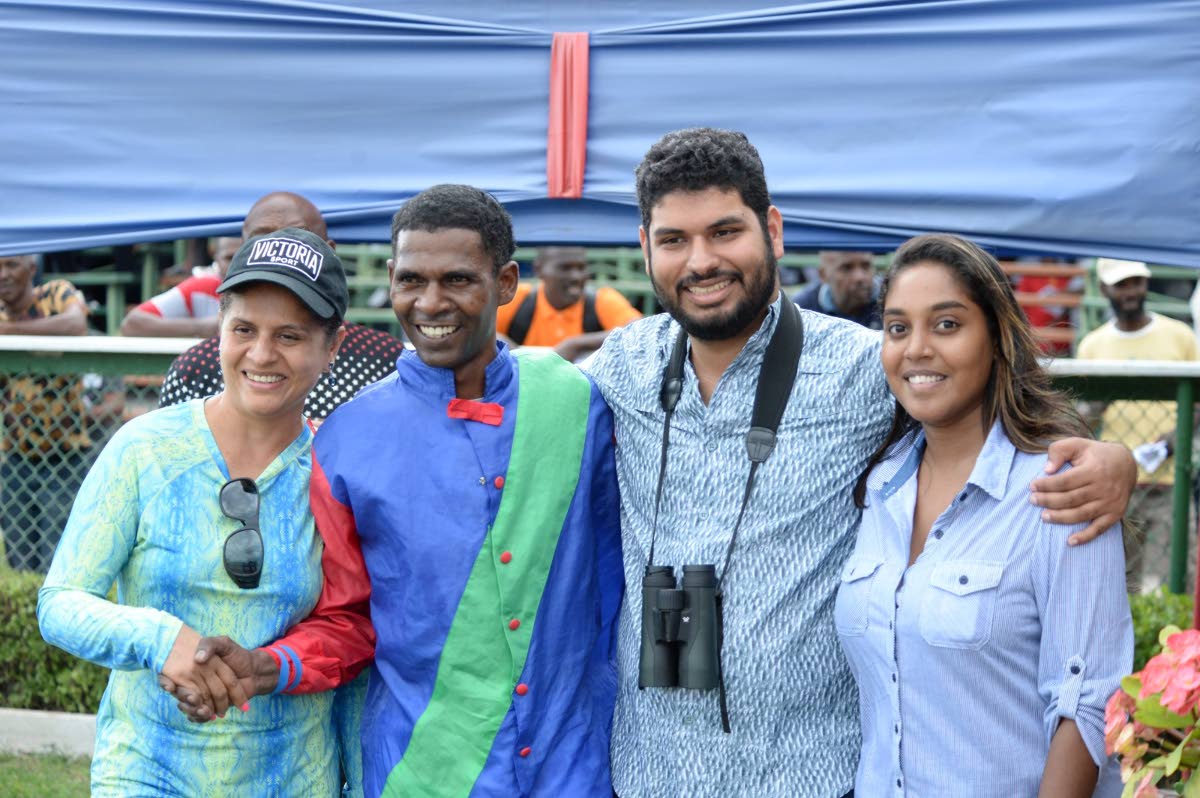 From left: Karen Parsard, jockey Omar Walker, Peter-John Parsard, and wife, Eleanor Parsard. Photo - Contributed
-
From left: Karen Parsard, jockey Omar Walker, Peter-John Parsard, and wife, Eleanor Parsard. Photo - Contributed
-
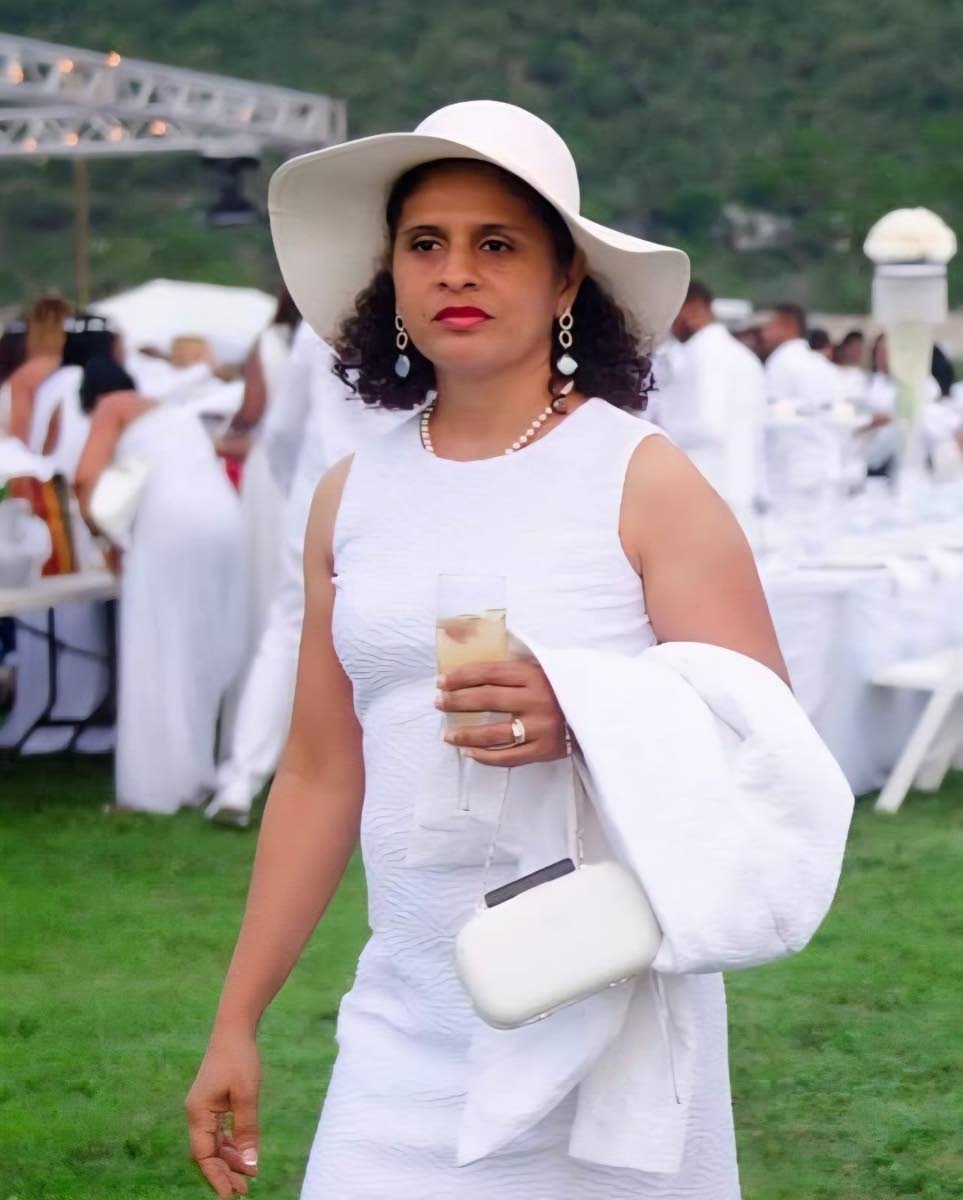 Champion Breeder 2025 Karen Parsard. Photo - Contributed
For Karen Parsard, the 2025 Champion Breeder at Caymanas Park, the journey into horse racing wasn’t paved with a lifelong love of the sport.
For 13 years, she didn’t know her husband liked horses and had nothing to do with them. Instead, her path to the top was born from a much deeper well – her unwavering devotion to her family.
Parsard’s foray into the high-stakes, expensive world of horse breeding began with her father-in-law, Harry Parsard, a prominent figure in horse racing who became involved in the sport after falling ill.
When her husband decided to return to horse racing, Karen stepped in, not out of a sudden interest in equines, but to support him. This commitment deepened when she noticed her son shared the same passion.
“Whatever my husband and son have a passion for, I support them 100 per cent, and I try in every aspect of my life to do the very best to support them in any passion or any aspect of their life that they have that is important to them,” Parsard explains.
Her motivation is crystal-clear – it is to give her son the best possible horses so he can be competitive at Caymanas Park.
This pursuit of excellence for her family led her on a journey from Florida to Ocala and Kentucky, buying mares left, right, and centre. She bought mares and brought them to Jamaica, driven by a desire to provide good horses for her son to race.
But the world she entered is fraught with challenges. Parsard is candid about the financial realities of breeding.
“Horse racing is very expensive in any shape, form, or size,” she says.
“It takes a lot of cash, takes a lot of effort to put in.”
She cautions that the industry doesn’t guarantee a return on investment.
“You have to have a passion for it. You literally have to have a passion,” Parsard emphasises.
SIGNIFICANT RISK
The cost and the risk are significant. Breeding a horse is expensive, and there’s no guarantee the foal will make it. The effort from breeding to carrying the foal for nine months to birth is fraught with risks, and getting the horse to the track involves intense work and resources. It’s a reality she acknowledges plainly when asked for advice for aspiring female breeders.
“Honestly, I would tell them don’t go into horse racing ... it’s a very expensive thing, and you make more of a loss than you make a gain a lot of the times.”
Yet, despite the financial hurdles and the immense effort, Parsard remains deeply invested. Her support system is her family. Her husband indulges her, and her son provides crucial input. They operate as a team, evaluating horses together at sales in Kentucky or Florida, shortlisting their choices, and making joint decisions.
This collaborative, family-centric approach extends to the daily grind of the farm. Parsard relies on a good team that helps them, acknowledging the patience and hard work required.
“It’s a lot of hard work. It’s a lot of hard work,” she notes.
The reward, however, isn’t found in a profit margin. It’s found in the shared joy of a victory. For Parsard, the most emotional moments are watching her husband and son’s faces when their horses win. She recalls the profound emotion of seeing her husband win his first Grade 1 race.
“Just seeing the joy that my husband gets from a horse running and winning... to me, that is the most amazing feeling, the greatest thing in my life,” she shares. Even in stressful times, her husband finds solace in watching the horses train at 4 a.m.
Karen Parsard’s success as a champion breeder is undeniable, but her legacy is defined, not by the money, but by the motivation behind it.
She is a woman who mastered a difficult, expensive, and male-dominated industry, not for personal glory, but to fuel the dreams of the men she loves. In her own words, “Horse racing is very important to my son and to my husband. They get so much joy from it.” And for Parsard, that joy is the only return on investment that truly matters.