Tino targets Jamaican title
Loading article...
-
 Lisa and James Ferguson. Photo - Contributed
-
Lisa and James Ferguson. Photo - Contributed
-
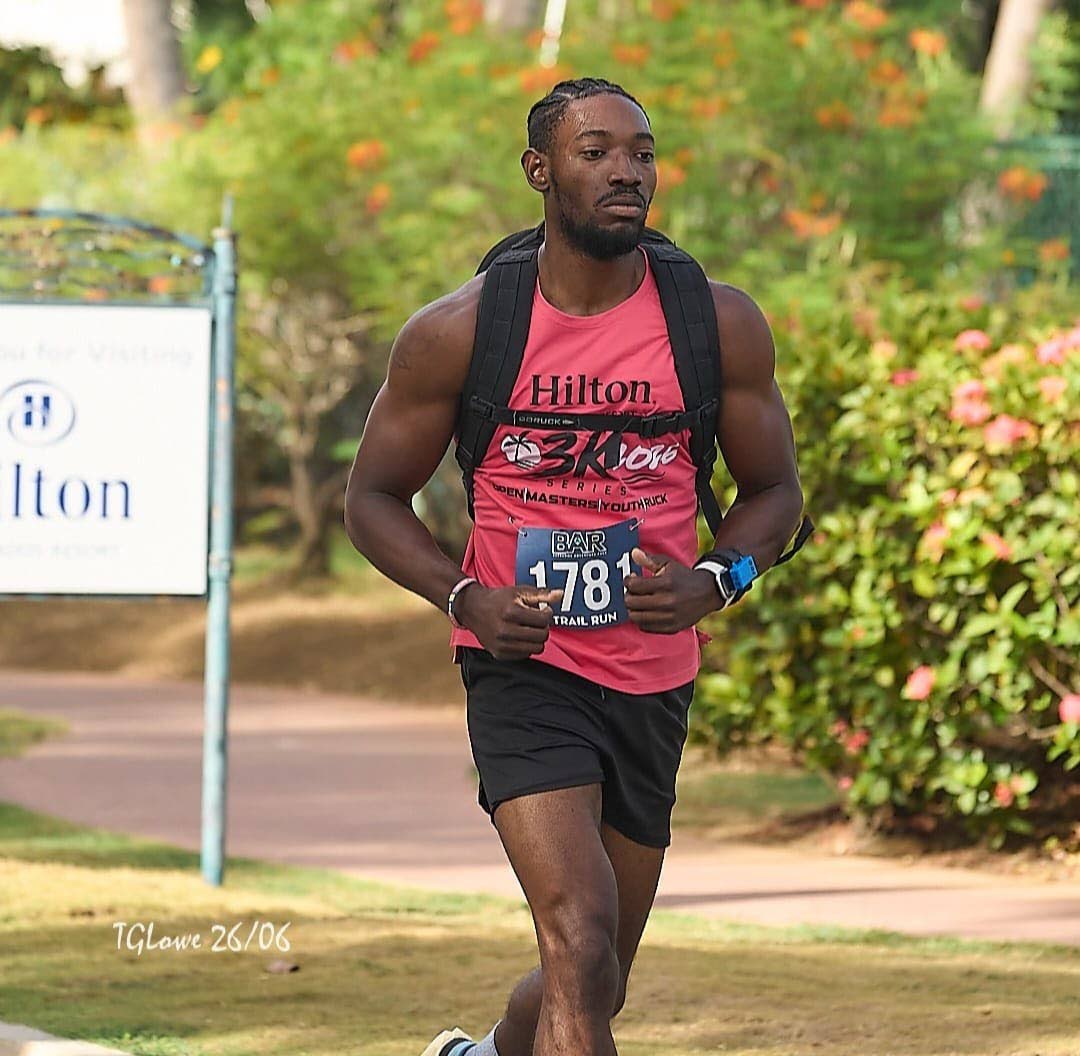 Ron Small. Photo - Contributed
-
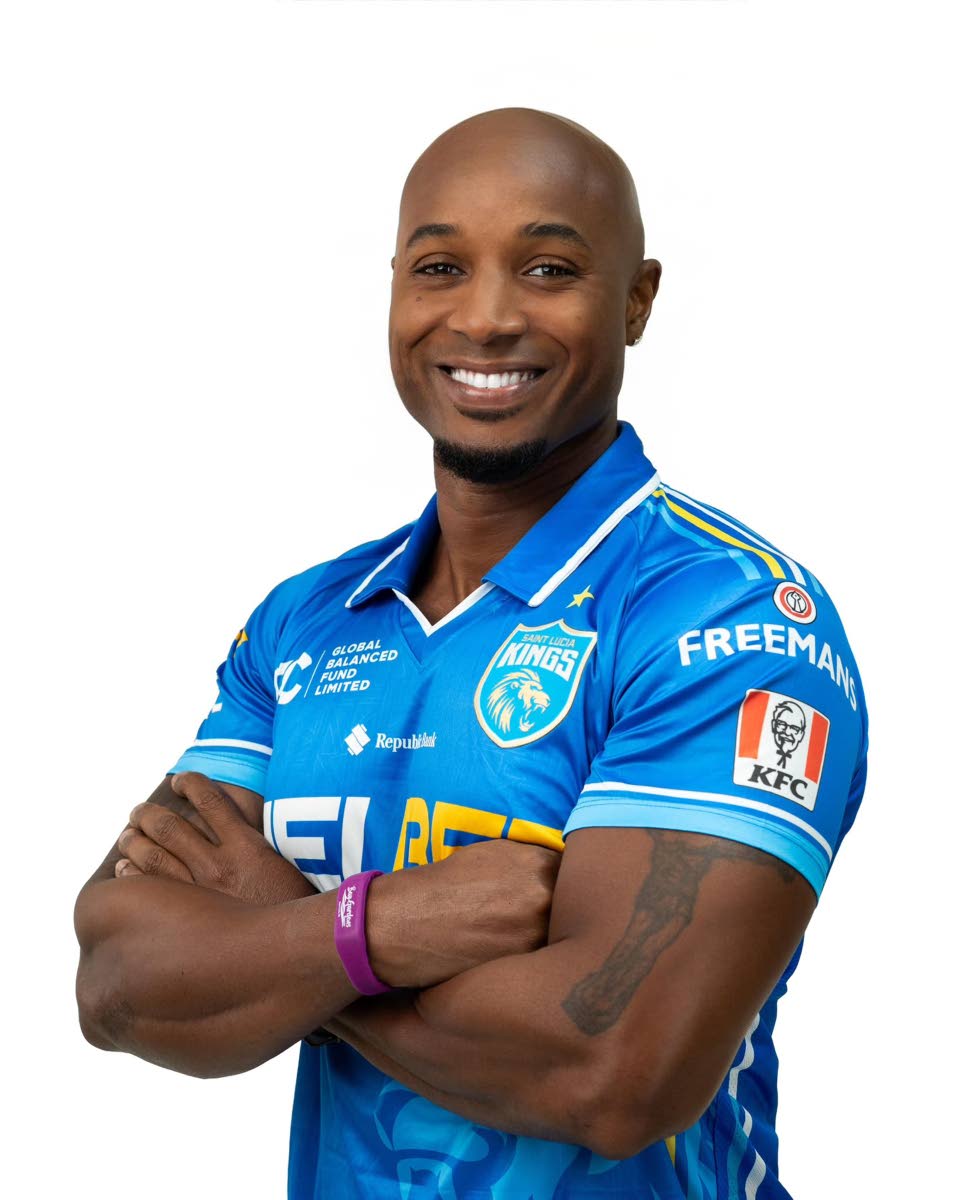 left: Tino Best. Photo - Contributed
Former West Indies fast bowler Tino Best believes the climb will separate the contenders. Fellow Barbadian Ron Small is looking at the sled push, while Dubai-based bodybuilders James and Lisa Ferguson reckon the decisive test will be whether athletes can continue producing strength as fatigue sets in.
The quartet forms part of a 12-member international field set to compete in the inaugural Jamaica Ultimate Athlete Challenge on November 21 at Tru-Juice Farms in St Catherine. The two-to-three-kilometre course will combine running, crawling, pushing, carrying a backpack, pulling, climbing, a target challenge and a trek.
Each competitor has a different view on where the advantage can be gained and how much energy should be spent getting there.
For the Fergusons, who built their fitness careers around weightlifting and bodybuilding, the variety of disciplines is what makes the event attractive. They expect runners to hold an advantage between obstacles, while strength athletes should make up ground when heavy resistance comes into play. The challenge, they say, is excelling at both in the same race.
“You can be incredibly strong but, if your endurance drops off, you’ll struggle. Equally, being a great runner won’t necessarily help when you’re faced with heavy resistance or technical obstacles,” the Fergusons said in a joint response.
“We think the athletes who can find that balance and maintain their composure when fatigue kicks in will have the biggest advantage.”
They have incorporated HYROX-style workouts and functional training into their regular strength programme, practising explosive movements while fatigued and dedicating more time to conditioning, mobility and recovery. On race day, they intend to manage their effort early and adapt as they learn the demands of the course.
“Communication, mental resilience and knowing when to push and when to conserve energy will be important,” they said. “The biggest question is how much we’re going to have to dig into our mental reserves when our bodies start telling us to stop. That’s probably what excites us most as well.”
The trip also marks a personal milestone for the couple, who married in Jamaica nine years ago this month. The inaugural event gives them an opportunity to return during their anniversary month and test their fitness in an environment far removed from where they built their careers.
Best sees the importance of versatility most clearly in the climbing section. The former Barbados and West Indies fast bowler has been working on his grip strength, climbing movements, and running under fatigue.
How much those preparations pay off may depend on the demands placed on him before he reaches the obstacle.
“You can be an exceptional runner or incredibly strong but, when you have to move your own body weight while fatigued, that’s a completely different challenge,” Best said.
“Grip strength, muscular endurance, coordination and mental toughness all come into play.”
Now a strength and conditioning coach who works with elite cricketers, Best still trains five days per week at age 45. He traces that commitment back to May 16, 1998 when he joined the Barbados Defence Force Sports Programme. His regimen includes heavy lifts, pull-ups, sprints, and weighted runs.
His race strategy draws on a lesson learned from fast bowling: knowing how much effort to expend and when.
“I won’t be getting carried away with what my competitors are doing,” Best said. “I’ll focus on my own race, attack the obstacles that suit my strengths, and remain disciplined throughout the course.”
Small, who served in the Barbados Defence Force’s commando squadron, brings seven years of obstacle-course and fitness competition experience. Running across difficult terrain between obstacles is part of what attracted him to the event, and he has a particular interest in what happens when competitors reach the sled.
“I think the sled push will be the equaliser between runners and power athletes,” Small said.
While Best plans to focus on his own effort, Small expects the field to influence his pace.
He intends to push hard early before assessing whether he is in a position to dictate the race.
Between competitions, he maintains his gym programme and running schedule, and expects his experience on varied terrain to be an advantage when conditions become more demanding.
“I very much love an obstacle course that includes running in between various obstacles across difficult terrain,” Small said. He added that “coming back to Barbados with the title will mean a lot to my supporters and my family and it will make me strive for more and take the bar higher next year”.
Best would also relish winning for Barbados. At 45, he hopes his performance will encourage others to continue challenging themselves as they age.
“Winning the title would be an incredible achievement, especially representing Barbados but, more importantly, I want to inspire people of all ages to remain active, challenge themselves, and never put limitations on what they can achieve,” he said.
The November 21 race is open to individual athletes, fitness enthusiasts, gym squads, running crews and corporate teams. Whycliffe ‘Dave’ Cameron, president of the Jamaica Obstacle Sports Federation, is co-leading the initiative with Carole Beckford and Kerry-Ann Anderson-Jones, with fitness support from Express Fitness.