Norris R. McDonald | The CIA and Jamaica’s vote-buying ‘bag a money’ politricks!’
Loading article...
-

Norris McDonald
-
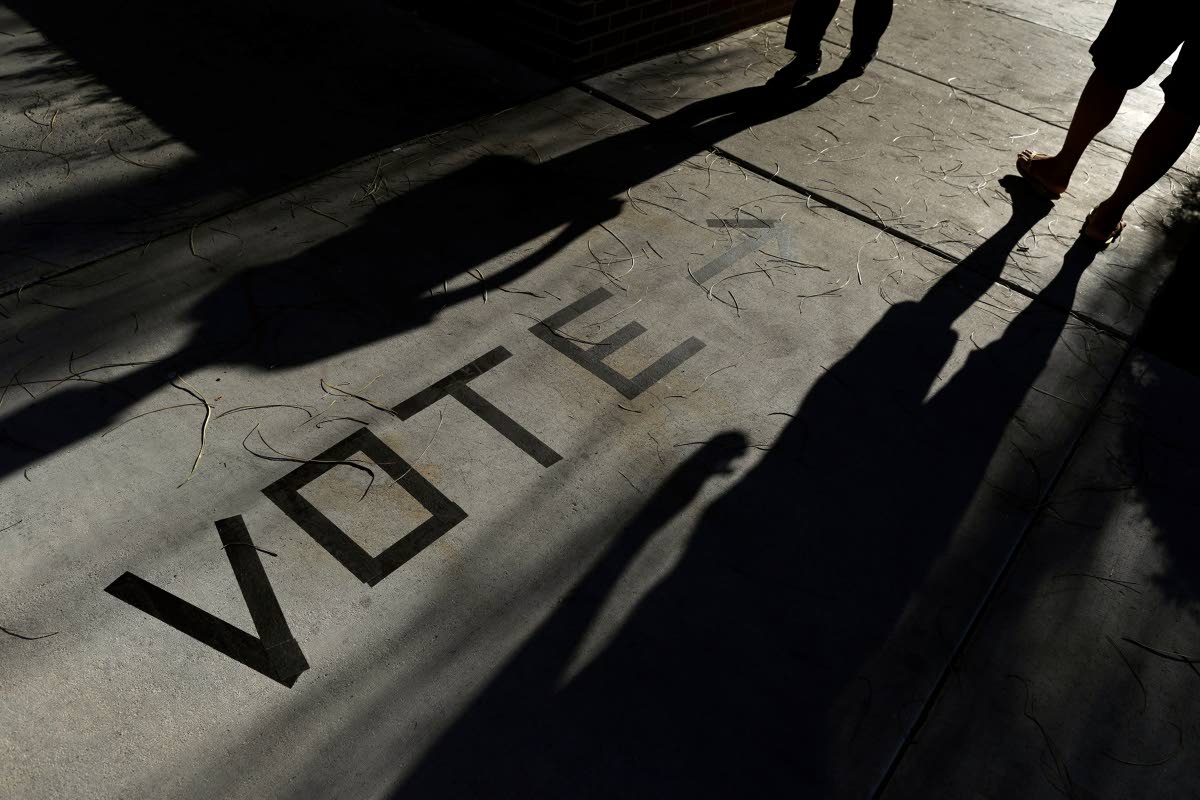 Vote-selling is often driven by poverty and economic insecurity.
Jamaica’s political culture of vote-buying and vote-selling did not emerge overnight. While patronage politics has long been part of the island’s political tradition, the commercialisation of ‘bag a money ‘ politics accelerated during the ideological battles of the 1970s and early 1980s.
Declassified presidential documents from the Jimmy Carter administration suggest that American interference in Jamaican politics helped transform the scale of political financing, leaving “a bitta legacy” that continues to shape elections today.
As Cold War tensions intensified, Jamaica became an arena of geopolitical competition. Concerns in Washington over Michael Manley’s democratic socialist policies, his relationship with Cuba, and disputes involving American bauxite companies heightened US involvement in Jamaica’s internal affairs.
THE CIA’S COVERT INTERFERENCE IN JAMAICA’S ELECTIONS
In a document titled Covert Action Options for Jamaica, US officials outlined strategies to influence Jamaica’s political landscape. According to records published by the US Office of the Historian, the Central Intelligence Agency (CIA) established confidential contacts with Edward Seaga, leader of the Jamaica Labour Party (JLP).
The declassified documents state that Edward Seaga received “guidance, assistance and funds” before the 1980 general election, under the administration of President Jimmy Carter. This underscores the “invisible hand” of US involvement in Jamaica’s electoral politics.
As these and other declassified records indicate, Washington viewed Edward Seaga as its preferred political alternative to Michael Manley.
The period was marked by systematic violence, community displacement, voter intimidation, ballot-box seizures, and psychological and information warfare. According to The Gleaner, more than 800 people were killed during the 1980 general election campaign.
These documents do not, by themselves, explain today’s vote-buying. They do, however, point to an important turning point in Jamaica’s political development. The introduction of unprecedented levels of covert political financing helped accelerate the growing importance of money in electoral competition.
As financial competition intensified, both major parties increased campaign spending. Over time, that dynamic filtered into constituency politics through patronage, voter inducements, and other transactional practices, contributing to the ‘bagga money’ political culture that continues to influence Jamaican elections.
THE LONG-TERM CONSEQUENCES
One lasting consequence was a gradual shift in political incentives. As elections became increasingly expensive, fundraising capacity and access to financial backers assumed greater strategic importance. This strengthened transactional politics, weakened policy-based competition, and made it more difficult for candidates with limited financial resources to compete on equal democratic terms.
As electoral competition became increasingly centred on money and centralised party organisation, both major parties gradually evolved, in my opinion, into election machines focused primarily on winning elections. In the process, they became increasingly aligned with proto-imperialist policy priorities rather than with the long-term interests of Jamaica’s black majority.
Understanding this history reminds us to remain vigilant against foreign interference in Jamaican and Caribbean affairs, as several major political leaders have recently warned.
That legacy continues to shape Jamaica’s democracy today. Although the country has long moved beyond the ideological battles of the Cold War, it continues to struggle with declining voter participation, growing political cynicism, and persistent allegations of vote-buying, even within a generally less violent electoral environment.
POVERTY, ‘PORK-BARREL POLITICS’ AND VOTE-BUYING
Vote-selling is often driven by poverty and economic insecurity. Families struggling to meet basic household expenses may be tempted by offers of cash, temporary employment, contracts, or other favours during election campaigns.
Historically, pork-barrel politics in Jamaica involved voter inducements intended to secure electoral support. Practices such as bushing tickets, gully work, and other forms of constituency assistance became familiar features of the country’s patronage system, with benefits often channelled through political party area leaders and local dons.
Despite this history, such practices cannot be excused. Politicians may offer the money, but citizens ultimately decide whether democracy remains a marketplace where votes are bought and sold in a political shadow economy. Poverty may explain vulnerability, but it cannot permanently justify the abandonment of democratic principles.
THE NEW ‘BAGGA MONEY POLITRICKS’
The erosion of grassroots political organisations within both the People’s National Party (PNP ) and the JLP has worsened the problem. Accountability begins in the constituency, yet too many representatives are absent between elections and return only during campaigns with promises instead of proven results.
Today, ‘bag a money ‘ politics has become part of Jamaica’s democratic rot, with allegations touching both major political parties. Electoral success is increasingly measured by financial muscle and allegations of self-enrichment rather than by ideas, organisation or public confidence.
This is exactly what the vote-buying, sweet-mouth politician wants.
Every election season, the sweet-mouth ‘bag a money ‘ politician suddenly reappears in the community, eyes gleaming like a hungry mongoose spotting a fat chicken.
Every baby must be kissed, bumptious women hugged, hands shaken, and rum-bar shelves emptied. Promises are made with full-mouth, toothy smiles that often disappear once the ballots have been counted.
THE PEOPLE ARE THE GUARDIANS OF DEMOCRACY
My dear friends, the purpose here is not to condemn every candidate. Many are decent, patriotic, and committed national leaders. But we must continue exposing the anti-democratic practice of vote-buying and vote-selling.
Encouragingly, a 2025 Don Anderson poll reported by The STAR found that roughly eight in 10 Jamaicans oppose vote-buying. Public attitudes may therefore be changing faster than political habits.
The ultimate guardians of democracy are not politicians, foreign governments, or wealthy financiers, but ordinary citizens exercising independent judgement at the ballot box.
History teaches that democracy is most vulnerable when outside interests and unreported local or foreign ‘bag a money ‘ are allowed to distort elections through direct or indirect voter bribery. The responsibility for protecting democracy ultimately rests with citizens.
The burden rests with the Jamaican people to resist the short-sighted temptation to exchange the power of the ballot for ‘bag a money ‘.
Our country has come a long way on its journey from emancipation to political independence and nation-building. Despite economic hardships, the hard-won right to vote must never be traded for temporary financial gain. It is a precious democratic inheritance that should never be treated as something to be bought and sold.
That is the ‘bitta’ truth.
Norris R. McDonald is an author, economic journalist, political analyst, and respiratory therapist. Send feedback to columns@gleanerjm.com.