5 Questions with Yaadcore
Loading article...
-
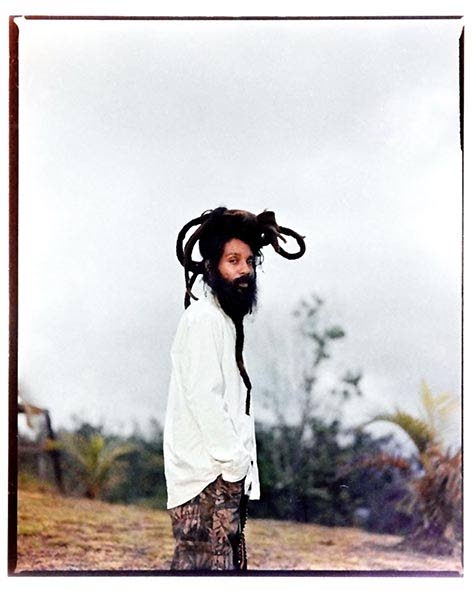 Four years after his debut album, ‘Reggaeland’, Yaadcore returns with ‘Rasta Time’, a project rooted in cultural ownership and Rastafari. Photo - Contributed
-
Four years after his debut album, ‘Reggaeland’, Yaadcore returns with ‘Rasta Time’, a project rooted in cultural ownership and Rastafari. Photo - Contributed
-
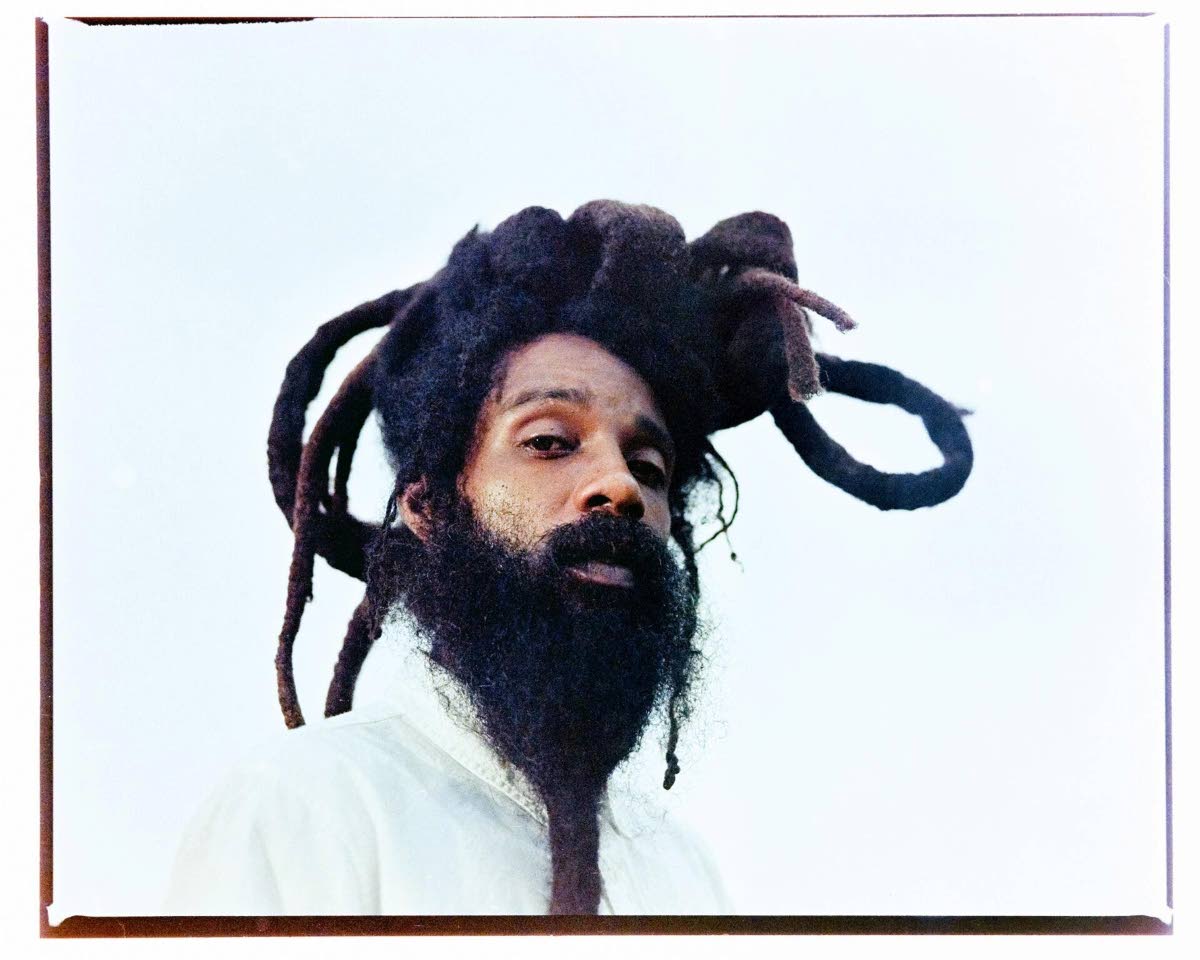 Yaadcore. Photo - Contributed
It was as a selector that Rory ‘Yaadcore’ Cha first earned his musical stripes. Having watched his father select on Love People International, he honed his skills early, exploring dancehall before settling in with reggae, with a serving of what was dubbed “revival”.
His conscious roots reggae compilation mixtapes, Reggae Aroma and the popular Dubwise Jamaica party, were closely interwoven in the reggae revival movement headlined by acts like Protoje and Chronixx. In 2019, Yaadcore moved seamlessly from mixing to singing and released the single Ready Now, and has consistently released tracks, including collaborations with Jah9 ( Police in Helicopter); Richie Spice ( Nyquill) and Fred Locks ( Sufferation), among others. His debut album, Reggaeland, was released in March 2022 via 12 Yaad Records. It reached Number 6 on the iTunes Reggae Charts.
A ganja guru, Yaadcore has been tapped for sponsorships by cannabis brands including Leafly (sponsors of his 2019 US tour) and Jamaica’s Itopia Life. His cross-cultural appeal has also landed him on the radar of brands including Adidas, Wales Bonner, and Burton Snowboards, as well as Los Angeles-based skate/streetwear brand Diamond Supply Co., with whom he collaborated on a 2022 clothing collection. As a performer, Yaadcore has appeared on music festivals worldwide, including Rototom Sunsplash in Spain; Uppsala in Sweden; Cali Vibes, Cali Roots and Reggae on the River in California; and Damian Marley’s Welcome to Jamrock Reggae Cruise. Rasta Time, his upcoming EP from Mixto Records and 12 Yaad Records, features the title track as well as collaborations with Capleton, Imeru Tafari, and Mexican vocalist Malaika.
This week, Yaadcore and 5 Questions With ... had an interesting conversation.
1. Four years after your debut album ‘Reggaeland’, your ‘Rasta Time’ EP is ready. How have your songwriting and stagecraft evolved during those years, and what is the main message/theme of ‘Rasta Time’?
The stagecraft and the songwriting have evolved in a more dynamic way. We have more time to create more tracks that have a variety of sounds. The theme behind the Rasta Time EP is Rasta owning what is truly theirs from creation ... from the start of the movement. We have invented and created a lot of ideas, visions and philosophies that have now made it to pop culture. And Rasta people are not getting the benefits of what they really should. So, the song Rasta Time is really encompassing that energy.
2. The EP features collabs with Capleton, Imeru Tafari, and Malaïka Sylaire, alongside acoustic and dub versions. How do you choose which voices help carry a specific message on a project?
The collabs come mostly on the vibration of the song. When I hear the riddim and hear my vocals and what I am saying is really how mi determine who would be a perfect fit for a musical collaboration.
3. The song, ‘Choppa Dem’, speaks to ‘scamma’ culture and the glorification of destructive words among the youth. What made you feel this specific social commentary was urgent right now?
This social commentary was urgent right now because that is what we are seeing in Jamaican society today. One time, as a culture, we woulda really disregard and talk against the word ‘demon’ and that negative energy, which is now being glorified and used in songs to build up one’s ego as to who is bad ... or whatever. We just a try mek di youths dem realise seh that is not the direction fi tek.
4. To what extent did your days as a selector prepare you for your current journey, where you are now front and centre with a live microphone?
The deejay experience really helped me a lot in the artiste world as far as riddim selections and finding melodies that are catchy and easy to relate to. And just being on the road and understanding the tour life and seeing other shows ... seeing artistes behind the scenes, really kinda gives me an insight on the professional side. And the deejay side really helps me with the creative process as well.
5. You are a prominent voice at events like CanEx, discussing plant medicine and even recorded a mushroom song. What inspired you to branch out from traditional ganja anthems into the world of psychedelics, which carry a different energy in Jamaican culture and within Rastafari?
The mushroom song really forward from me experiencing mushroom for the first time. Just being true to myself was what really push me to sharing my experience, which is not a typical Rasta experience and doing more research on the actual substance. The mere fact that it is a natural substance is what allowed me to give it a try and feel the experience for myself.
BRAWTA:
How is a reggae track about mushrooms being received, and how do you view the relationship between Rastafari, organic reggae music, and the evolving world of plant psychedelics?
Honestly ... the reception to this song has been great. You find that a lot of Rasta people who have experienced this substance have been very receptive, as well as other people who are in that mushroom world. The thing about it is that mushroom is not only about psychedelics, even though that is really what the song itself was about. But mushroom is definitely deeper than psychedelics and getting high. We have a growing local society on this substance as well. The reception has been great.
yasmine.peru@gleanerjm.com