Don Dobson | FIFA, Infantino, JFF and the dark side of sports governance
Loading article...
-
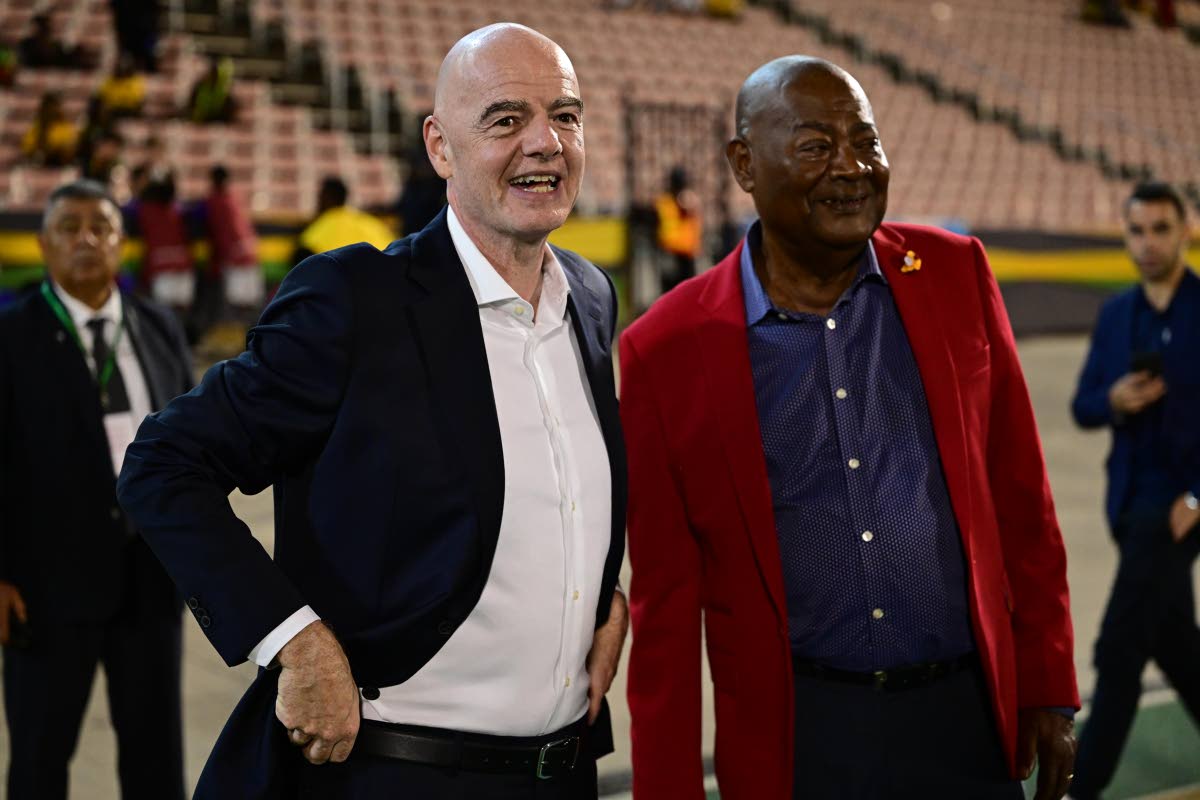 FIFA president Gianni Infantino (left) and JFF president Michael Ricketts at the Jamaica-Guatemala Nations League football match at the National Stadium in St Andrew on Friday, September 25. Photo - Gladstone Taylor
-
FIFA president Gianni Infantino (left) and JFF president Michael Ricketts at the Jamaica-Guatemala Nations League football match at the National Stadium in St Andrew on Friday, September 25. Photo - Gladstone Taylor
-
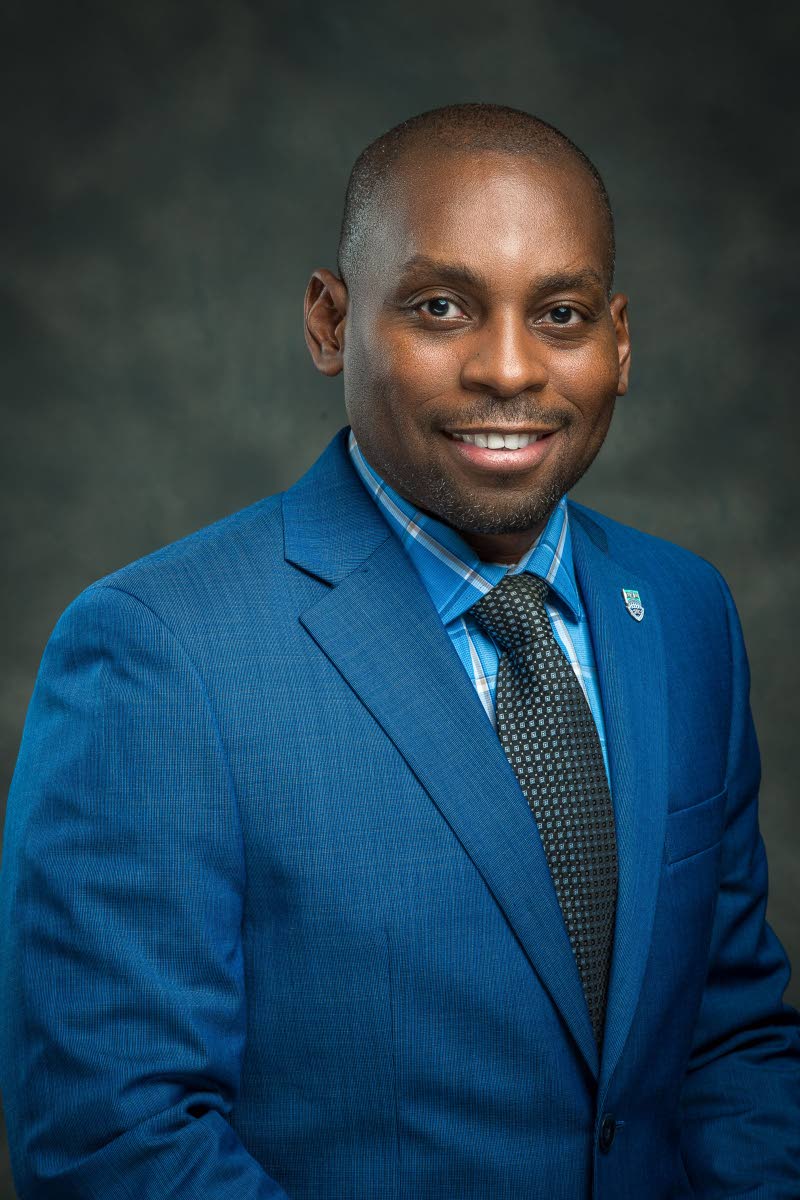 Don Dobson. Photo - Contributed
Gianni Infantino’s re-election campaign is in full swing, with the Caribbean emerging as a key battleground. The region’s 21 votes could prove decisive in whether he secures the 106 required to retain the FIFA presidency, particularly if UEFA, Europe’s governing body, identifies a unifying challenger before the November 18, 2026, deadline.
UEFA was among the loudest voices calling for Infantino to step down after revelations of his now-aborted FIFA Forward Enterprise (FFE) proposal to sell World Cup stakes to private investors. On October 8, in Berlin, UEFA reaffirmed its opposition, with 54 of its 55 national associations agreeing on a clear direction for FIFA reform. That same day in Cape Verde, all 54 African associations expressed unanimous support for Infantino. With Europe opposed and Africa in favour, the Caribbean’s bloc may well determine the outcome should a credible challenger emerge.
PATRONAGE
According to The Guardian, Infantino used an August Caribbean Football Union meeting to announce millions of dollars in FIFA-funded projects despite a request from the president of the Confederation of North, Central America and Caribbean Association Football (Concacaf) for him to stay away. Observers described the move as lobbying for votes under the guise of development. Soon after, FIFA separated its management of Caribbean countries from the wider Concacaf bloc, a move critics labelled “divide and conquer”. The appointment of Gelson Fernandes, an Infantino loyalist, to oversee the Caribbean reinforced perceptions that this was less about development and more about consolidating influence ahead of the 2027 presidential election.
DEMOCRACY AT RISK
This episode highlights the need for objective criteria and greater transparency in FIFA’s funding practices and raises serious questions about democracy’s vulnerability to manipulation. Development funds, intended to reflect solidarity and support, risk becoming political currency. Infantino’s letter to FIFA’s 211 member associations, offering $40 million to those who backed his FFE proposal, shows how financial resources can be leveraged to secure votes and advance agendas.
The structural imbalance compounds the danger: small associations wield equal voting power to large ones, creating fertile ground for bloc politics. Where some member associations are heavily dependent on external funding, oversight functions are weakened and democratic practices can be manipulated, leaving the system vulnerable when financial control and political power are concentrated in the same hands.
JAMAICAN LENS
On September 25, Infantino arrived in Jamaica to a warm welcome from Jamaica Football Federation (JFF) President Michael Ricketts, who had pledged his support days earlier. Ricketts told the Jamaica Observer, “Infantino might have made a mistake, but the intentions were to help Caribbean countries,” pointing to the transformative potential of $40 million for Jamaican football.
Yet history teaches otherwise: money alone does not transform football. Just as oil wealth does not automatically deliver economic development without good governance, FIFA funding does not guarantee football progress. Money without vision, expertise, and proper planning is a recipe for stagnation, waste, or exploitation.
Without robust monitoring systems, funds risk being misused or diverted into the pockets of administrators and connected parties rather than invested in grass-roots programmes and infrastructure development. The JFF must, therefore, ensure that FIFA funding is subject to transparent oversight, with mechanisms that allow fans and stakeholders to act as auditors of the process.
GOVERNANCE STANDARDS
This means consistently publishing externally audited accounts, strategic plans with measurable outcomes, and clear rationales for major decisions. Recruitment is another pillar of good governance: vacancies for management roles, board positions and committees must be openly advertised and filled through fair, inclusive processes. This broadens the talent pool and ensures that leaders have the skills to navigate the complexities of modern sport.
These standards are for all national governing bodies. Every federation, regardless of size, must aspire to governance that is fit for purpose, transparent to the public, and defensible to stakeholders. Funding is not development. Governance is.
ROAD AHEAD
For Jamaica, vigilance is not optional. The questions around FIFA’s funding and governance are not going away. External pressure may yet force transparency, and local journalists should keep a close eye on these developments, re-engaging Mr Ricketts regarding his support for Infantino if new findings, particularly adverse ones, emerge.
Infantino may have weathered the immediate fallout from the failed FFE proposal, but the scrutiny is far from over. According to The Athletic, Democratic members of the US House Judiciary Committee have requested information on FIFA’s dealings with the Trump administration and the origins of the proposal. To date, FIFA has failed to provide the requested documents or arrange Infantino’s appearance before the committee. This reflects the limits of democratic oversight while they remain in the House minority, lacking subpoena powers to compel testimony. The scrutiny, however, signals what may come if they regain control of the House in November’s midterms.
Don Dobson is a Chevening Scholar and sports governance specialist. Send feedback to columns@gleanerjm.com.