Earthquake tests new president
Loading article...
-
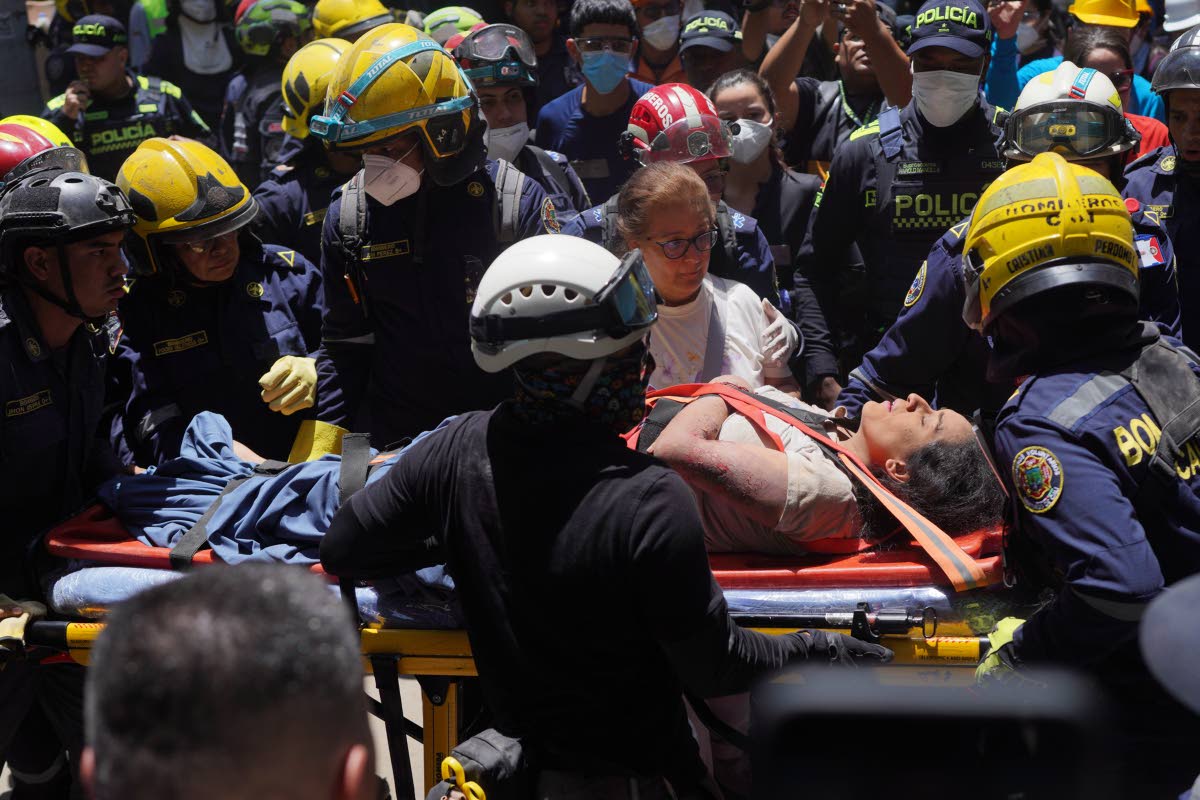 Rescue workers carry Diana Troncoso after pulling her from the rubble the day after an earthquake struck Pereira, Colombia, Tuesday.
-
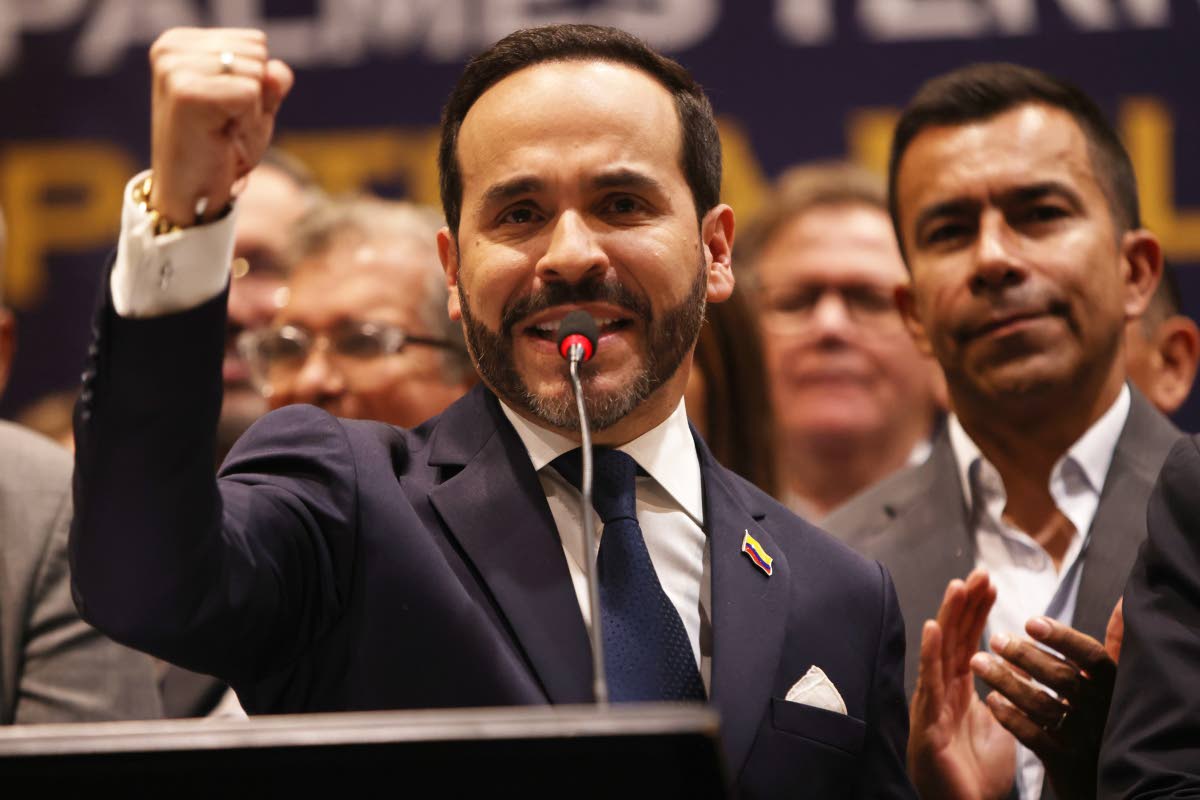 Colombia’s President Abelardo de la Espriella.
PEREIRA (AP):
Rescue crews and civilians painstakingly searched through rubble yesterday in the hopes of finding survivors trapped under debris after a powerful earthquake left thousands missing in dozens of cities and towns in western Colombia.
Colombian President Abelardo de la Espriella said at least 181 people died in the 7.4- magnitude earthquake that struck on Monday. He said around 2,595 more were injured and at least 195 remained missing. Civilian-run databases suggest the number of missing could be as high as 3,900.
De la Espriella also said 1,136 homes were destroyed and yet more damaged.
The authorities said the deaths were concentrated in cities, including Cali, Pereira, Manizales and Quibdo, but local leaders and families worried about casualties and damage in rural areas, from where very little information has emerged. Aid agencies consider the first 48 to 72 hours as crucial for retrieving people alive, though that can be extended if they have access to food and water.
Soldiers, rescue personnel and families picked through the rubble yesterday, passing large pieces of concrete by hand along lines of volunteers.
SERIOUS CHALLENGE
The earthquake presents the first major test for first-time officeholder de la Espriella, who entered office just days before the natural disaster. The leader, who split the country in recent elections, now seeks to unite Colombia in its disaster response.
That challenge was particularly notable in Choco, the region surrounding the quake’s epicentre. It is one of Colombia’s poorest and most neglected regions, often beset by warring armed groups. Much of Choco is accessible only by boat, through the jungle or by airplane.
Sterling Palacios, a religious and environmental leader in rural parts of the region, said Choco’s capital was devastated along with smaller communities dotting the Atrato River, the region’s most important throughway.
Homes there have been reduced to rubble and aftershocks continued to rumble, terrifying residents who slept in the streets overnight.
“There are towns where people have lost everything, where people have died, where homes have been destroyed,” he said. “We don’t have a full panorama of the damage, but we know it’s been massive.”
De la Espriella travelled to Quibdo in Choco on Monday night, where he announced he was mobilising “the entire military and police apparatus”, as well as deploying engineers, rescue workers and search dogs.
“Choco will never again be the ‘land of the forgotten’,” he said.
Palacios said the government’s response has so far been “concentrated in the capital”, and that the authorities flew the wounded from Quibdo to hospitals in the city of Medellín.
The biggest challenge, he said, remains towns in rural areas only reachable by boat – journeys that can take hours or days. That response is also complicated by a toxic slate of armed groups warring for control of the region who, during the COVID-19 pandemic, blocked healthcare workers from travelling to remote areas.
He said it could take locals and officials weeks to get a full scope of the devastation there.
“It’s a risk, and it’s very difficult to predict” what could happen, he said.
The US State Department has announced that it would provide US$15.5 million for emergency shelter, food and other aid. Governments across Latin America have also lined up to help.
“This has been a tragedy for the whole city, for thousands of families,” Pereira Mayor Mauricio Salazar told local media, his voice quavering. “But here we are, and we will continue forward with the hand of God.”