When it comes to Trump’s economy, these numbers matter before mid-terms
Loading article...
-
 AP
Shoppers are seen at a grocery store in Glenview, Illinois on Wednesday, October. 14. Photo - AP Nam Y. Huh
-
AP
Shoppers are seen at a grocery store in Glenview, Illinois on Wednesday, October. 14. Photo - AP Nam Y. Huh
-
 AP
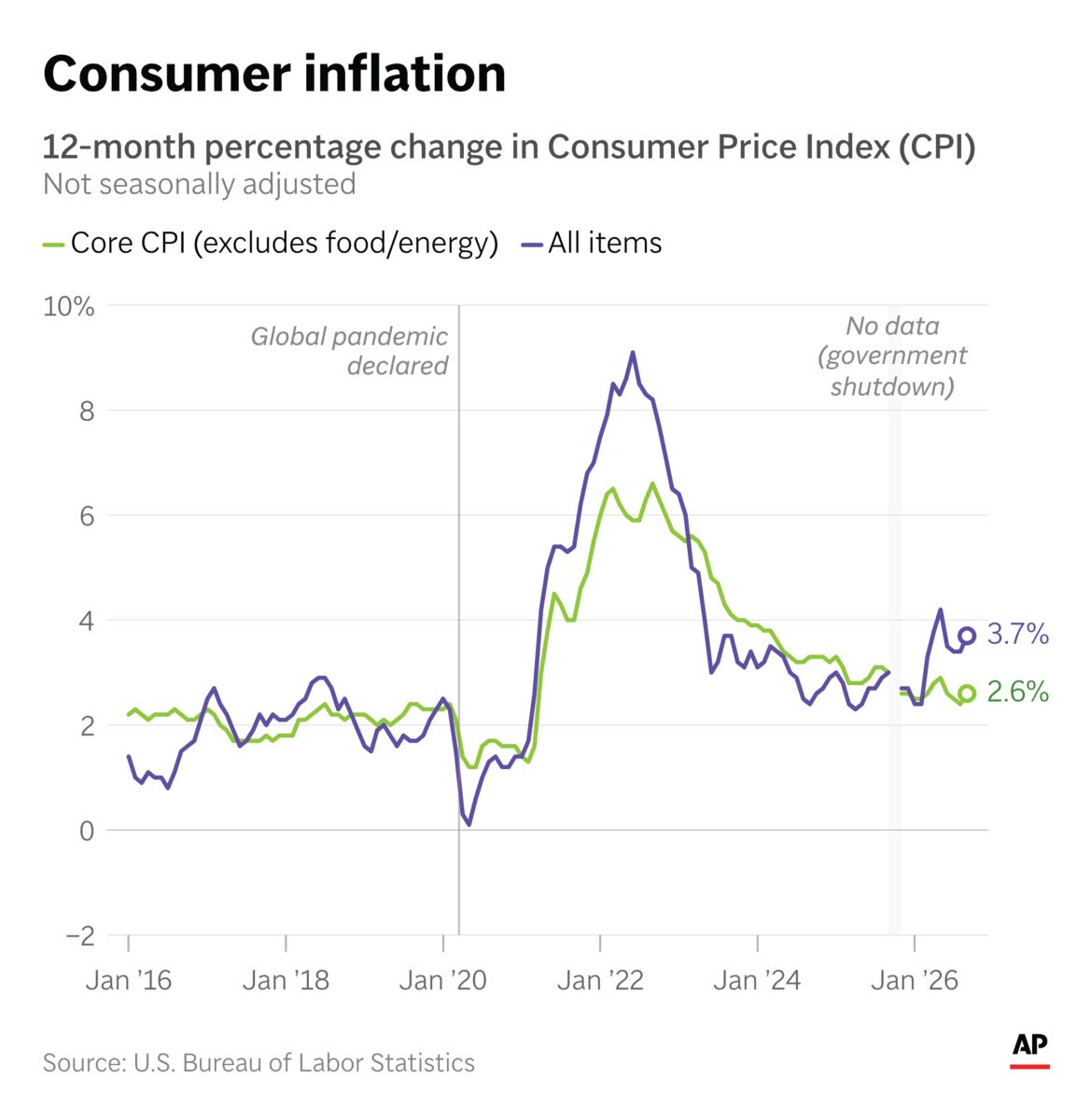
Inflation rose in September, compared to the previous year. Photo - AP Kevin S. Vineys
-
 AP
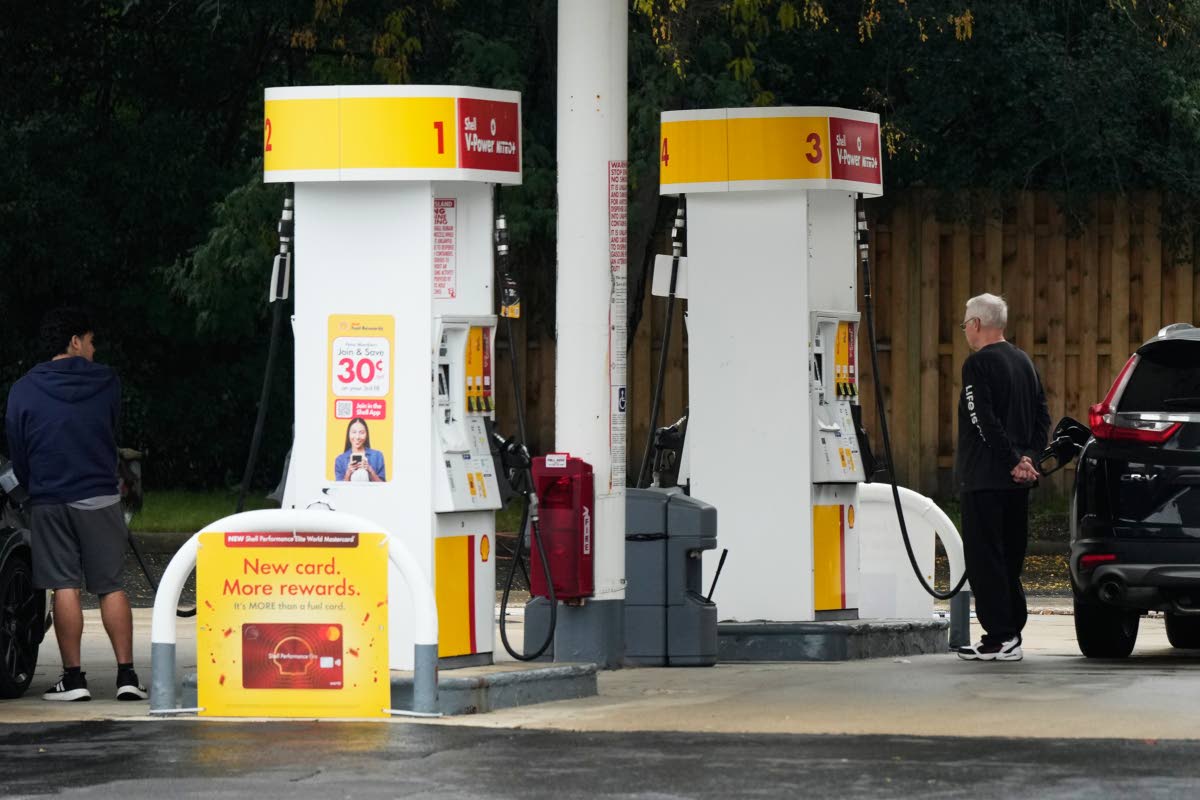
Customers check the gas price while they fill up their vehicles in Arlington Heights, Illinois, on September 30. Photo - AP Nam Y. Huh
-
 AP
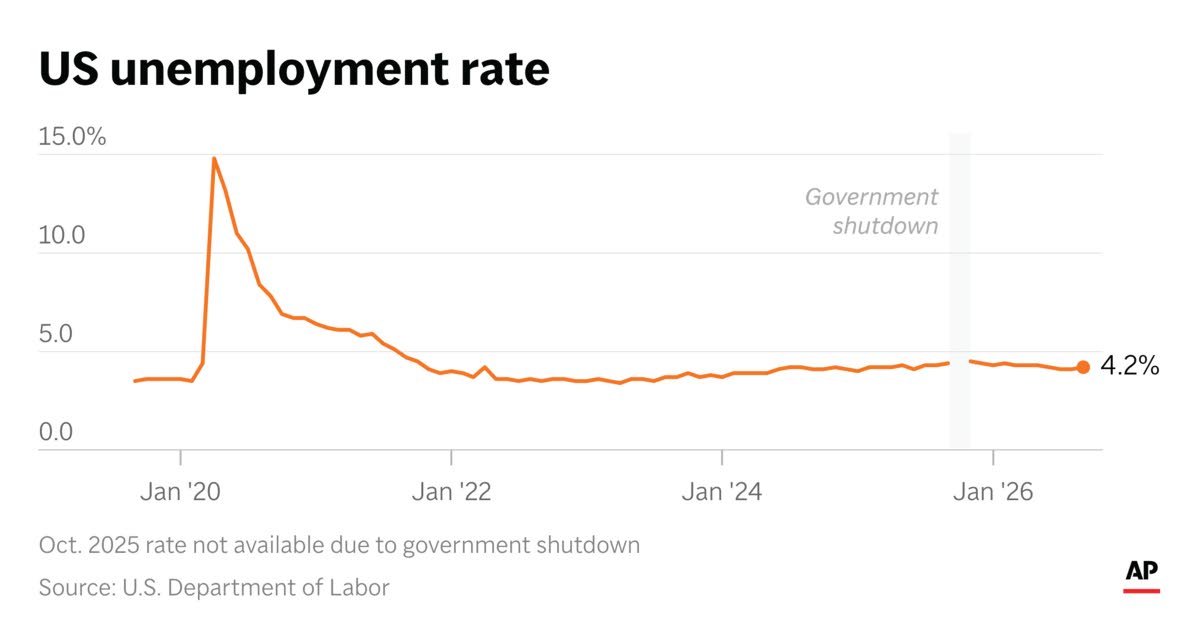
Unemployment in the US ticked up slightly in September. Photo - AP Kevin S. Vineys
-
 AP
The floor of the New York Stock Exchange seen on Friday, October 16, 2026. Photo - AP Yuki Iwamura
President Donald Trump is trying to convince voters before the November 3 mid-term elections that the US economy is rocketing upwards. But voters say inflation remains a challenge because the Iran war has pushed up gasolene prices, grocery bills have remained expensive, and high interest rates have made it harder to afford a home or a new car.
The economy is neither as strong as Trump has claimed nor as weak as consumer sentiment surveys suggest. But with its mix of inflation, inequality and stock market gains, the economy is unsatisfying to most of the public, and its performance has not lived up to Trump’s promises.
Here’s a closer look at the numbers that matter.
Inflation at 3.7 per cent annually has risen under Trump
Voters expected Trump to quash inflation. In his inaugural address last year, the Republican pledged: “I will direct all members of my Cabinet to marshal the vast powers at their disposal to defeat what was record inflation and rapidly bring down costs and prices.”
And at an October 3 campaign appearance in Vandalia, Ohio, he told the crowd: “We have almost no inflation.” But Labor Department reports don’t bear that out.
The consumer price index (CPI) had been rising at an annual clip of 3 per cent in January 2025, when Trump returned to the White House. Inflation continued to slow until April 2025, when Trump announced a sweeping set of tariffs and prices began to climb again. The inflationary pressures were compounded this year with the start of the Iran war.
Inflation has not returned to peaks seen during President Joe Biden’s term. But the data tells a clear story of inflation on a downward trend that moved jaggedly upwards under Trump. The last CPI report before election day showed inflation was 3.7 per cent over the past 12 months.
GDP growth has been averaging a little over 2 per cent
A University of Michigan survey of consumer sentiment shows that people are less confident about the US economy now than during the coronavirus pandemic in 2020 or the 2008 financial crisis. Unlike those periods, America is not in a recession. The broadest measure of economic growth, gross domestic product, has been expanding at a bit more than 2 per cent annually under Trump. That is a solid figure but not as fast as economic growth had been under Biden, Trump’s Democratic predecessor.
But Trump keeps telling voters that growth has never been more propulsive. The Republican president claims historic levels of foreign investment that are a mix of exaggerations and wishful thinking. “We have growth the likes of which -- and we’re going to have growth the likes of which – we’ve never seen before,” Trump said last week at a rally in Arizona.
The unemployment rate is low, but job growth has slowed
The 4.2 per cent unemployment rate has been a sign of the economy’s health. Trump inherited a low rate that has continued under his presidency in an environment that many economists have described as ‘low hire, low fire’.
Trump likes to say there have never been so many jobs in US history, but that’s largely because of population growth rather than his policies. Employers are adding, on average, almost 39,000 jobs a month during Trump’s second term. Monthly hiring gains were three times larger – topping 121,000 on average – in the year before Trump returned to the White House.
One factor in slower job growth is Trump’s crackdown on immigration, which means fewer people are looking for jobs. The unemployment rate for people born in the US has largely held steady, which would suggest that Americans are not taking the jobs formerly held by immigrants.
Borrowing costs have risen
With an increasing national debt, persistently high inflation and the energy price spikes tied to the Iran war, it’s getting more expensive to borrow money for a home, auto or other basic needs. Interest on the 10-year US Treasury note is above 5 per cent, having hit its highest levels since 2002. That makes it costlier for people to borrow and harder for the US government to repay its bonds.
Stocks have kept setting record
Trump likes to brag about how stock markets continue to set record highs under his presidency, although Biden could have made similar claims. The S&P 500 index is up about 12 per cent this year. It rose by about 16.4 per cent last year.
But the increase in 2024 — before Trump became president — was 23.3 per cent. The stock market is a function of more than presidential politics, as growth in tech stocks has sustained the broader market. Trump’s tax cuts may have helped corporate earnings, as federal revenues from business taxes fell 16 per cent last year, according to the Congressional Budget Office.
Inequality is widening
Since Trump returned to the White House, the wealth of the top 0.1 per cent of households has increased by US$5.5 trillion in just 18 months, according to Federal Reserve data. The bottom 50 per cent of households have seen their wealth increase by US$380 billion.
That means the bottom half of households, on average, saw their net worth improve by US$5,600 under Trump’s presidency. The richest 0.1 per cent saw their net worth increase, on average, by US$40.8 million, a sum more than 7,000 times greater than the average gain for a household in the bottom half.
AP