Mark Martin | Botanical gardens: Clear definition, real budgets, and deliverable plans
Loading article...
-

-
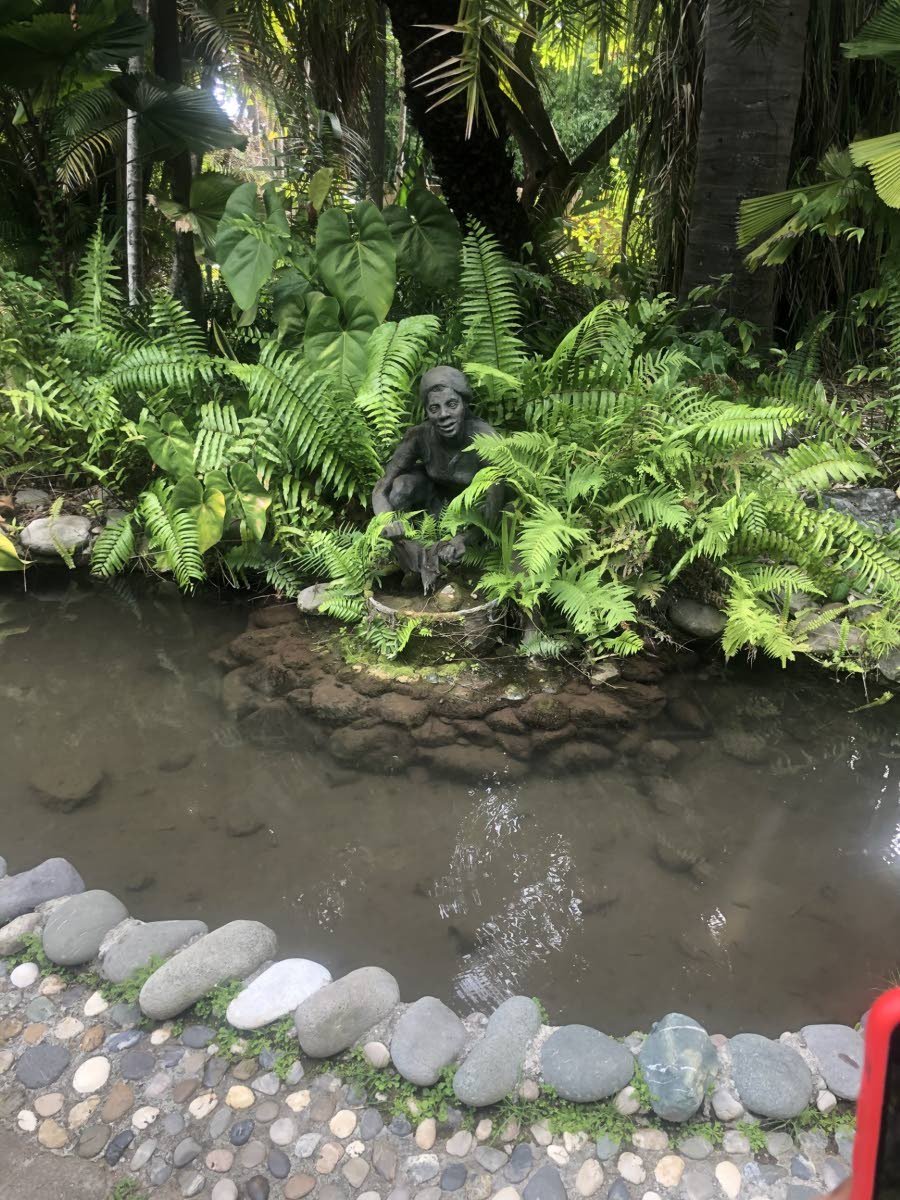 The visitor experience includes aesthetic features such as ponds that showcase aquatic plants like lotus and water lilies and stocked with decorative Koi fish. As a child, I have many happy Memories of visiting Hope Botanical Gardens. Those visits, and my mother’s love of plants, sparked a curiosity in me. School field trips were full of discovery, and they shaped how I see the value of nature in everyday life. These fostered my career as a landscape architect.
Minister Floyd recently announced that the Government plans to build a botanical garden in every parish.
This conversation centres around public gardens.
What is a botanical garden? The Kew Botanical Gardens in England defines such gardens as places open to the public in which the plants are labelled. Additionally, the Botanic Gardens Conservation International defines botanic gardens as having reasonable permanence; underlying scientific basis for collections; proper documentation of collections including wild origin; the monitoring of the plants; adequate labelling; open access to the public; communication of information to other gardens globally and the public; exchange of seeds or materials with other gardens and research institutions; undertaking of scientific or technical research on plants; research programmes supporting taxonomy in associated herbaria, which is the collection of dried, pressed, and preserved plant specimens and their associated data.
So what do we want for Jamaica? Is it an arboretum, a place dedicated to studying trees and shrubs, or a palmetum, a place dedicated to studying palms? That distinction matters because it affects budget, planning approach, staffing, and maintenance. It affects security, signage, education systems, and long-term viability. If we call something a botanical garden but build it as a park, we set ourselves up for disappointment and failure. If we name it accurately, we can still create something excellent, educational, and widely enjoyed.
A modern botanical garden demands significant investment and coordinated professional input. First, land is only the beginning. Next comes the need for qualified master plans developed by landscape architects (with supporting engineering, quantity surveying, and project-management expertise). These plans must identify plant collections (local and foreign), design infrastructure such as greenhouses, visitor facilities, research or education spaces, walkways and drainage systems, perimeter fencing, and access control and security planning.
Then there is the visitor experience: signage, parking, kiosks, offices for guest relations, bathrooms, benches, and aesthetic features such as ponds that showcase aquatic plants like lotus and water lilies and are stocked with decorative Koi fish.
A botanical garden also requires staffing and administration to maintain living collections and support documentation, monitoring, and ongoing plant sourcing. That includes horticultural expertise and staff capable of managing labels, databases, and educational programmes. Finally, security must be planned from the start. Plants and guests must be protected, signage can be vandalised, irrigation can be damaged, and visitor areas require safeguarding.
My best “guestimate” is that establishing botanical gardens to meaningful standards could cost between US$2 million and US$5 million per site, and likely more, depending on scope and site conditions. Civil and structural requirements, irrigation, drainage, access roads, and long-term operational readiness can raise costs substantially.
What exact model are we building in each parish and at what funding level? If the intention is a more modest initiative with botanical character, it would be recommended that the vernacular be changed to grand parks or parish parks.
Each park could reflect the parish identity and could be named after the parish itself or a dignitary with a meaningful relationship to nature and community development. We should make these parks educational and unmistakably Jamaican. Tree and plant signs can include the botanical name and description, the accepted common name, the Jamaican name, and the “why” (cultural, ecological, or practical relevance), and scientifically supported uses, including medicinal value where appropriate. We can also use modern audio guidance — headsets or phone-based tours — to support correct pronunciation and improve visitor understanding. Tourists will come for beauty, but they will return for knowledge and authenticity. Parish parks can become Jamaica’s outdoor classrooms.
We must also address delivery. Jamaica has struggled sometimes with maintaining landscaped public spaces. A collaborative action committee with landscape architects and other relevant professional disciplines would be ideal to ensure that the correct definition is used and that the master plan is led by qualified professionals
The landscape architects who practise in Jamaica support green, educational, public spaces across Jamaica. However, to succeed, we must plan with clarity, fund realistically, and deliver responsibly. We ask the Government to confirm what is intended in each parish — and whether it is a botanical garden or a grand parish park model — so Jamaica can build something that lasts and performs.
Mark Drew Martin is the owner of Gardenism, a design-build firm and a co-founder of APAC, an organisation representing landscape architects in Jamaica and the greater Caribbean. Send feedback to columns@gleanerjm.com.
The visitor experience includes aesthetic features such as ponds that showcase aquatic plants like lotus and water lilies and stocked with decorative Koi fish. As a child, I have many happy Memories of visiting Hope Botanical Gardens. Those visits, and my mother’s love of plants, sparked a curiosity in me. School field trips were full of discovery, and they shaped how I see the value of nature in everyday life. These fostered my career as a landscape architect.
Minister Floyd recently announced that the Government plans to build a botanical garden in every parish.
This conversation centres around public gardens.
What is a botanical garden? The Kew Botanical Gardens in England defines such gardens as places open to the public in which the plants are labelled. Additionally, the Botanic Gardens Conservation International defines botanic gardens as having reasonable permanence; underlying scientific basis for collections; proper documentation of collections including wild origin; the monitoring of the plants; adequate labelling; open access to the public; communication of information to other gardens globally and the public; exchange of seeds or materials with other gardens and research institutions; undertaking of scientific or technical research on plants; research programmes supporting taxonomy in associated herbaria, which is the collection of dried, pressed, and preserved plant specimens and their associated data.
So what do we want for Jamaica? Is it an arboretum, a place dedicated to studying trees and shrubs, or a palmetum, a place dedicated to studying palms? That distinction matters because it affects budget, planning approach, staffing, and maintenance. It affects security, signage, education systems, and long-term viability. If we call something a botanical garden but build it as a park, we set ourselves up for disappointment and failure. If we name it accurately, we can still create something excellent, educational, and widely enjoyed.
A modern botanical garden demands significant investment and coordinated professional input. First, land is only the beginning. Next comes the need for qualified master plans developed by landscape architects (with supporting engineering, quantity surveying, and project-management expertise). These plans must identify plant collections (local and foreign), design infrastructure such as greenhouses, visitor facilities, research or education spaces, walkways and drainage systems, perimeter fencing, and access control and security planning.
Then there is the visitor experience: signage, parking, kiosks, offices for guest relations, bathrooms, benches, and aesthetic features such as ponds that showcase aquatic plants like lotus and water lilies and are stocked with decorative Koi fish.
A botanical garden also requires staffing and administration to maintain living collections and support documentation, monitoring, and ongoing plant sourcing. That includes horticultural expertise and staff capable of managing labels, databases, and educational programmes. Finally, security must be planned from the start. Plants and guests must be protected, signage can be vandalised, irrigation can be damaged, and visitor areas require safeguarding.
My best “guestimate” is that establishing botanical gardens to meaningful standards could cost between US$2 million and US$5 million per site, and likely more, depending on scope and site conditions. Civil and structural requirements, irrigation, drainage, access roads, and long-term operational readiness can raise costs substantially.
What exact model are we building in each parish and at what funding level? If the intention is a more modest initiative with botanical character, it would be recommended that the vernacular be changed to grand parks or parish parks.
Each park could reflect the parish identity and could be named after the parish itself or a dignitary with a meaningful relationship to nature and community development. We should make these parks educational and unmistakably Jamaican. Tree and plant signs can include the botanical name and description, the accepted common name, the Jamaican name, and the “why” (cultural, ecological, or practical relevance), and scientifically supported uses, including medicinal value where appropriate. We can also use modern audio guidance — headsets or phone-based tours — to support correct pronunciation and improve visitor understanding. Tourists will come for beauty, but they will return for knowledge and authenticity. Parish parks can become Jamaica’s outdoor classrooms.
We must also address delivery. Jamaica has struggled sometimes with maintaining landscaped public spaces. A collaborative action committee with landscape architects and other relevant professional disciplines would be ideal to ensure that the correct definition is used and that the master plan is led by qualified professionals
The landscape architects who practise in Jamaica support green, educational, public spaces across Jamaica. However, to succeed, we must plan with clarity, fund realistically, and deliver responsibly. We ask the Government to confirm what is intended in each parish — and whether it is a botanical garden or a grand parish park model — so Jamaica can build something that lasts and performs.
Mark Drew Martin is the owner of Gardenism, a design-build firm and a co-founder of APAC, an organisation representing landscape architects in Jamaica and the greater Caribbean. Send feedback to columns@gleanerjm.com.
-
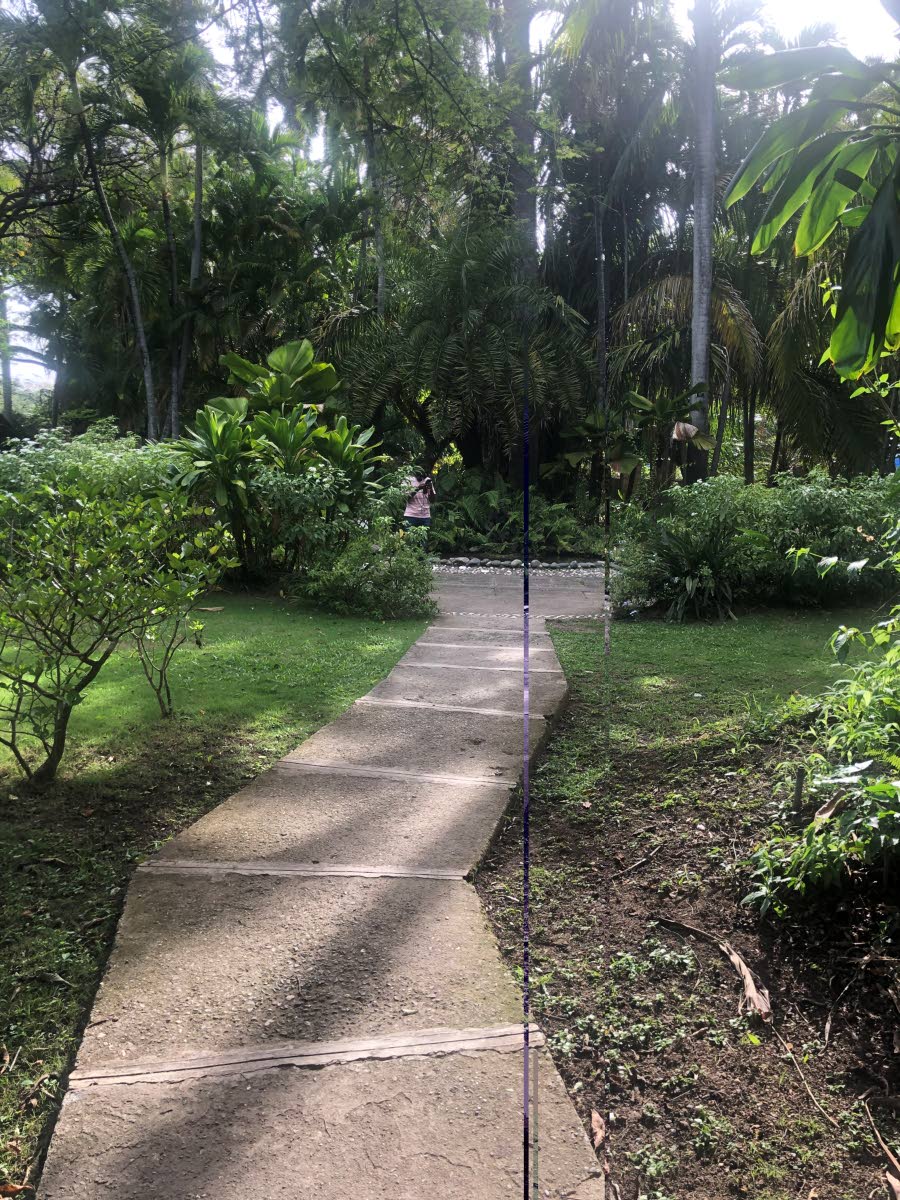 A section of the Hope Botanical Gardens.
-
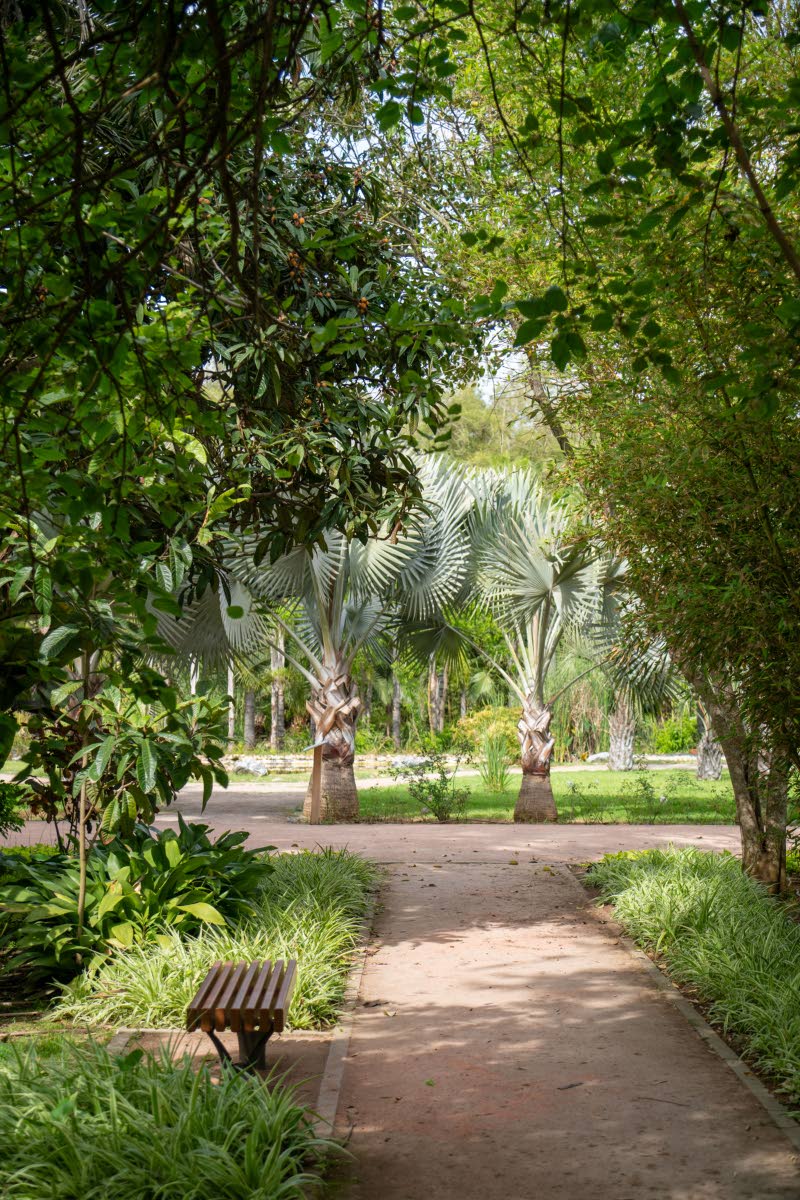
As a child, I have many happy Memories of visiting Hope Botanical Gardens. Those visits, and my mother’s love of plants, sparked a curiosity in me. School field trips were full of discovery, and they shaped how I see the value of nature in everyday life. These fostered my career as a landscape architect.
Minister Floyd recently announced that the Government plans to build a botanical garden in every parish.
This conversation centres around public gardens.
What is a botanical garden? The Kew Botanical Gardens in England defines such gardens as places open to the public in which the plants are labelled. Additionally, the Botanic Gardens Conservation International defines botanic gardens as having reasonable permanence; underlying scientific basis for collections; proper documentation of collections including wild origin; the monitoring of the plants; adequate labelling; open access to the public; communication of information to other gardens globally and the public; exchange of seeds or materials with other gardens and research institutions; undertaking of scientific or technical research on plants; research programmes supporting taxonomy in associated herbaria, which is the collection of dried, pressed, and preserved plant specimens and their associated data.
So what do we want for Jamaica? Is it an arboretum, a place dedicated to studying trees and shrubs, or a palmetum, a place dedicated to studying palms? That distinction matters because it affects budget, planning approach, staffing, and maintenance. It affects security, signage, education systems, and long-term viability. If we call something a botanical garden but build it as a park, we set ourselves up for disappointment and failure. If we name it accurately, we can still create something excellent, educational, and widely enjoyed.
A modern botanical garden demands significant investment and coordinated professional input. First, land is only the beginning. Next comes the need for qualified master plans developed by landscape architects (with supporting engineering, quantity surveying, and project-management expertise). These plans must identify plant collections (local and foreign), design infrastructure such as greenhouses, visitor facilities, research or education spaces, walkways and drainage systems, perimeter fencing, and access control and security planning.
Then there is the visitor experience: signage, parking, kiosks, offices for guest relations, bathrooms, benches, and aesthetic features such as ponds that showcase aquatic plants like lotus and water lilies and are stocked with decorative Koi fish.
A botanical garden also requires staffing and administration to maintain living collections and support documentation, monitoring, and ongoing plant sourcing. That includes horticultural expertise and staff capable of managing labels, databases, and educational programmes. Finally, security must be planned from the start. Plants and guests must be protected, signage can be vandalised, irrigation can be damaged, and visitor areas require safeguarding.
My best “guestimate” is that establishing botanical gardens to meaningful standards could cost between US$2 million and US$5 million per site, and likely more, depending on scope and site conditions. Civil and structural requirements, irrigation, drainage, access roads, and long-term operational readiness can raise costs substantially.
What exact model are we building in each parish and at what funding level? If the intention is a more modest initiative with botanical character, it would be recommended that the vernacular be changed to grand parks or parish parks.
Each park could reflect the parish identity and could be named after the parish itself or a dignitary with a meaningful relationship to nature and community development. We should make these parks educational and unmistakably Jamaican. Tree and plant signs can include the botanical name and description, the accepted common name, the Jamaican name, and the “why” (cultural, ecological, or practical relevance), and scientifically supported uses, including medicinal value where appropriate. We can also use modern audio guidance — headsets or phone-based tours — to support correct pronunciation and improve visitor understanding. Tourists will come for beauty, but they will return for knowledge and authenticity. Parish parks can become Jamaica’s outdoor classrooms.
We must also address delivery. Jamaica has struggled sometimes with maintaining landscaped public spaces. A collaborative action committee with landscape architects and other relevant professional disciplines would be ideal to ensure that the correct definition is used and that the master plan is led by qualified professionals
The landscape architects who practise in Jamaica support green, educational, public spaces across Jamaica. However, to succeed, we must plan with clarity, fund realistically, and deliver responsibly. We ask the Government to confirm what is intended in each parish — and whether it is a botanical garden or a grand parish park model — so Jamaica can build something that lasts and performs.
Mark Drew Martin is the owner of Gardenism, a design-build firm and a co-founder of APAC, an organisation representing landscape architects in Jamaica and the greater Caribbean. Send feedback to columns@gleanerjm.com.