Hugh Wong | Don’t wait – resuscitate: Why every Jamaican must learn CPR
Loading article...
-
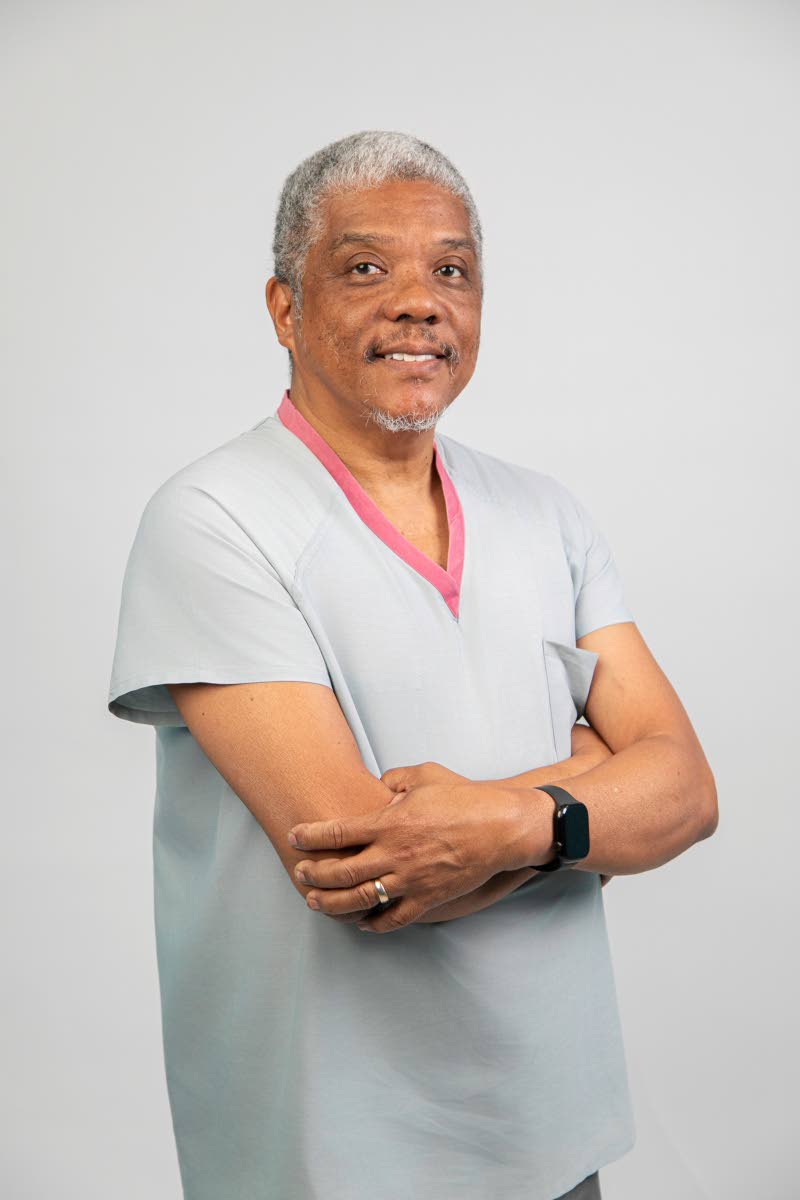
Hugh Wong Director of Emergency Cardiac Care (ECC), Heart Foundation of Jamaica.
-
We are taught from an early age how to wait. Waiting is a part of our day-to-day lives, whether it is sitting in traffic or standing in line to buy something. However, when it comes to cardiac arrest, we simply cannot wait to act.
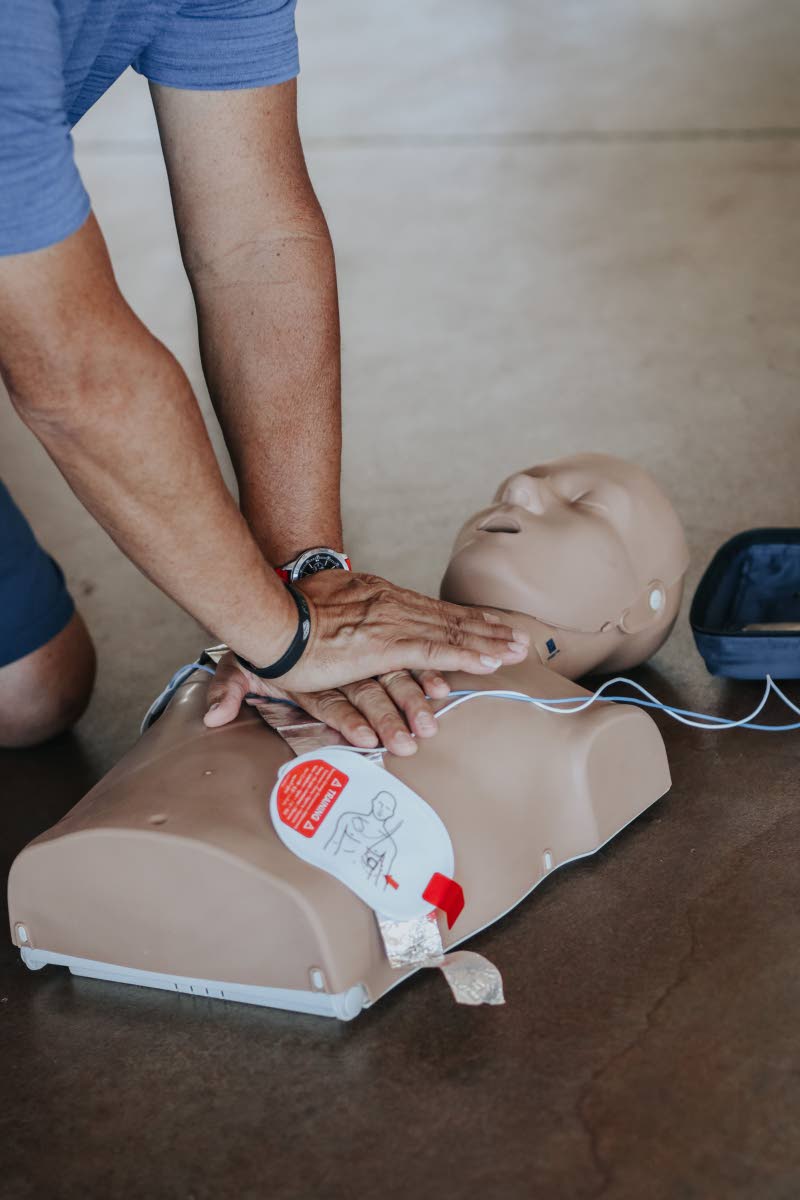
Cardiac arrest requires cardiopulmonary resuscitation (CPR) to increase a victim’s chances of survival. CPR does not require a medical degree; it requires a pair of willing hands and the courage to act decisively. As we mark CPR Week from August 17 to 22, 2026, the Heart Foundation of Jamaica (HFJ) continues its mission to promote heart health and is encouraging everyone to learn this life-saving skill.
When sudden cardiac arrest occurs, oxygenated blood ceases to circulate to vital organs. Within a mere four to six minutes, brain cells begin to die, leading to irreversible neurological impairment. For every minute that passes without bystander intervention, the probability of survival declines significantly. CPR acts as a vital bridge during these fragile moments. A patient’s survival does not depend solely on the speed of an ambulance or the arrival of a medical team. Rather, immediate assistance often comes from ordinary individuals standing nearby. Through public education campaigns on CPR, the HFJ aims to empower every person to save a life.
Health professionals, including emergency medical technicians, nurses and physicians, are trained to deliver advanced life support. However, if a community relies solely on professional medical responders, survival rates will remain low. Parents, teenagers, teachers and colleagues possess the physical ability to perform chest compressions.
By training the general public, we shift the responsibility for survival from the hospital ward directly to the community. Most cardiac emergencies occur outside medical facilities. These tragic events happen in the places where we spend most of our daily lives, including our homes, schools, workplaces and churches. Therefore, the person most likely to suffer a cardiac arrest in your presence will be someone you know and love.
With this in mind, learning how to recognise the signs of cardiac arrest and perform CPR can make the difference between life and death for a loved one. There is no greater sense of helplessness than watching someone you care about slip away because you do not know how to help. There is also no greater empowerment than having the training and confidence to step forward, place your hands on a person’s chest and actively preserve a life.
Occupational stress, underlying cardiovascular disease and sedentary habits elevate the risk of sudden cardiac events during the workday. A corporate environment equipped with certified CPR responders can save the lives of staff members, customers and visitors. Employers who invest in CPR training for their staff directly protect both their human resources and their corporate interests.
Similarly, our educational institutions should serve as incubators for a life-saving culture. Schools are places where children, young adults, educators and athletic coaches interact daily. Genetic cardiac anomalies, severe physical exertion during sports, or accidental choking can instantly cause a child’s heart to stop. When teachers, administrative staff and older students know how to recognise the warning signs and perform CPR, they can save lives and help protect our nation’s future. Ideally, CPR training would become mandatory in high schools, ensuring that successive generations enter adulthood with this essential skill and the confidence to act.
Our churches and places of worship also represent vital community centres. Congregations naturally attract diverse groups, including elderly citizens who face a higher risk of cardiovascular disease and heart attacks. Equipping church leaders, ushers and congregants with CPR training ensures that these sacred spaces are prepared to handle physical crises alongside spiritual needs.
The vision of the HFJ is to achieve a world-class standard of emergency cardiac care across the island. Achieving this goal requires a cultural shift in which resuscitation training becomes a standard rite of passage for every citizen. We envision a Jamaica where automated external defibrillators (AEDs) are standard fixtures in public buildings and where any bystander can confidently step forward to manage a cardiac emergency. This benchmark is entirely within our reach, but it demands both institutional support and individual commitment.
When a nation embraces widespread resuscitation training, it builds public confidence in responding to cardiac emergencies. The HFJ urges every individual, corporate leader, religious minister and school principal to take immediate action. Do not wait for a tragedy to expose a lack of preparedness. Contact the Heart Foundation of Jamaica during this commemorative week, enroll in a certified training course, and equip yourself or your organisation with the skills to intervene.
When cardiac arrest strikes, hesitation can be fatal. Don’t wait, resuscitate. Your hands hold the power to keep a heart beating and to keep a family whole.
Hugh Wong is director of emergency cardiac care (ECC), at the Heart Foundation of Jamaica.