Editorial | Conversation on the drought
Loading article...
-
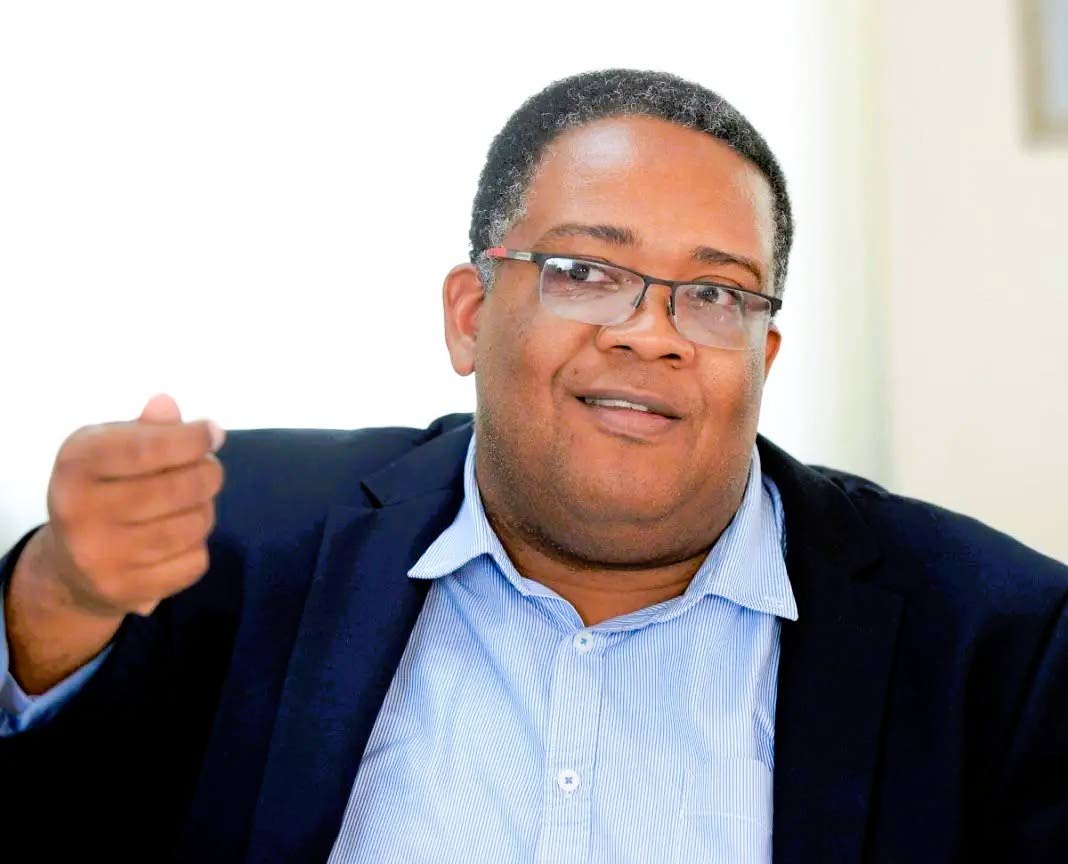 Professor Michael Taylor
-
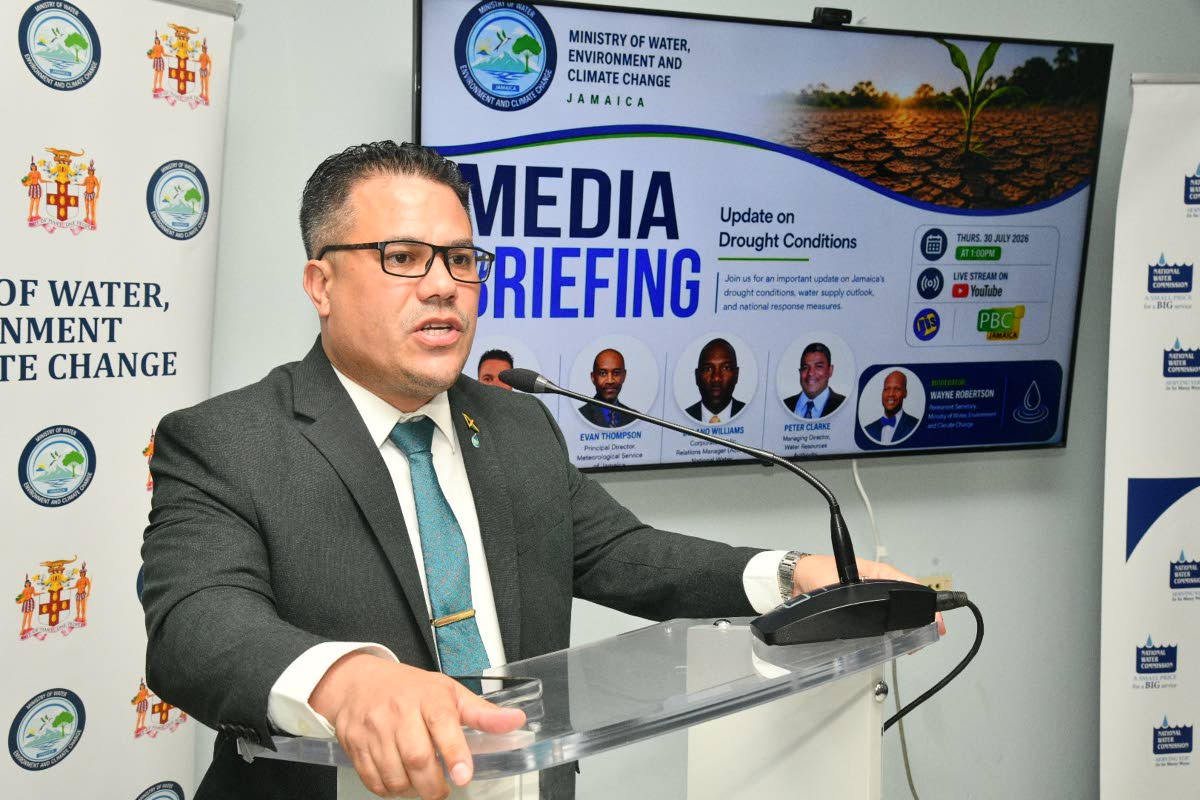 Samuda
-
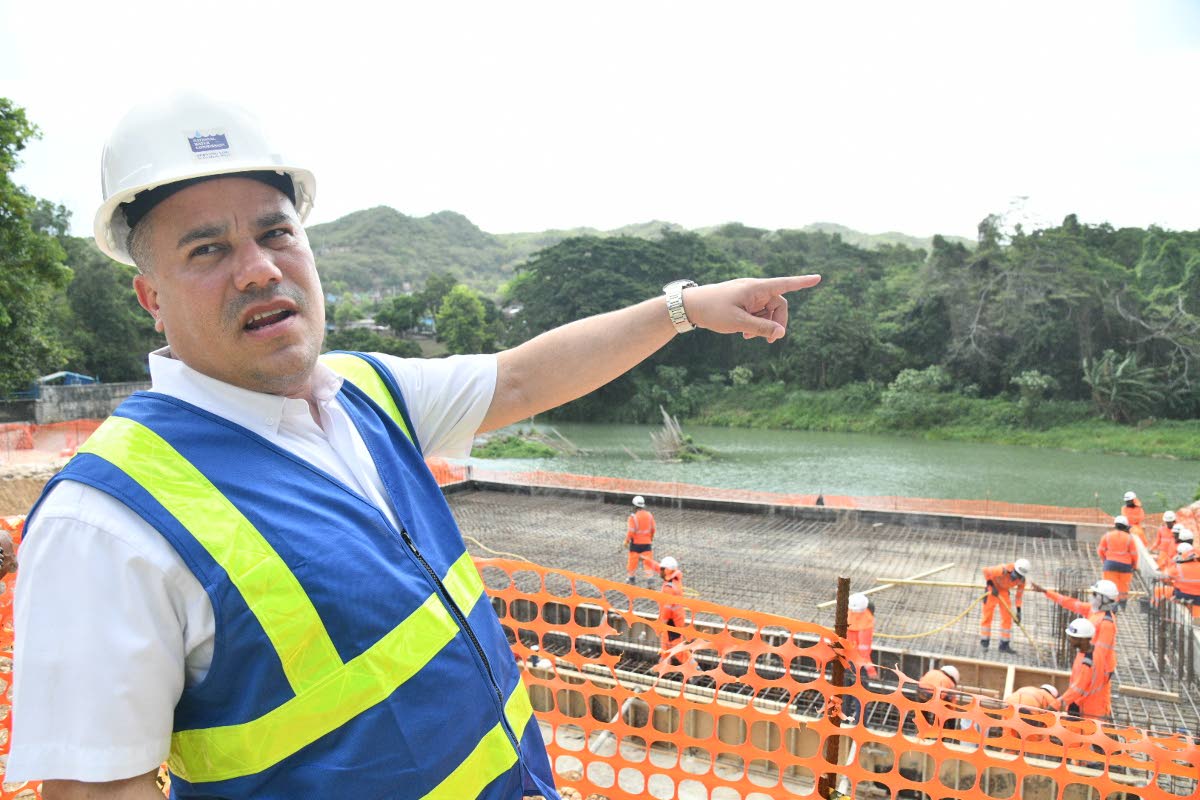 Samuda
As the aphorism goes, it’s better late than never.
So, while Jamaica’s policymakers may have fumbled the earlier opportunity, there are compelling reasons to still act on Professor Michael Taylor’s suggestion that Jamaica prepare for droughts and associated crises, similar to how it plans for hurricanes. The science is available to do so.
“We would never wait until hurricane-force winds begin blowing to decide we should prepare for a hurricane,” he wrote in this newspaper on Sunday. “Let us stop waiting until the taps run dry to prepare for drought.”
Professor Taylor is the dean of the Faculty of Science and Technology at The University of the West Indies, Mona. He is also co-director of the Climate Studies Group Mona.
His article in this newspaper on Sunday highlighted a less than aggressive, or holistic, response to signals from climate scientists in April that the coming three months were likely to be “unusually hot ... (and) unusually dry”.
“That combination matters,” Professor Taylor wrote. “Hotter conditions increase the demand for water, even as reduced rainfall diminishes the available supply.
“But my concern went further. May and June constitute an important part of our early rainfall season. If we do not get sufficient rain then, we enter the midsummer drought period without the usual replenishment of our water systems, and we risk beginning the late rainfall season (September to November) already carrying a serious rainfall and water deficit. In other words, what happens up to June helps determine how vulnerable we are in August and for the rest of the year.”
He added: “From April, we had some foreknowledge of where we might be today.”
The current situation, as the Caribbean Institute of Meteorology and Hydrology noted in a statement on Monday, is that the Caribbean is heading for a period of “severe climate extremes as El Niño is expected to further strengthen, intensifying the hot, dry conditions being experienced in many parts of the region”.
Moreover, these conditions, as Jamaica’s climate officials similarly warned recently, could continue into the first quarter of next year, “with accumulated water deficits and wildfires becoming a greater concern in the early months of 2027”.
REASONABLE RESPONSESs
In Jamaica, the state-owned National Water Commission has introduced full-blown water restrictions, with threats of prosecutions and fines against consumers who break the rules. Agricultural extension officials have also been advising farmers to adopt water-saving and crop-protection efforts.
These are reasonable responses to an existing and deepening problem. But, from Professor Taylor’s perspective, Jamaica would have been in a better position if policymakers had acted five months ago, engaging climate scientists about the forecasts and galvanising the public to appropriately respond to the emerging crisis
Or, as he framed it: “... Imagine if months ago we had begun a sustained national conversation that said: The months ahead are likely to be hotter and drier. Water may become increasingly scarce. We need your help now to stretch the little we have so everybody will have a little later.”
Indeed, this is an approach to national discourse that this newspaper often recommends on a range of policy issues, especially education – and recently on the question of squatting and land tenure. However, with respect to the drought, it is not too late for that conversation to begin, involving a range of stakeholders frankly debating appropriate interventions that will ultimately redound to the national good.
strategic decisions
The point is, until new water systems are in place to fix the shortages faced by consumers during periods of drought, the solutions to the immediate crises are not binary. Neither do they rest solely on what happens in households. Indeed, strategic decisions and actions have to be taken on how to best satisfy the demands/needs of various interests for a critical commodity that is in short supply.
For instance, with the academic year to begin in a week’s time, parents, teachers and other stakeholders have no clarity as yet about how schools might operate, given the water shortage. That is a conversation that should take place before children are in classrooms.
These questions are also relevant to businesses and at-risk institutions, such as healthcare facilities, where access to water is crucial. Indeed, the drought and the water shortage potentially pose a public health issue.
Perhaps policymakers have had these conversations internally among themselves. They may have already fashioned sophisticated, integrated plans to mitigate the crisis. And maybe, as the minister responsible for water, Matthew Samuda, has urged, Jamaicans need only trust that their government is on top of things
While not questioning Mr Samuda’s assertion, The Gleaner is with Professor Taylor about national conversations and applying the foreknowledge provided by scientists to inform the dialogue and to shape policy. And about engaging the public.