Michael Abrahams | The hidden toll of childhood sexual abuse
Loading article...
-
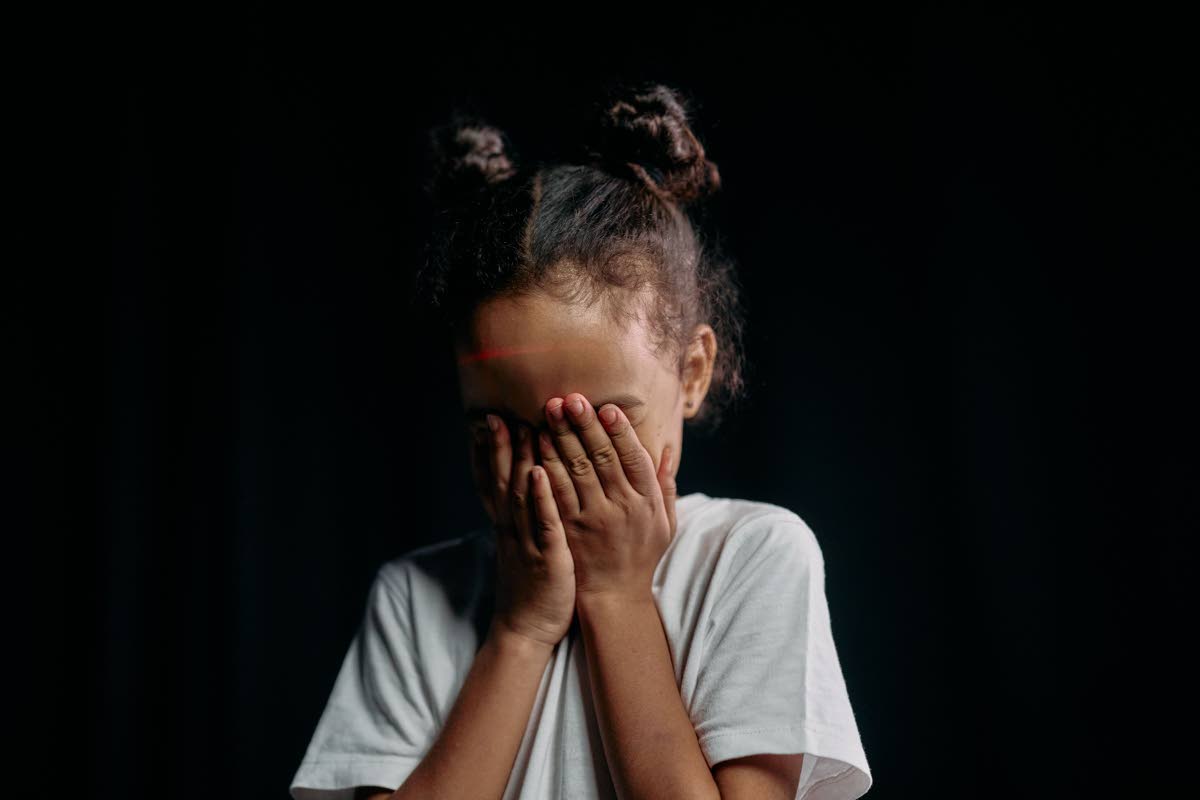 Representational image of a sad child. Photo - Pexels
-
Representational image of a sad child. Photo - Pexels
-
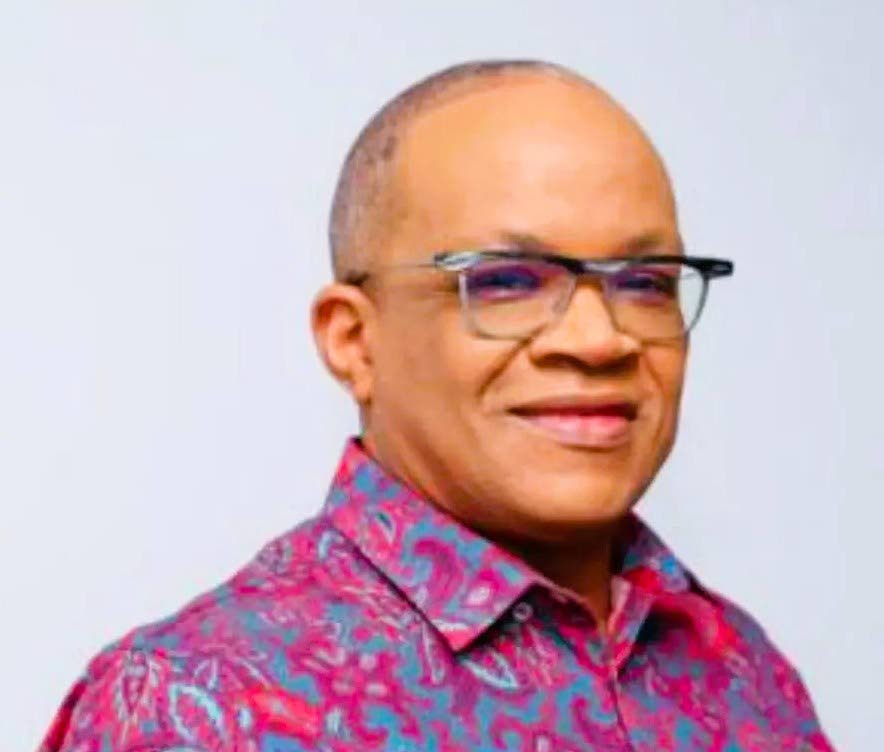 Michael Abrahams. Photo - Contributed
Last month, two news reports deeply disturbed me. The first was about the rape of a 10-year-old girl. The incident took place one morning when, after alighting from a taxi at the entrance to a housing scheme in Clarendon, a man approached the child and coaxed her into his car. He took her to a neighbouring community where he sexually assaulted her in bushes, then returned her to a highway and abandoned her near her school.
The second concerned a three-year-old girl in St Ann who had been sent to stay with her maternal grandmother, who also lives in the parish. During her stay, a man sexually assaulted her. When she returned home, she complained of physical discomfort, and her mother took her to St Ann’s Bay Regional Hospital, where a medical examination confirmed the abuse.
A 37-year-old taxi operator was subsequently charged with the rape and abduction of the 10-year-old schoolgirl, and a 53-year-old man, a cousin of the victim, was charged with buggery and indecent assault of the three-year-old. These incidents would horrify any normal human being, yet many do not appreciate the scope of the effects of this trauma, which often extend well into adulthood.
Childhood sexual abuse (CSA) is one of the most agonising and degrading violations a child can endure. In the immediate aftermath, victims frequently suffer severe mental and emotional effects, including memory loss, difficulty concentrating, nightmares and disrupted sleep. They may also develop eating disorders, display regressive and aggressive behaviours, and struggle with low self-esteem. These changes can lead to poor school attendance and performance, which in turn may later limit employment prospects and earning potential.
Survivors are two to three times more likely to develop multiple psychiatric disorders, including depression, anxiety, post-traumatic stress disorder (PTSD), bipolar affective disorder and borderline personality disorder. They are also more prone to self-harm and are four times more likely to be suicidal. In fact, of the three forms of childhood abuse (sexual, physical and emotional), CSA is the one most strongly linked to suicide. Survivors are also vulnerable to substance abuse and addiction, including alcoholism and chronic cigarette smoking.
As CSA survivors grow older, the trauma can manifest itself in behaviours that impair relationships with others, including family members, friends and schoolmates, and later with co-workers and intimate partners. Some become promiscuous, which can increase the likelihood of teenage pregnancies and abortions, and lead to stigma, especially for females, whom society judges far more harshly than males regarding their sexual conduct.
Survivors also face a heightened risk of contracting sexually transmitted infections (STIs), not only at the time of their assault, but also afterwards, owing to a greater propensity for reckless sexual behaviour that may persist into adulthood. Infections such as HIV and herpes simplex are lifelong and can cause physical and psychological distress. Others, like gonorrhoea and chlamydia, are curable but can cause infertility and other complications. Understandably, both outcomes can strain intimate relationships.
Unfortunately, CSA victims have a propensity to become involved in further incidents of sexual violence later in life. Not only are they at a significantly increased risk of re-victimisation (being sexually assaulted again), but they are also more likely than non-victims to become perpetrators of sexual violence against both adults and children.
Physical illness is also more prevalent among survivors through several mechanisms. For instance, substance abuse used to cope with trauma can damage the body. An example is cigarette smoking, which can cause disease in almost every organ and is associated with more than 20 major disease categories, each containing multiple disorders. Trauma also disrupts not only the developing brain but the immune and endocrine (hormonal) systems, giving rise to a host of physical complaints and diseases, including chronic pelvic pain, sexual dysfunction, obesity, hypertension, diabetes, some autoimmune diseases and even some cancers.
Female survivors are also more susceptible to gynaecological disorders, including endometriosis and polyendocrine metabolic ovarian syndrome (PMOS), formerly known as Stein-Leventhal syndrome, which can interfere with sexual activity because of pain and abnormal bleeding and may also impair fertility.
The psychological effects of CSA make survivors more likely to find themselves in dysfunctional intimate relationships. Personality and other psychiatric disorders, sexual dysfunction, chronic STIs and fertility impairment can present challenges in maintaining stable and fulfilling relationships. Intimate partner violence is also not uncommon in relationships involving survivors. Children born into these unions risk being traumatised themselves and carrying their own dysfunctions into adulthood, perpetuating a cycle that passes to the next generation.
According to the 2023 Jamaica Violence Against Children and Youth Survey (VACS), roughly one in four young Jamaican women and one in nine young Jamaican men reported experiencing sexual violence during childhood, and a 2025 global analysis estimated Jamaica’s overall prevalence of childhood sexual violence at approximately 18.3 per cent.
Health encompasses physical, mental and social well-being, and given the statistics and documented effects of CSA, such assaults clearly compromise all three, and with them our society. Prevention is therefore essential. We must have age-appropriate conversations with our children about their bodies, privacy, consent and boundaries, and encourage them to report any inappropriate contact from adults or older children, whether in person, online or by phone.
We must also be vigilant about who enters our children’s spaces, whose spaces our children enter, whose care we leave them in, and how those people interact with them. Perpetrators are often hiding in plain sight, as research on the topic has found that in approximately 90 per cent of cases they are known to the victim, and that family members are implicated in roughly one-third.
We must do all we can to protect our children and, by extension, our society.
Michael Abrahams is an obstetrician and gynaecologist, social commentator, and human-rights advocate. Send feedback to columns@gleanerjm.com and michabe_1999@hotmail.com, or follow him on X @mikeyabrahams.