Peta-Gay Ferguson | YOUth WILL, but will we? The mission of our generation
Loading article...
-
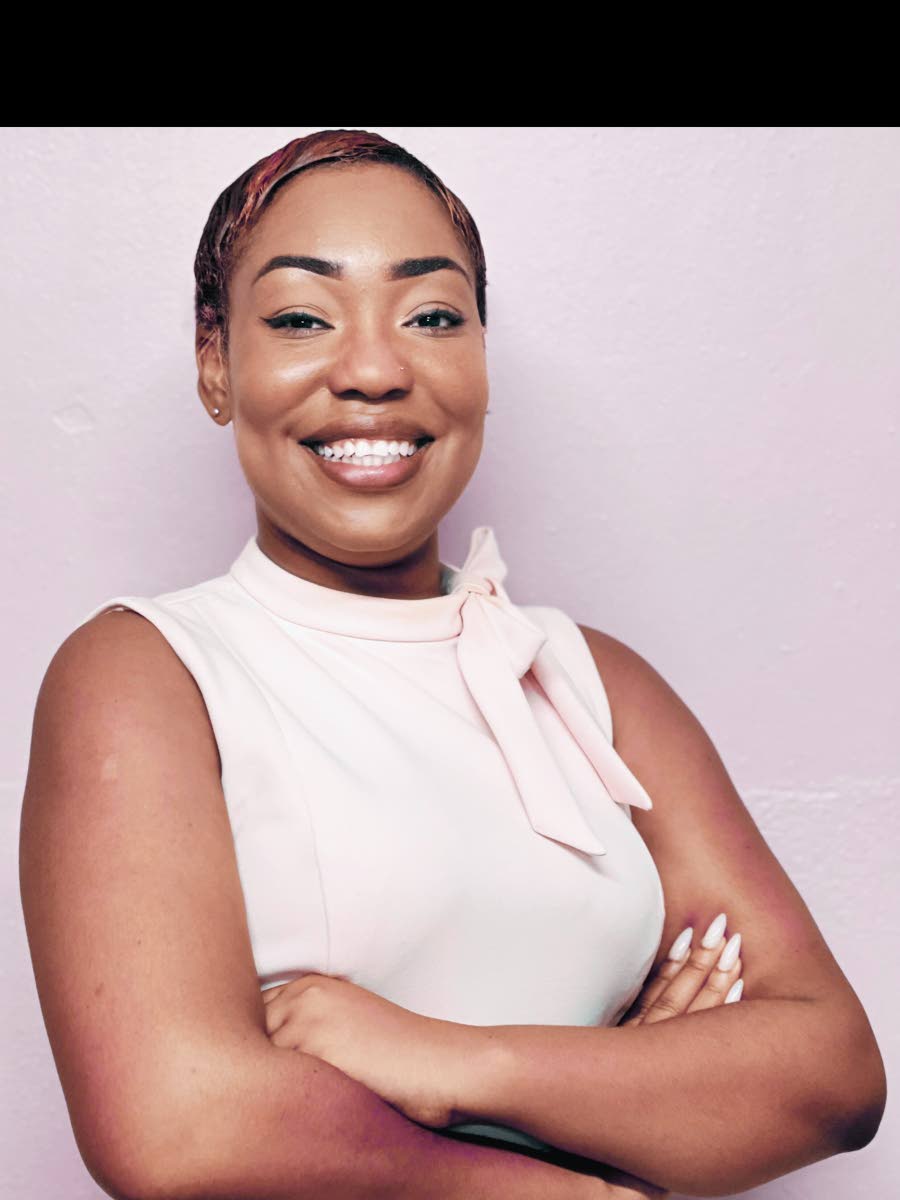 Peta-Gay Ferguson, general secretary of the PNP Youth Organisation. Photo - Contributed
-
Peta-Gay Ferguson, general secretary of the PNP Youth Organisation. Photo - Contributed
-
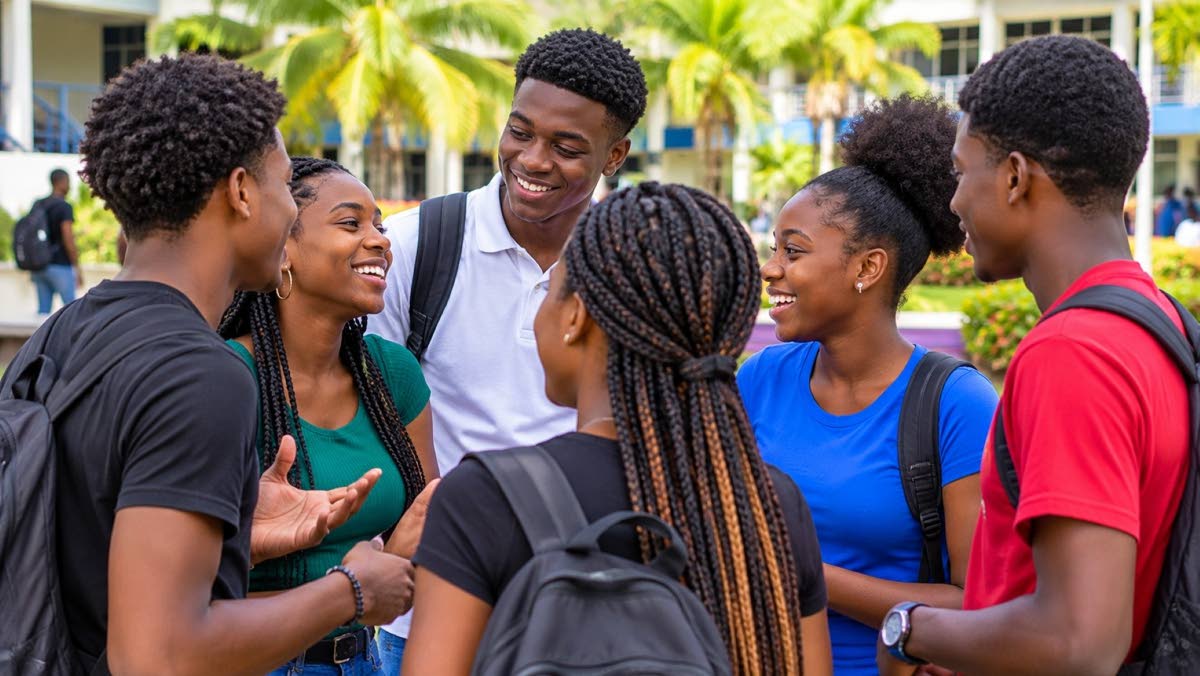 Across the world, young people are demonstrating that their voices can influence society. Photo - AI-Generated Image
Every generation inherits a world it did not create, but each must decide what it will do with the world it has been given. Some generations are remembered for their silence, others for their courage to challenge injustice and reshape society.
As National Youth Month 2026 is observed under the theme ‘YOUth WILL’, we face two questions: Will Jamaica create the conditions for its young people to succeed? And will this generation summon the courage to help build the society we deserve?
We cannot speak meaningfully about youth empowerment while ignoring the structural inequalities that determine whose dreams are attainable and whose remain distant aspirations. Consider the young men disproportionately represented among victims and perpetrators of violent crime, or those losing their lives in encounters with the security forces. Consider students leaving school without five CSEC subjects, including mathematics and English, limiting their prospects for further education and employment. Consider the graduate struggling to secure meaningful employment, or the young professional for whom home ownership increasingly resembles a privilege rather than an achievable milestone.
These realities require policies that address educational inequality, economic exclusion and community violence. A young person’s success should never be treated as an extraordinary triumph over circumstances that society had every responsibility to improve. We must build a Jamaica where success is not an anomaly for a child from an inner-city community, rural district or non-traditional high school, but an expectation supported by equitable opportunities.
uncomfortable truth
Yet, even as we demand accountability from leaders, we must confront an uncomfortable truth: the future we desire will not emerge simply because we demand it. We must become active participants in creating it. What, then, is the mission of this generation?
Perhaps the answer begins with remembering that many opportunities we now regard as ordinary were once beyond the reach of countless Jamaicans. Not so long ago, access to Jamaica’s traditional high schools was largely determined by class and economic privilege. Children from poor, predominantly black families faced formidable barriers to secondary education. The introduction of the Common Entrance Examination in 1957 under Norman Manley’s administration helped open doors previously closed to them. His son, Michael Manley, would further transform educational access through the introduction of free secondary education in 1973. Common Entrance would eventually give way to GSAT and, subsequently, PEP.
Consider, too, children once labelled ‘illegitimate’ or ‘bastards’ simply because their parents were unmarried. That distinction carried legal consequences, including disadvantages concerning inheritance. The Status of Children Act of 1976, enacted under Michael Manley’s administration, established the principle that children should enjoy equal legal status regardless of their parents’ marital circumstances. These reforms were not inevitable. They resulted from political decisions and people who believed that the Jamaica they inherited could become something better.
Rights we now take for granted were once demands that somebody had the courage to make.
Across the world, young people are demonstrating that their voices can influence society. From Serbia to France, Spain and Brazil, youth movements have mobilised around democratic accountability, economic justice and social change. Their circumstances differ, but their actions remind us that progress rarely emerges from passive observation. Jamaican youth must similarly move beyond being keyboard warriors, expressing outrage beneath headlines only to retreat into silence when participation is required.
Social media has democratised expression, but visibility is not necessarily influence. A thousand shares cannot substitute for sustained civic engagement. We must interrogate public policies, question how national resources are allocated, exercise the right to vote, participate in community organisations and, where necessary, organise peaceful protests against injustice. Political participation must become more than allegiance to personalities or parties. Democracy requires informed, organised citizens unwilling to surrender their responsibility between elections.
advance unfinished work
The struggle for a more equitable Jamaica cannot be won by any generation alone. We must draw upon the wisdom of those who came before us, while contributing the energy, creativity and courage of youth. Our responsibility is neither to romanticise their victories nor dismiss their shortcomings, but to advance the unfinished work of building a more equitable Jamaica.
That requires recognising that the struggles of the most vulnerable among us are our struggles, too. The employed professional cannot become indifferent to the unemployed graduate. The university student cannot ignore the child whose education has been compromised by poverty. Those who have escaped hardship must resist treating their success as proof that the system works equally for everyone.
The generation’s mission must be to make opportunity ordinary, not exceptional.
This Youth Month, let us redefine what it means to have the will. It is the conviction to create conditions in which others can succeed alongside us. We must demand political will from those entrusted with leadership, while demonstrating civic will through our actions. History will not judge this generation solely by the injustices we inherited, but by what we did when confronted with them. The future is being shaped by the decisions we make, the injustices we challenge, and the responsibilities we embrace today.
YOUth WILL. But will we organise, participate and act?
That is the question this generation must answer. And hopefully, when the struggles of our time have been overcome, we, too, can raise our voices and cry, “GLORY!”
Peta-Gay Ferguson is the general secretary of the PNP Youth Organisation. Send feedback to columns@gleanerjm.com and petafergi@gmail.com.