Sabrina Barnes | Beyond sisterhood: Hypocrisy, power, and politics
Loading article...
-
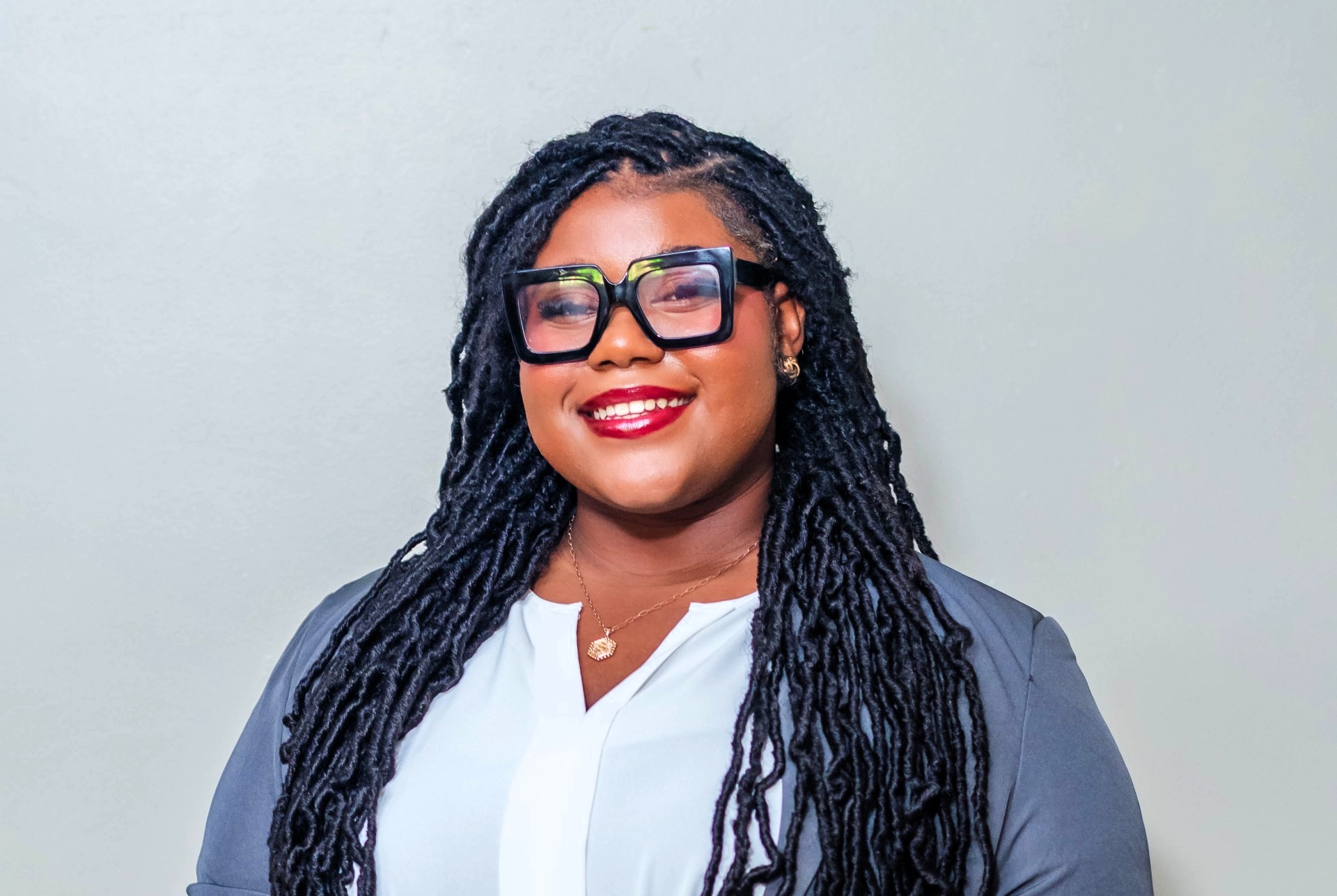
Sabrina Barnes
-
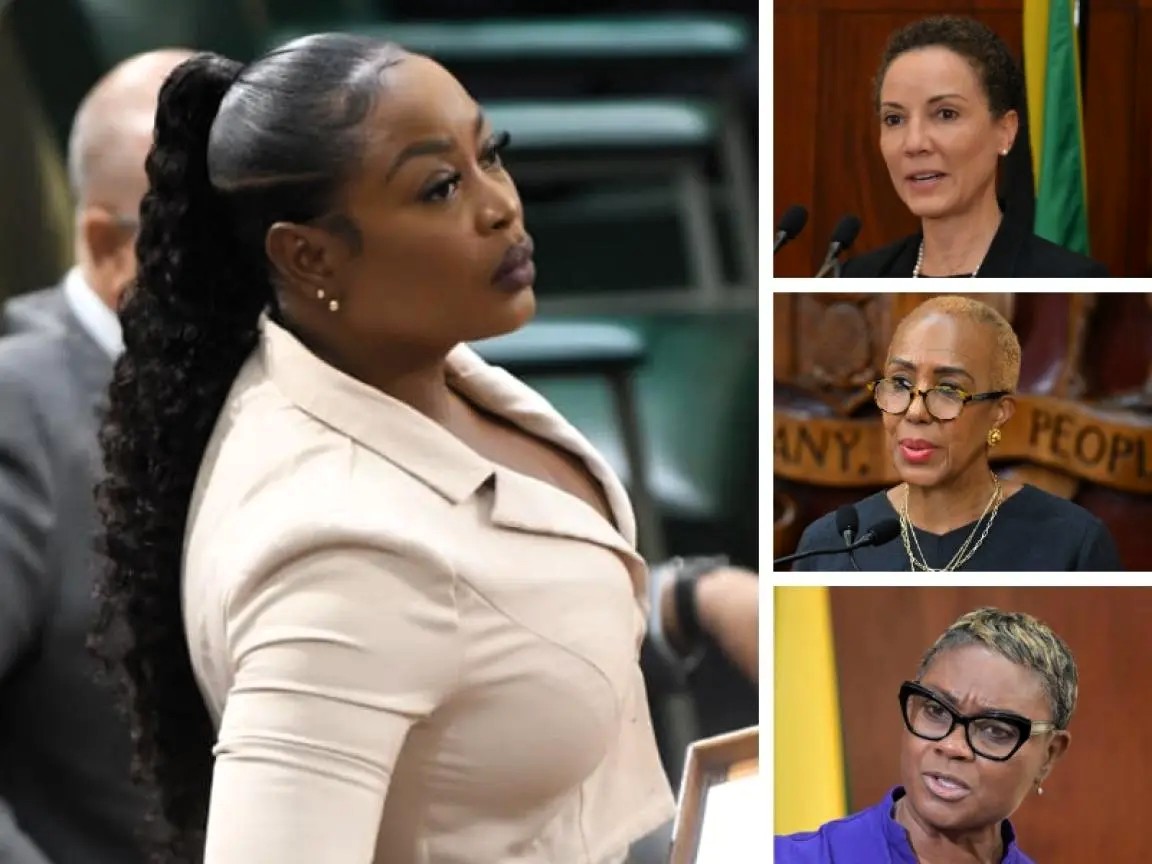
This combination photo shows (from left clockwise) – Nekeisha Burchell, Kamina Johnson Smith, Fayval Williams and Juliet Cuthbert-Flynn
The conversation about women in politics is often framed through a simplistic lens: women should support women at all costs. Yet reality is far more complicated. The same societies that criticise men for gatekeeping power often ignore the uncomfortable truth that women, too, can become participants in systems that exclude, silence or undermine other women. This is not a contradiction to feminism. It is evidence that gender solidarity alone is not enough to dismantle deeply rooted cultures of power, competition, and self-preservation.
For decades, women fought relentlessly for the right to vote, lead, work, and occupy spaces historically denied to them. Those struggles were not merely about placing women in positions of authority. They were fundamentally about justice, equality, and inclusivity. However, somewhere along the way, modern political discourse has sometimes reduced empowerment into symbolism. Representation became treated as victory in itself even when the politics practised by some women mirror the very exclusionary behaviors once criticised in male-dominated systems.
The hypocrisy emerges when society expresses outrage at women publicly opposing one another in politics as though womanhood alone should erase ideological differences, ethical concerns, or ambition. Women are human beings before they are political symbols. They are capable of empathy and collaboration but also rivalry, insecurity, and the pursuit of power. To pretend otherwise is intellectually dishonest. True equality means accepting that women, like men, possess the full spectrum of human behaviour both admirable and flawed.
More importantly, there is a dangerous tendency to weaponise “support women” rhetoric in ways that discourage accountability. Supporting women should never mean blindly endorsing every woman in leadership regardless of competence, ethics, or impact. Inclusivity cannot survive if it becomes detached from principle. A woman opposing another woman politically is not inherently anti-woman. Sometimes disagreement reflects ideological conviction. Other times, it reflects competition within systems that still offer limited opportunities for advancement.
At the same time, it would be equally dishonest to deny that some women actively participate in suppressing the growth of others. Across workplaces, political parties, and leadership spaces, there are examples of women who close doors behind them once they achieve influence. Some perpetuate toxic environments, dismiss younger voices, or see emerging women leaders as threats rather than successors. This behavior does not erase the historical oppression women faced, but it complicates the narrative that women are always natural allies to one another.
DEEPER ISSUE
The issue is not whether women fight against each other. Men have done so in politics for centuries without their gender being portrayed as collectively failing. The deeper issue is why society places impossible moral expectations on women in leadership while simultaneously operating within systems built around competition and scarcity. Women are expected to embody unity, grace, and collective upliftment at all times even in environments where survival often depends on political strategy and personal resilience.
The original purpose of women’s rights movements was never to create a world where women are exempt from criticism or conflict. It was to create a society where women could participate fully, freely, and equally including the freedom to disagree, compete, and even fail without their gender becoming the central indictment. Inclusivity should not mean protecting egos or enforcing performative solidarity. It should mean creating systems where all voices have space, opportunities are equitable, and leadership is grounded in integrity rather than identity alone.
What weakens the credibility of feminism is not disagreement among women but the growing expectation that criticism of women, especially women in leadership, should automatically be viewed as misogyny. True equality cannot exist if accountability is selective. Women fought for the right to occupy spaces of influence, decision-making, and power. Those spaces naturally come with scrutiny, competition, and public evaluation. To demand empowerment while rejecting criticism creates a contradiction that ultimately undermines the very principles of inclusion and equality.
DANGEROUS TREND
There is also a dangerous trend of reducing every conflict involving women to gender politics even when the issue may simply be incompetence, poor leadership, dishonesty, or conflicting ideas. Not every disagreement between women is rooted in misogyny, and not every critique of a woman is an attack on womanhood itself. Such narratives can become intellectually dishonest and emotionally manipulative, silencing important conversations that are necessary for growth and accountability.
Feminism was never meant to create immunity from consequences or elevate women beyond reproach. Its purpose was to dismantle systems that denied women humanity, opportunity, autonomy, and equal treatment. Equality means being respected enough to be challenged, debated, and held to the same standards as everyone else. Inclusion without accountability becomes tokenism, and solidarity without honesty becomes performative.
A truly progressive society should encourage women to support each other while still allowing room for disagreement, correction, and healthy competition. Empowerment should not depend on blind loyalty or forced unity but on competence, character, and substance. If feminism loses sight of this balance, it risks becoming less about equality and more about preserving image, feelings, and selective protection. That not only weakens the movement but also diminishes the strength, resilience, and individuality of women themselves.
Ultimately, empowerment loses its meaning when it becomes selective. If women advocate for equality only when it benefits those within their circle, ideology, or class, then the movement risks reproducing the same exclusion it once resisted. The goal was never merely for women to occupy seats at the table. It was to transform the table itself into one that values fairness, accountability, and collective progress.
Sabrina Barnes is a youth advocate, political enthusiast and university student leader. She is currently pursuing a bachelor of laws degree at the University of the West Indies, Mona .